
Understanding High-Protein Diets: Benefits, Risks, and What the Research Says
High-protein diets have become increasingly popular, especially among those looking to build muscle, lose weight, or improve overall health. But what do we really know about the benefits and risks? Is eating a lot of protein always good, or can it cause problems? In this article, we’ll explore the science behind high-protein diets and offer practical, sustainable advice for including protein in your daily meals.
What is a High-Protein Diet?
A high-protein diet typically means consuming more protein than the average recommended intake. For most adults, the general guideline is about 0.75 grams of protein per kilogram of body weight per day. High-protein diets usually involve eating around 1.2 to 2.0 grams per kilogram, depending on activity levels, goals, and individual needs.
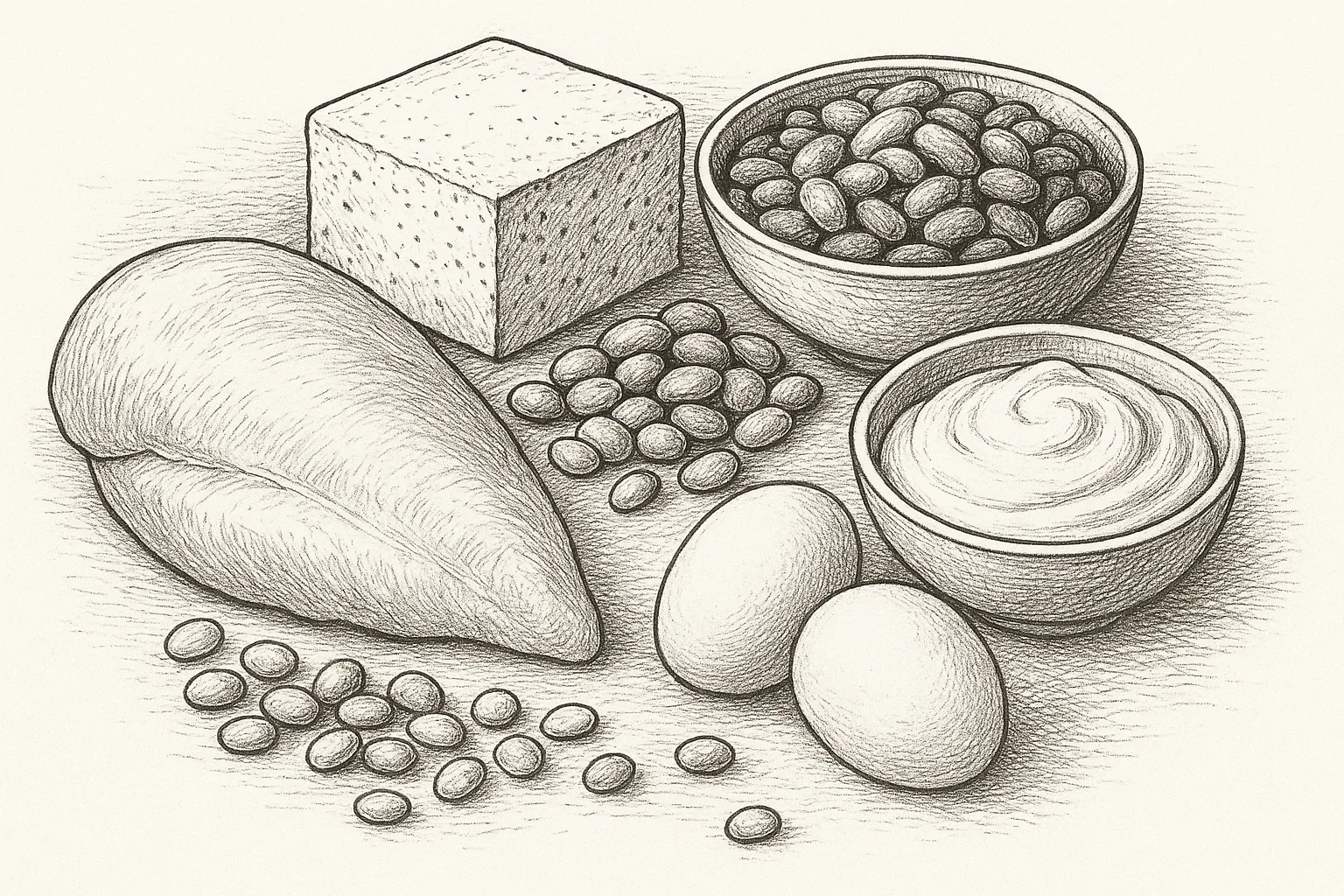
Protein can come from many sources including animal-based options like meat, fish, dairy, and eggs, as well as plant-based sources such as beans, lentils, tofu, nuts, and seeds.
Benefits of a High-Protein Diet
- Muscle Growth and Repair: Protein is essential for repairing and building muscle tissue, especially important if you exercise regularly or are trying to gain muscle mass.
- Weight Management: Protein tends to be more filling than fats or carbohydrates, which can help reduce hunger and support weight loss or maintenance.
- Metabolism Boost: The body uses more energy to digest protein than other macronutrients, potentially increasing calorie burn slightly.
- Bone Health: Contrary to old beliefs, adequate protein intake supports bone strength and may reduce risk of osteoporosis.
Potential Risks and Considerations
While high-protein diets have benefits, there are some considerations to keep in mind to maintain balance and avoid potential issues.
- Kidney Health: Healthy individuals typically handle increased protein without problems. However, those with kidney conditions should consult a healthcare professional before increasing protein intake.
- Digestive Issues: Some people may experience constipation or digestive discomfort if their diet is high in protein but low in fibre. Balancing protein with plenty of vegetables and whole grains helps.
- Balanced Nutrition: Focusing too much on protein at the expense of other nutrients like fruits, vegetables, and whole grains can reduce overall diet quality.
Comparing Common Protein Sources
Choosing where your protein comes from is important for nutrition, environmental impact, and personal preference. Here’s a quick comparison of common sources:
- Whey Protein: Derived from milk, whey is quickly absorbed and contains all essential amino acids. It’s popular for muscle recovery.
- Casein Protein: Also from milk, casein digests more slowly, providing a steady release of amino acids. Often used before sleep.
- Soy Protein: A complete plant-based protein that is a good option for vegetarians and vegans, with benefits for heart health.
- Pea Protein: A popular plant protein that is easy to digest and hypoallergenic, though it lacks some essential amino acids, so best combined with other sources.
Practical Tips for a Sustainable High-Protein Diet
- Include Protein in Every Meal: Aim to add a source of protein to breakfast, lunch, and dinner to support satiety and muscle maintenance.
- Mix Protein Sources: Combine animal and plant proteins to get a wider range of nutrients and amino acids.
- Balance with Fibre: Eat plenty of vegetables, fruits, and whole grains alongside protein to aid digestion and overall health.
- Watch Portion Sizes: You don’t need to overeat protein—moderate portions based on your activity and goals are enough.
- Stay Hydrated: Drinking enough water supports kidney function and helps with protein metabolism.
- Listen to Your Body: Notice how you feel with different protein amounts and sources, and adjust accordingly.
Common Myths About High-Protein Diets
- Myth 1: High protein damages your kidneys. For healthy people, research shows no harm from moderate increases in protein intake.
- Myth 2: You need protein supplements to get enough protein. Most people can meet their protein needs through whole foods without supplements.
- Myth 3: High-protein diets are bad for bones. Studies suggest adequate protein actually supports bone health.
- Myth 4: All proteins are the same. Different protein sources offer different benefits; variety matters.
What Does the Research Say?
Scientific studies generally support the benefits of higher protein intake for muscle maintenance, weight management, and metabolic health, especially in active adults and older populations. However, most research emphasises moderation and balance rather than extreme protein consumption.
Long-term studies indicate that a well-rounded diet with sufficient protein, alongside fruits, vegetables, and whole grains, supports overall health and reduces risk factors for chronic disease.
Conclusion
High-protein diets can offer many benefits, particularly for muscle health and weight management, but they work best when balanced with other nutrients. Choosing a variety of protein sources—including whey, casein, soy, and pea proteins—can help you meet your needs sustainably and enjoyably. Remember to pair protein with plenty of fibre-rich foods and stay hydrated to support digestion and overall wellbeing. As with any dietary approach, listening to your body and making gradual changes will help you find what works best for you.
This article provides general educational information only and is not a substitute for professional medical advice. Always consult a qualified healthcare professional for personal guidance.