
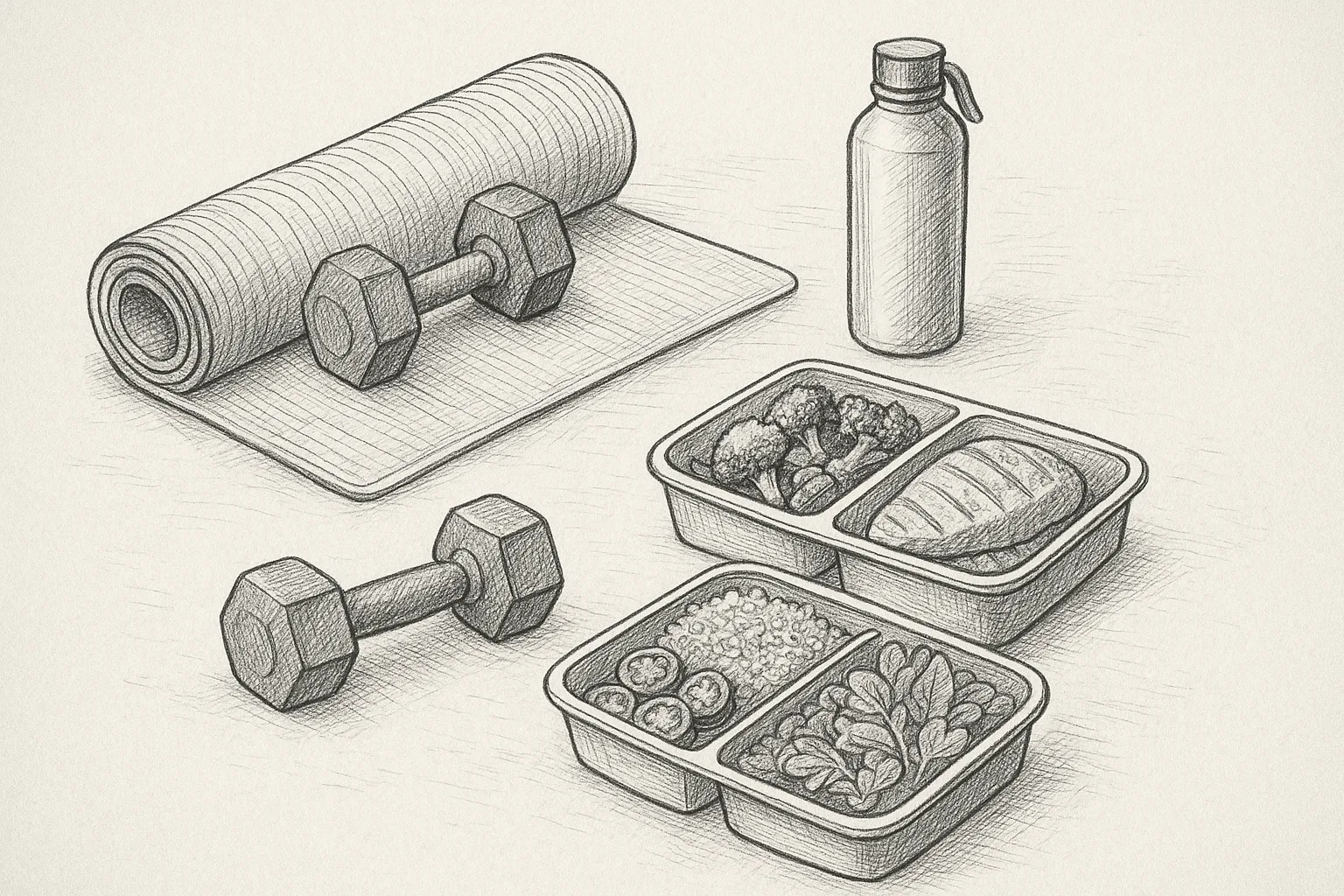
Fitness Habits That Support Long-Term Consistency
Starting a fitness routine is exciting, but keeping it up over months and years can be tough. The key to long-term success is building sustainable habits that fit your lifestyle and keep you motivated. Instead of quick fixes or extreme workouts, focusing on consistent, manageable actions will help you stay active and enjoy the benefits of fitness for life.
Why Consistency Matters More Than Intensity
When it comes to fitness, doing a little regularly often beats doing a lot occasionally. Consistency helps your body adapt, improves your skills, and reduces the risk of injury. It also builds a positive routine, making exercise a natural part of your day rather than a chore.
Research shows that people who maintain steady, moderate exercise habits are more likely to enjoy better health and wellbeing over time compared to those who do intense bursts and then stop.
Practical Fitness Habits for Long-Term Success
Here are some sustainable habits to help you stay consistent with your fitness journey:
- Set Realistic Goals: Start with achievable goals that match your current fitness and schedule. Instead of aiming for a marathon right away, focus on walking 15 minutes daily or doing two strength sessions a week.
- Create a Routine: Choose specific times for your workouts and treat them like important appointments. Consistency builds when exercise becomes part of your daily rhythm.
- Mix It Up: Variety keeps things interesting and helps work different muscle groups. Try combining walking, cycling, yoga, and strength training to avoid boredom and plateaus.
- Listen to Your Body: Rest and recovery are part of fitness. If you’re tired or sore, opt for gentle movement or a rest day instead of pushing through pain.
- Track Your Progress: Keep a simple log of your workouts or use an app. Seeing your improvements, however small, is motivating and encourages you to keep going.
- Find Support: Join a class, group, or find a workout buddy. Social connections make exercise more enjoyable and can hold you accountable.
- Celebrate Small Wins: Acknowledge every step forward, whether it’s adding a few extra minutes or mastering a new move. Positive reinforcement fuels motivation.
Step-by-Step Tips to Build Consistent Fitness Habits
- Start Small: Choose one simple activity you enjoy, such as brisk walking or stretching, and commit to doing it 3 times a week for 10 minutes.
- Schedule It: Put your workouts in your calendar at times you are most likely to stick to.
- Prepare Ahead: Lay out your workout clothes and equipment the night before to reduce barriers.
- Use Reminders: Set alarms or notes to remind you of your planned activity.
- Adjust Gradually: Once your initial habit feels easy, slowly increase duration or intensity by about 10% each week.
- Reflect Weekly: Take a moment each week to review what went well and where you struggled, adjusting plans as needed.
- Reward Yourself: Treat yourself to something enjoyable unrelated to food, like a new book or a relaxing bath, when you hit milestones.
Common Myths About Fitness Consistency
- Myth: You Need to Exercise Every Day to See Results. Reality: Rest days are essential for recovery and progress. Quality matters more than frequency.
- Myth: Only Intense Workouts Count. Reality: Moderate activities like walking or gentle yoga contribute significantly to health and habit formation.
- Myth: If You Miss a Day, You’ve Failed. Reality: Life happens. Missing a session is normal. What matters is getting back on track without guilt.
- Myth: You Must Love Exercise to Be Consistent. Reality: Enjoyment helps, but discipline and routine also build consistency over time.
Incorporating Fitness Into Your Lifestyle
Long-term consistency grows when fitness fits naturally into your life instead of feeling like a burden. Consider these approaches:
- Active Commuting: Walk or cycle part of your journey to work or the shops.
- Movement Breaks: Take short activity breaks during work or TV time, such as stretching or marching on the spot.
- Family and Friends: Engage in active outings like hikes, bike rides, or dancing together.
- Home Workouts: Use online videos or simple equipment to exercise at home when time or weather is a barrier.
Staying Motivated Over Time
Motivation can ebb and flow, so it helps to have strategies ready:
- Focus on How Exercise Makes You Feel: Notice improvements in mood, sleep, or energy rather than just appearance.
- Change Your Environment: Refresh your workout space or try new routes to keep things exciting.
- Set New Challenges: Once a habit is established, setting a new goal can renew your drive.
- Be Kind to Yourself: Accept that progress isn’t always linear and celebrate effort, not perfection.
Conclusion
Building fitness habits that support long-term consistency is about making exercise a natural, enjoyable part of your life. By starting small, setting realistic goals, mixing activities, and listening to your body, you can create a sustainable routine. Remember, it’s okay to adapt your plans and rest when needed. Consistency doesn’t mean perfection; it means showing up regularly and valuing progress over time. With patience and kindness towards yourself, fitness can become a lifelong companion to your health and happiness.
This article provides general educational information only and is not a substitute for professional medical advice. Always consult a qualified healthcare professional for personal guidance.