
Series: Finance for Kids
Phase 6: Smart Spending & Shopping — Part 69 of 166
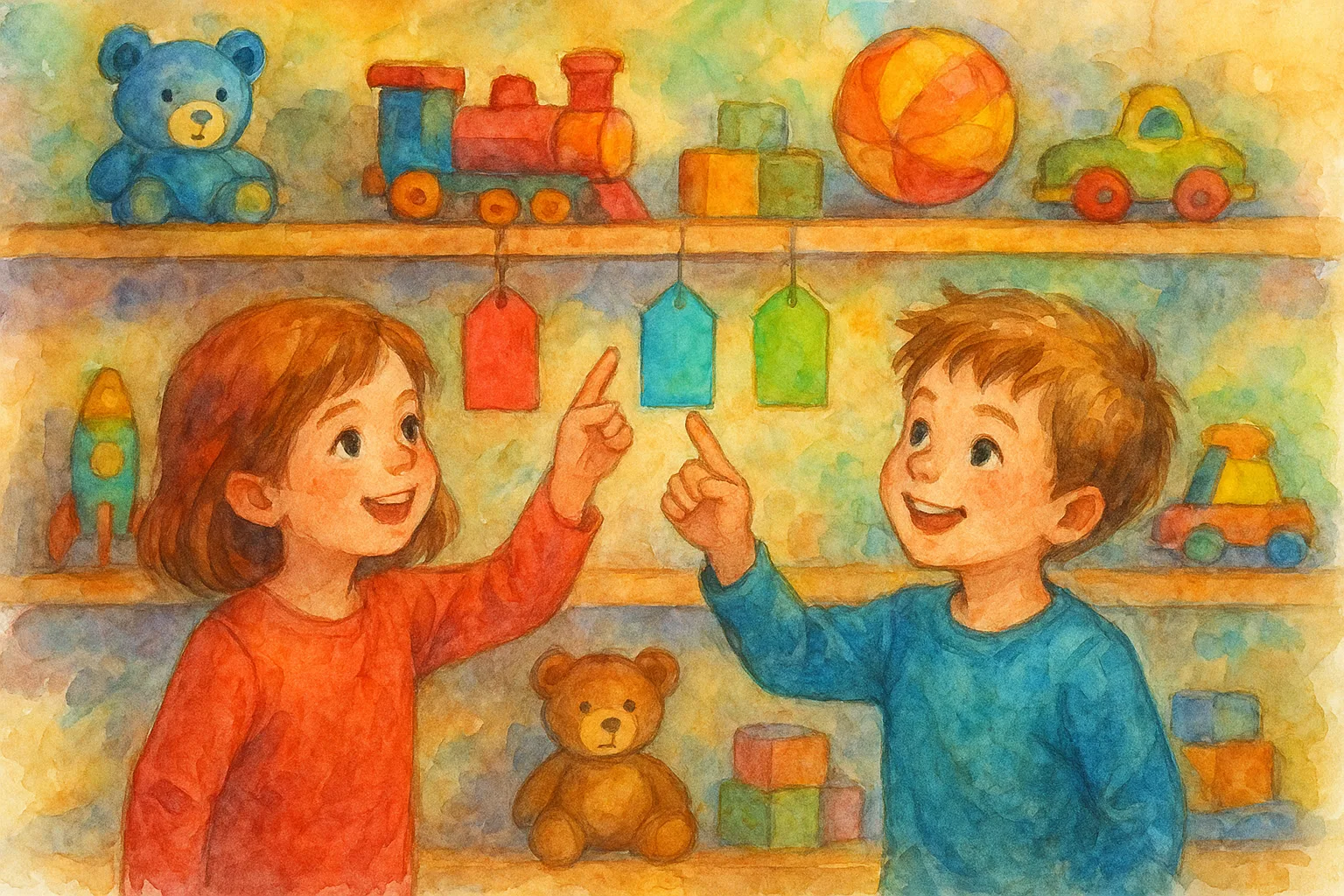
Understanding Price Tags: A Fun Introduction for Kids
As children grow, understanding money becomes an important skill. One of the first steps in this journey is learning how to read and understand price tags. Price tags are everywhere—from toys to food—and they can teach kids valuable lessons about spending and saving. In this article, we will explore how to make learning about price tags fun and engaging for children, along with some practical tips and common myths.
Why Price Tags Matter
Price tags tell us how much things cost. Understanding them helps kids make informed choices when they shop. Here are a few reasons why it’s important for children to learn about price tags:
- Budgeting Skills: Knowing how to read price tags helps kids understand budgeting. They can learn to compare prices and find what fits within a certain amount.
- Value Recognition: Kids can learn to appreciate the value of their money by comparing the price of similar items.
- Decision Making: Learning to read price tags empowers children to make choices about what they want to buy.
Step-by-Step Tips for Teaching Kids About Price Tags
1. Start with the Basics
Begin by showing your children what a price tag looks like. Explain that it usually shows the cost of the item, sometimes with special offers or discounts. Use everyday items around the house or at the supermarket to practice.
2. Go on a Price Tag Treasure Hunt
Make learning fun by going on a treasure hunt in your local shop. Give your child a list of items and ask them to find the price tags. Encourage them to read the prices aloud and discuss what they mean.
3. Compare Prices
Once your child understands how to read price tags, introduce the idea of comparing prices. Take two similar items and ask your child which one is cheaper and why they think it’s a good choice. This can lead to discussions about quality versus price.
4. Discuss Discounts and Sales
Help your child understand discounts by showing them how to read sale tags. Explain terms like ‘50% off’ or ‘buy one get one free.’ You can even create a little game where they calculate how much a discount saves them.
5. Use Real Money
Give your child a small amount of real or play money to spend. This makes the experience tangible. Let them choose items they want to buy and ask them to read the price tags before making their selection. This practical experience reinforces what they’ve learned.
Myths About Price Tags
Myth 1: Only Adults Need to Know About Prices
Some parents think that understanding prices is only important for adults. In reality, kids can start learning about money at a young age. The earlier they learn, the better they will be at making smart choices in the future.
Myth 2: Price Tags Are Just Numbers
Many people believe price tags are just numbers. However, they tell a story about value, quality, and even the brand of an item. Teaching kids to see beyond the numbers helps them make better decisions.
Myth 3: Kids Can’t Understand Discounts
Some parents may think that kids won’t grasp the concept of discounts. But with simple explanations and examples, children can learn to understand and appreciate savings early on.
Make It a Regular Activity
Incorporate price tag reading into your daily life. Whether it’s grocery shopping, shopping for clothes, or even online shopping, make it a habit to discuss prices. Regular practice will reinforce their understanding and confidence.
Conclusion
Teaching kids to read and understand price tags is a fun and engaging way to introduce them to the world of money. By using simple activities and real-life examples, you can help them develop valuable skills that will last a lifetime. Remember that making learning enjoyable is key, so keep it light-hearted and interactive!
This article provides general educational information only and is not financial advice. Always seek guidance from a qualified professional for personal financial decisions.
Previous: Teaching Kids Why Some Things Cost More Than Others
Next: How to Explain Unit Price to Children