
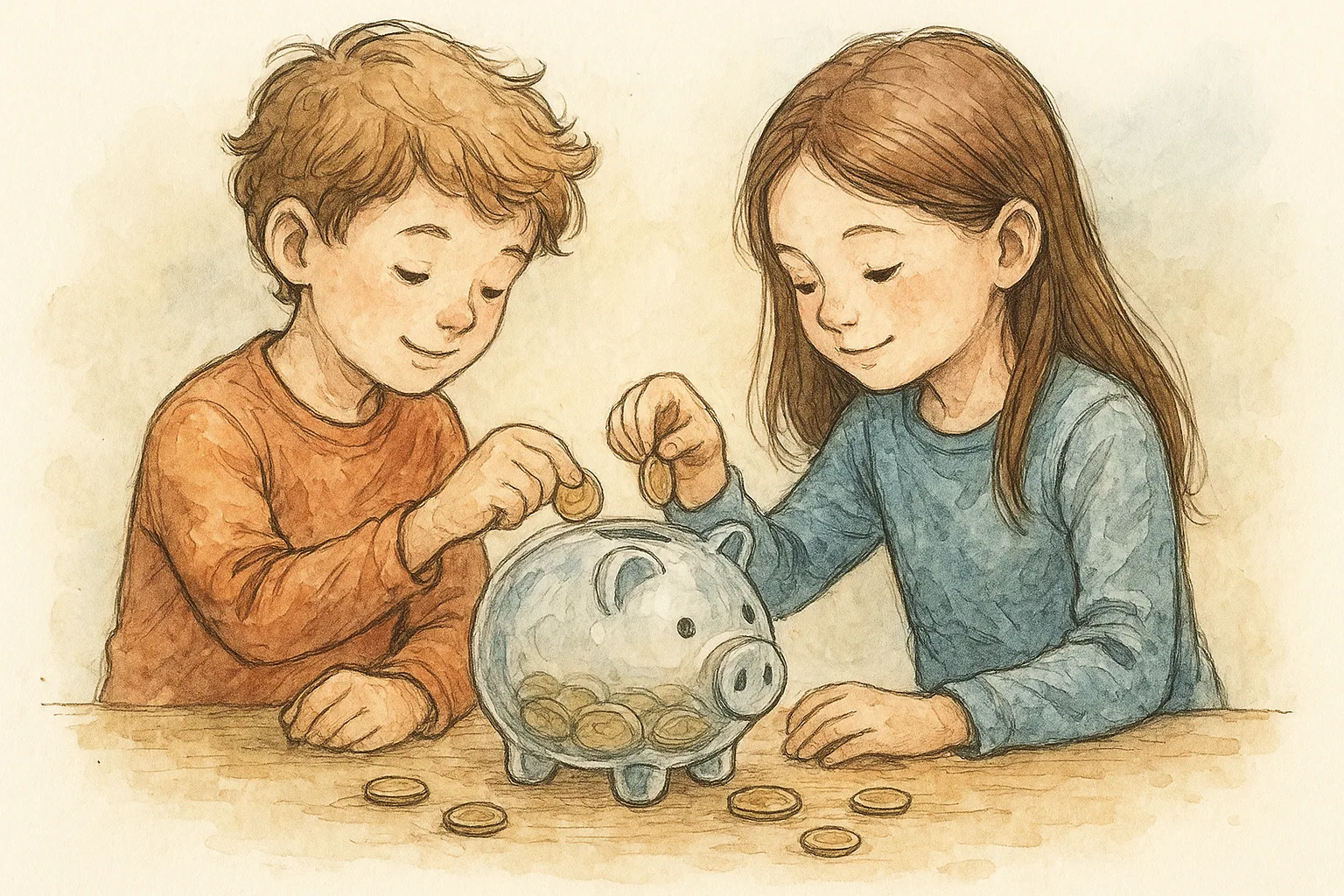
Teaching children how to save part of their pocket money is a wonderful way to help them develop good money habits early on. Saving is a simple idea but it can be very powerful. When kids learn to save, they understand the value of money and how to plan for the things they want. This article offers warm, easy-to-follow steps for parents and educators to guide children in saving their pocket money.
Why Teaching Saving Is Important
Saving teaches children patience and goal-setting. It shows them that money isn’t just for spending right away but can be kept aside for something special or important later. When kids save, they learn to make choices and think about what matters most to them.
Starting saving habits young helps build confidence and responsibility. These lessons stay with children as they grow up and face more complex money decisions.
Simple Steps to Help Kids Save Their Pocket Money
Here are some easy and practical tips to encourage children to save part of their pocket money:
- Talk About Saving: Start with a chat about what saving means and why it is useful. Use simple examples like saving for a toy or a book they want.
- Set a Saving Goal: Help the child choose something they would like to save for. It could be a small item or something bigger. Having a goal makes saving exciting and rewarding.
- Decide How Much to Save: Suggest saving a small part of their pocket money, like 10% or 20%. Explain that even a little saved regularly adds up over time.
- Provide a Savings Container: Give them a jar, piggy bank, or envelope where they can keep their savings separate from money they will spend.
- Keep Saving Visible: Encourage children to see their savings grow. This can be done by counting the money together regularly or watching the jar fill up.
- Celebrate Saving Success: Praise efforts and milestones. Celebrate when they reach their goal or save for a few weeks. Positive encouragement helps build good habits.
- Be a Role Model: Show your own saving habits. Children learn a lot by watching adults, so talk about how you save and why it matters.
Practical Examples to Make Saving Fun
Learning is easier when it’s enjoyable. Here are some fun ways to help kids practice saving:
- Save for a Treat: If your child wants a special treat, like ice cream or a toy, help them save small amounts until they can buy it themselves.
- Use a Saving Chart: Create a colourful chart with savings goals and stickers or stars for each saving milestone reached.
- Play Saving Games: Pretend to be shopkeepers or bankers and use play money to practise saving and spending decisions.
- Match Their Savings: Consider matching a small amount of their savings as a reward. This shows that saving pays off and encourages them to continue.
- Visit a Bank or Credit Union: If possible, take children to see how banks work, emphasising the idea of keeping money safe and growing it through saving.
Common Myths About Teaching Kids to Save
Sometimes adults worry about teaching children to save. Here are some common myths and the truth behind them:
- Myth: Kids won’t understand saving. Truth: Children can understand simple ideas about saving when explained clearly and with examples.
- Myth: Saving is boring for kids. Truth: Saving can be fun if it’s linked to goals, games, and rewards.
- Myth: Children won’t save if they can spend their pocket money. Truth: With guidance and encouragement, many children choose to save part of their money.
- Myth: It’s too early to teach saving to young children. Truth: Even young children can start saving in small ways, building habits that grow over time.
“A penny saved is a penny earned.”
Benjamin Franklin
Encouraging Long-Term Money Habits
Saving pocket money is just the start. As children grow, these early lessons help them understand bigger money concepts like budgeting, giving, and planning for the future. Keep conversations about money open and simple to build confidence and curiosity.
Remember, patience and consistency are key. Every small step towards saving is a step towards a brighter financial future for your child.
This article provides general educational information only and is not financial advice. Always seek guidance from a qualified professional for personal financial decisions.
By encouraging children to save part of their pocket money with warmth and patience, you give them a valuable gift. Saving teaches them to think ahead, make thoughtful choices, and feel proud of their achievements. Start small, keep it fun, and watch their confidence in money grow!
Happy saving!
Previous: Introducing Allowances: How to Use Them for Learning
Next: Fun Saving Challenges for Children