
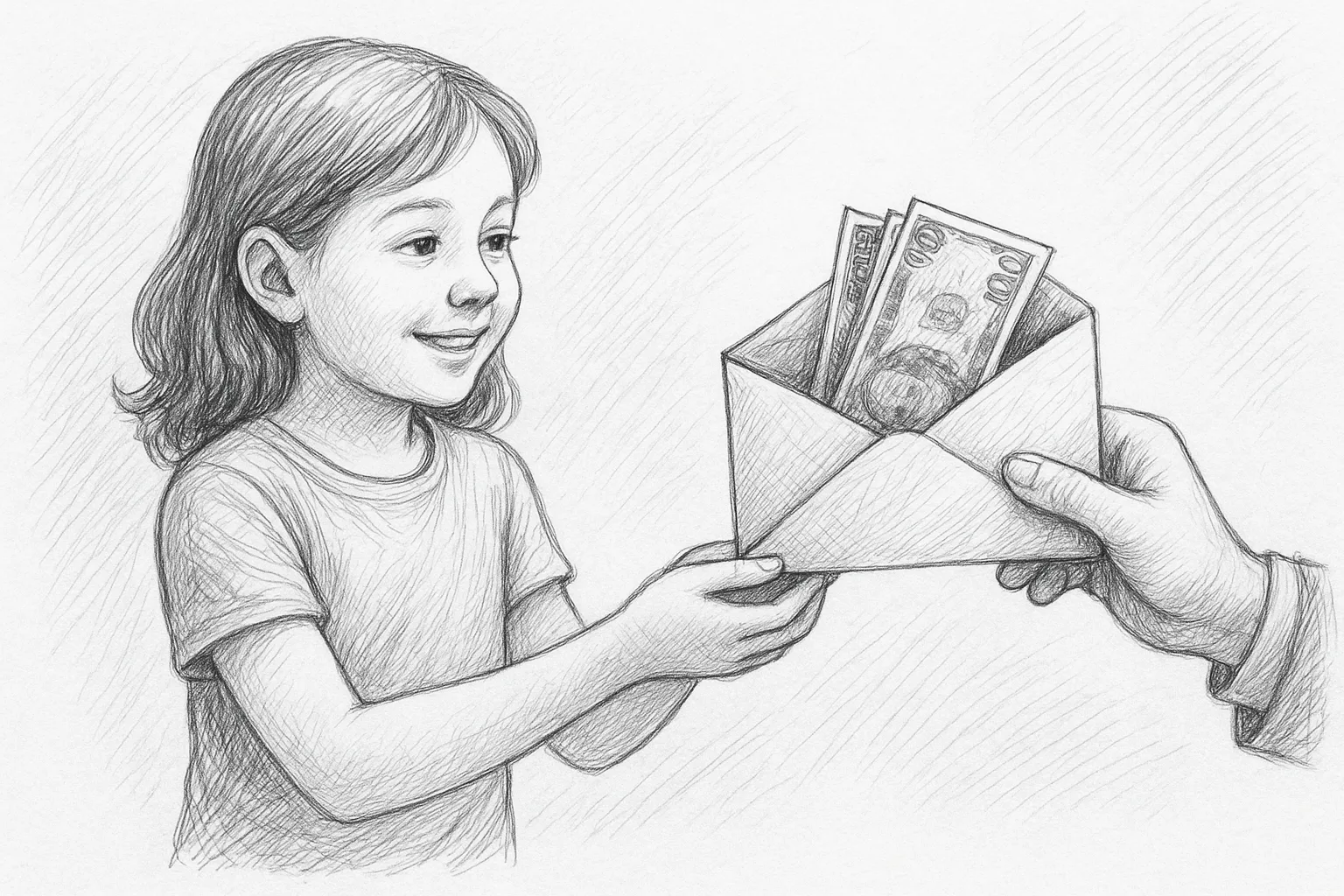
Introducing allowances to children can be a wonderful way to teach them about money, responsibility, and saving. With some simple steps and clear guidance, parents and educators can use allowances as a practical tool to help kids learn important money skills. This article explains how allowances work and offers helpful tips to get started.
What is an Allowance?
An allowance is a small amount of money given regularly to children, often weekly or monthly. It’s like a little income that children can use to buy things, save up for special items, or learn about managing money. Allowances give kids a safe way to practise money skills in real life.
Why Use Allowances for Learning?
Allowances help children understand the value of money and how to make choices. When kids have their own money, they can learn lessons about saving, spending, and sharing. These early experiences build important habits for the future.
Simple Steps to Start an Allowance
- Decide the amount: Choose a small, regular amount that fits your family’s budget and your child’s age. It doesn’t need to be large—just enough for little purchases or saving.
- Choose a schedule: Many families give allowances weekly, but monthly or fortnightly can work too. Pick what suits your routine.
- Talk about money: Explain why you are giving the allowance and discuss the idea of saving and spending wisely.
- Use real money: Giving physical coins and notes can help children understand the value of money better than digital numbers.
- Set simple rules: Decide if the allowance is for spending only or if some should be saved. You might also include a part for sharing or giving to others.
- Encourage saving jars or envelopes: Use clear jars or labelled envelopes to help children divide money for spending, saving, and sharing.
Practical Tips for Using Allowances to Teach
- Set goals together: Help your child choose something they want to save for, like a toy or book, and track progress.
- Make it fun: Use charts or stickers to celebrate saving milestones.
- Practice decision-making: Talk about choices before they spend. For example, “Do you want to buy this now or save for something bigger?”
- Include lessons on sharing: Encourage setting aside a small part of the allowance to give to charity or help others.
- Be consistent: Give the allowance regularly and review how it’s going after a few weeks.
- Use mistakes as learning moments: If your child spends all their money quickly, gently discuss what happened and what they might try next time.
Common Myths About Allowances
- Myth: Allowances spoil children. Truth: When used thoughtfully, allowances teach responsibility, not entitlement.
- Myth: Allowances should only be given for chores. Truth: While some families link allowances to chores, it’s also fine to use allowances simply as a learning tool.
- Myth: Kids will waste the money. Truth: Early experiences with money help children learn to make better choices over time.
- Myth: Only older children need allowances. Truth: Even young children can begin learning about money with small amounts and simple ideas.
“Teaching children about money early gives them tools for a lifetime of smart choices.”
Financial Education Expert
Wrapping Up: Allowances as a Learning Tool
Allowances offer a gentle, practical way for children to learn about money. By starting small, explaining clearly, and encouraging saving and sharing, parents and educators can help children build useful money habits. Remember to keep the experience positive and supportive, and use any mistakes as chances to learn together. With patience and fun, allowances can become a valuable part of a child’s financial education.
This article provides general educational information only and is not financial advice. Always seek guidance from a qualified professional for personal financial decisions.
Previous: Simple Ways to Teach Kids About Earning Money
Next: How to Teach Kids to Save Part of Their Pocket Money