
Series: Finance for Kids
Phase 5: Banking, Cards & Digital Money — Part 53 of 166
What is Digital Money?
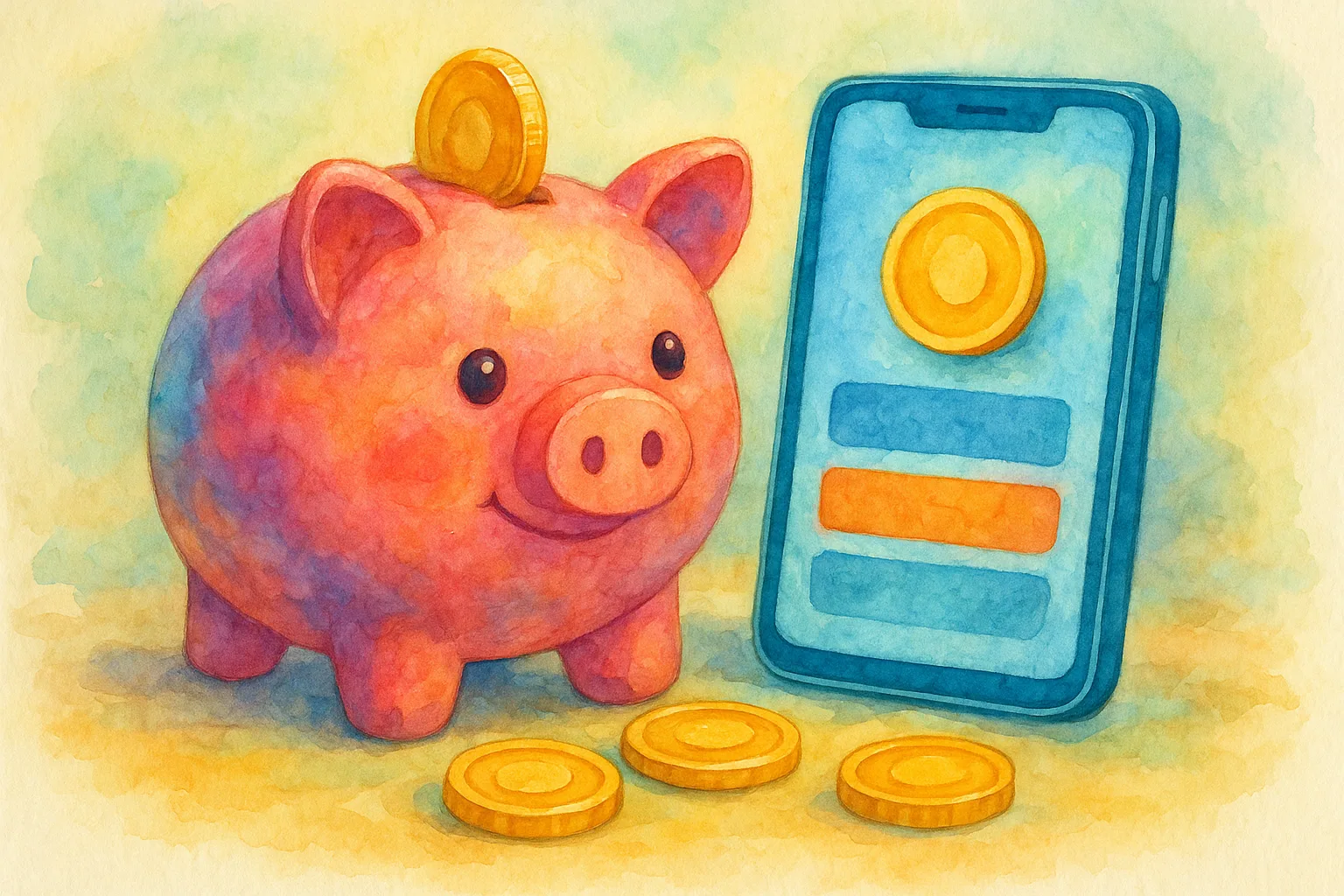
Digital money is money you can’t hold in your hands, like coins or notes. Instead, it exists online. Think about when you buy something using a card or your phone. That’s digital money in action!
In today’s world, many people use digital money to shop, pay bills, or send money to friends. This kind of money is becoming more common, and it’s important for children to understand how it works.
Why Teach Kids About Digital Money?
Understanding digital money helps kids become smart about how they spend and save. Here are a few reasons why it’s important:
- Modern Skills: As technology grows, knowing how to use digital money is a valuable skill.
- Safety: Learning about digital money helps children understand the importance of keeping their information secure.
- Financial Responsibility: It teaches kids to manage their money wisely, which is a skill they’ll use for life.
Step-by-Step Tips to Introduce Digital Money
1. Start with the Basics
Begin by explaining what digital money is. You can say, “Digital money is like the money we use every day, but it lives on computers, phones, or the internet. We can use it to buy things without cash.” Use simple terms and relatable examples.
2. Use Real-Life Examples
Show them how digital money works in real life. Here are some fun examples:
- Online Shopping: If you buy something online, explain that you are using digital money instead of cash.
- Mobile Payments: If you pay for a snack using your phone, share how that money is sent through an app.
- Games: Many games allow players to buy items with digital money. Discuss how this works and how it’s similar to real-world purchases.
3. Discuss Different Types of Digital Money
Help children understand that digital money comes in different forms:
- Bank Cards: Explain how debit and credit cards let you access your money without cash.
- Cryptocurrency: You can introduce the idea of digital coins, like Bitcoin, but keep it simple. Say it’s a type of money that only exists online.
- Apps: Mention apps that allow money transfers, like sending money to a friend for a birthday gift.
4. Teach About Safety
Safety is key when it comes to digital money. Teach them:
- Keep Information Private: Explain that they should never share passwords or personal details.
- Recognize Scams: Discuss how to spot scams or fake websites that may try to trick them.
- Ask for Help: Encourage them to come to you if they see something online that makes them unsure.
5. Encourage Smart Spending
Talk about how to spend money wisely, even if it’s digital. Here’s how:
- Set a Budget: Teach them to think about how much money they have available before making a purchase.
- Think Before They Click: Encourage them to consider if they really need something before spending their money online.
- Save for Bigger Purchases: Help them understand that saving up for something special can be rewarding.
Common Myths About Digital Money
Many people have misconceptions about digital money. Here are a few myths and the truths behind them:
- Myth 1: Digital money is not real money. Truth: Digital money is just as real as cash; it just exists in a different form.
- Myth 2: You can’t track digital spending. Truth: Most digital transactions provide records, making it easier to see where money goes.
- Myth 3: Digital money is unsafe. Truth: While there are risks, following safety tips can help keep digital transactions secure.
Conclusion
Teaching children about digital money is an important step in their financial education. By using simple explanations, real-life examples, and discussions about safety, you can help them become confident and informed users of digital money. The more they learn now, the better prepared they will be for their financial future!
This article provides general educational information only and is not financial advice. Always seek guidance from a qualified professional for personal financial decisions.
Previous: Teaching Kids How ATMs and Cards Work
Next: Explaining Debit vs Credit in a Child-Friendly Way