
Series: Finance for Kids
Phase 3: Saving Foundations & Habits — Part 37 of 166
Teaching Kids About Money: Fun Ways to Save and Spend Wisely
Money can be a tricky topic for kids. It’s important for them to learn how to manage it well from a young age. This article offers simple, fun, and practical ways to teach children about saving and spending wisely. Let’s dive in!
Why Teach Kids About Money?
Teaching kids about money helps them understand its value and how to use it responsibly. When children learn about money early, they can develop good habits that last a lifetime. Here are some key reasons why it’s important:
- Builds Confidence: Understanding money can make kids feel more confident when making choices.
- Prevents Bad Habits: Early lessons can help them avoid common mistakes with money later on.
- Encourages Independence: Learning about budgeting and saving helps kids become more independent.
Fun Ways to Teach Kids About Saving
Saving money is a crucial skill. Here are some fun and engaging ways to introduce the concept of saving to your children:
1. Create a Savings Jar
Start with a clear jar or container. Whenever your child receives money, encourage them to put some in the jar. They can see their savings grow, which makes it exciting! You can even decorate the jar together to make it more personal.
2. Set Savings Goals
Talk with your child about what they would like to save for, such as a toy or a fun day out. Help them set a savings goal. For example, if they want a toy that costs £20, you can create a plan to save a little bit each week.
3. Use a Piggy Bank
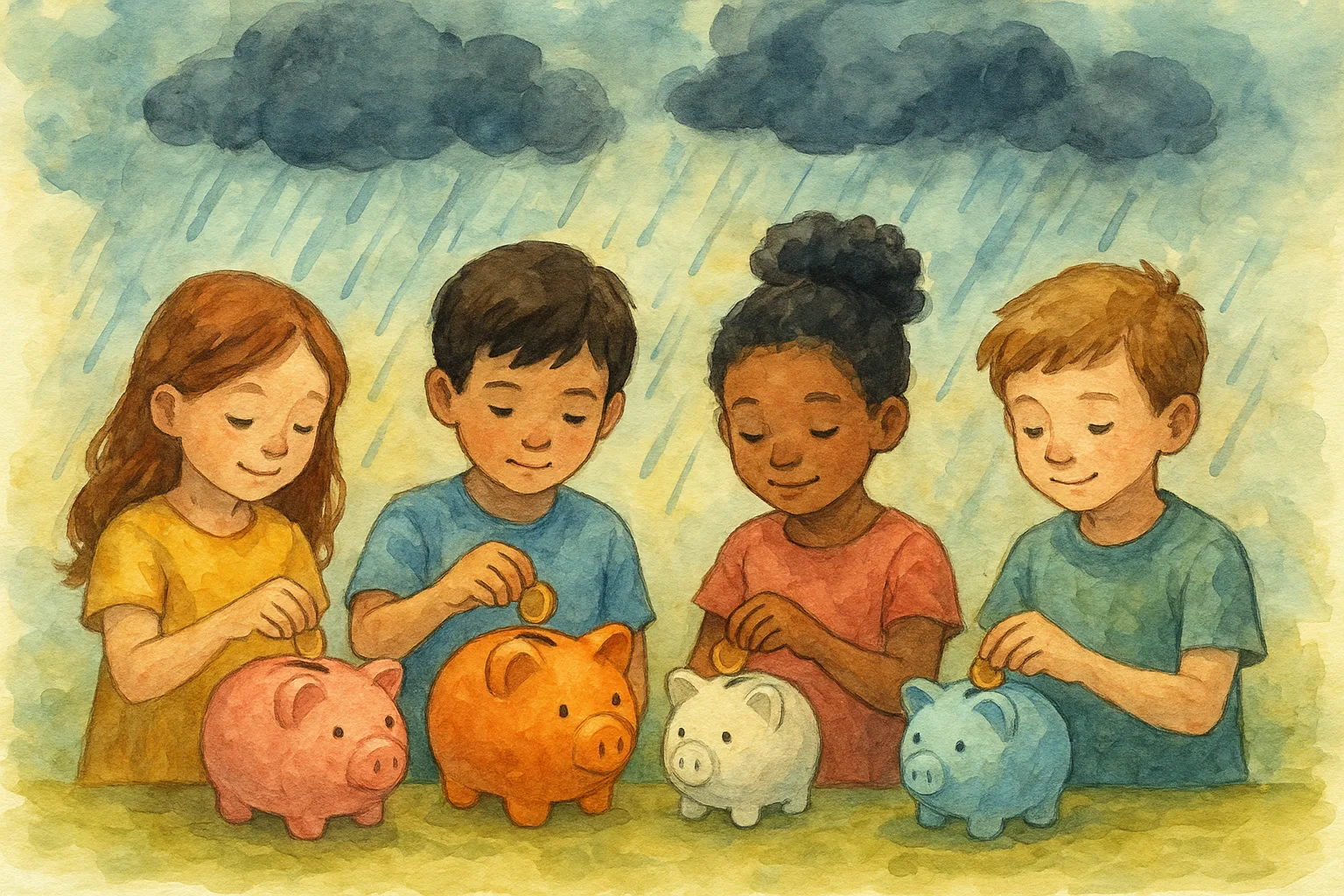
A piggy bank is a classic tool for teaching kids about saving. Encourage your child to add coins regularly. Once the bank is full, you can help them count the money and decide what to do with it!
Smart Spending Habits
Along with saving, it is essential for kids to learn how to spend wisely. Here are some strategies:
1. Discuss Needs vs. Wants
Help children understand the difference between needs (like food and clothes) and wants (like toys and sweets). This can guide them in making better spending decisions.
2. Create a Budget Together
Encourage your child to make a simple budget for their allowance. They can list their planned spending and savings. This way, they learn to manage their money before they spend it!
3. Compare Prices
When shopping, turn it into a game! Ask your child to compare prices of similar items. This teaches them to look for the best deal and appreciate the value of money.
Step-by-Step Tips for Parents
Here are some practical steps you can follow to make learning about money enjoyable:
- Start Early: Introduce money concepts at a young age. Use everyday situations to discuss money.
- Be a Good Role Model: Show your children how you manage your money. Share your budgeting and saving habits.
- Use Games: There are many board games and online games designed to teach kids about money in a fun way.
- Encourage Questions: Let your child ask questions about money. This helps them learn and understand better.
- Celebrate Achievements: When your child reaches a savings goal or makes a wise spending choice, celebrate it!
Common Myths About Money
There are some common myths about money that can confuse kids. Here are a few to clarify:
- Myth 1: Money grows on trees. Truth: Money must be earned through work or chores.
- Myth 2: Only rich people can save money. Truth: Anyone can save money, no matter how much they have.
- Myth 3: Spending is the only way to have fun. Truth: There are many free activities that can be just as enjoyable!
Conclusion
Teaching kids about money doesn’t have to be dull. With fun activities, discussions, and games, you can make financial education exciting. By instilling good habits early, you help them develop skills that will benefit them for life. Remember, the key is to keep it simple and engaging!
This article provides general educational information only and is not financial advice. Always seek guidance from a qualified professional for personal financial decisions.
Previous: Explaining Why Families Save for Emergencies
Next: How to Teach Kids the Concept of Opportunity Cost