
Series: Finance for Kids
Phase 13: Resources, Environment & Society — Part 149 of 166
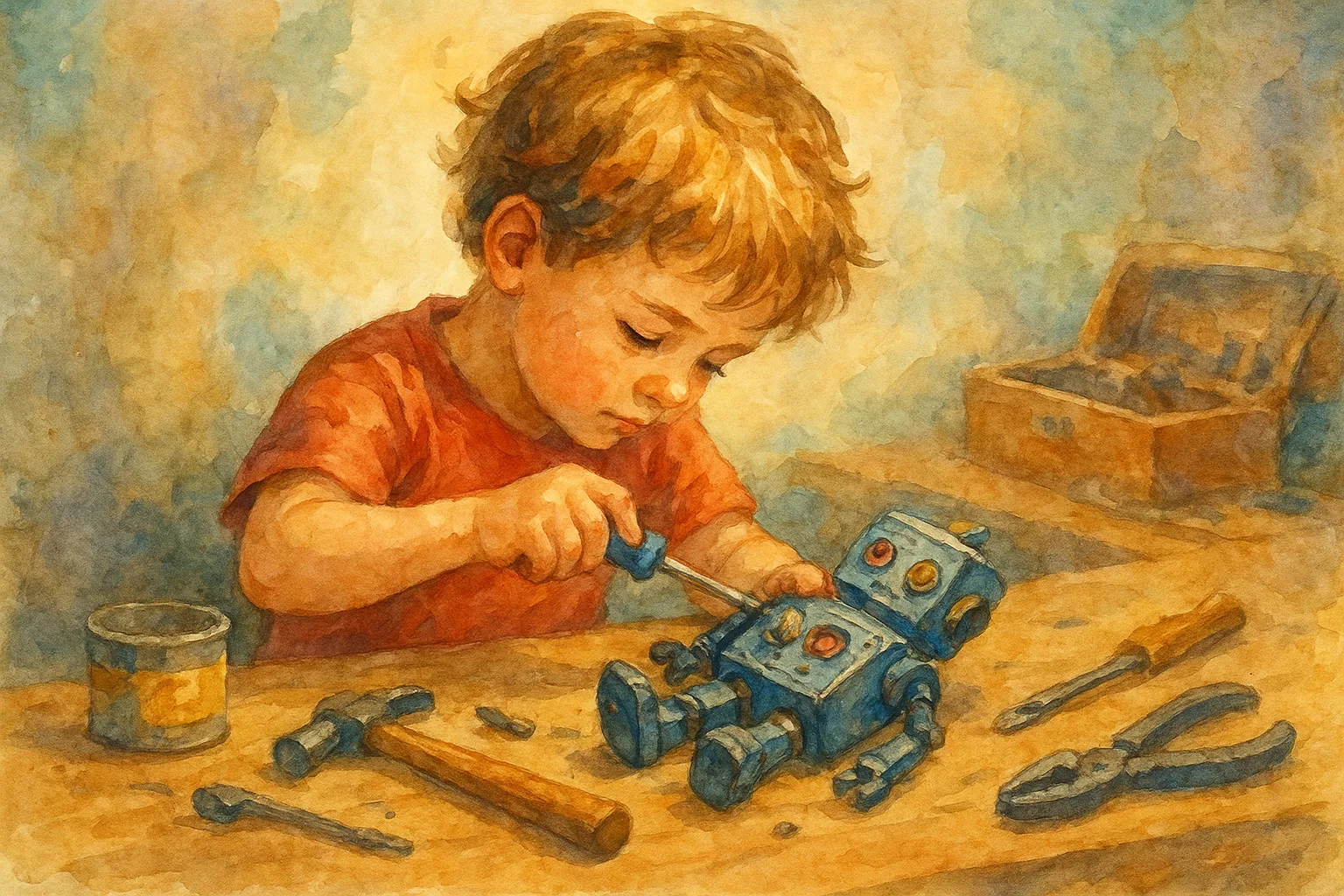
Teaching Kids to Repair Instead of Replace Items
In today’s world, it’s easy to throw things away. When something breaks, many of us think about simply buying a new one. But teaching kids to repair instead of replace can be a valuable lesson. Not only does it save money, but it also encourages creativity, responsibility, and a respect for our environment.
The Benefits of Repairing
When children learn to repair items, they gain many important skills:
- Problem-Solving: Figuring out how to fix something helps kids develop critical thinking skills.
- Patience: Repairing can take time and effort, teaching kids the value of perseverance.
- Resourcefulness: Kids learn to use what they have instead of rushing to buy new things.
- Environmental Awareness: Repairing helps reduce waste, which is good for our planet.
Step-by-Step Tips for Teaching Repair Skills
Here are some simple ways to get started:
1. Start Small
Choose easy items to repair first. A broken toy, a simple piece of clothing, or a kitchen gadget are great starters. Let your child pick the item they want to fix.
2. Gather the Right Tools
Show your child the basic tools needed for repairs. These can include:
- Scissors
- Glue
- Sewing kit
- Screwdrivers
- Duck tape
Teach them how to use these tools safely and effectively.
3. Research Together
Before starting the repair, find some resources. This could be a YouTube video, a how-to guide, or even a book from the library. Researching together can make it a fun learning experience!
4. Follow the Steps
Help your child break down the repair into steps. For example, if they are fixing a toy:
- Identify the problem
- Gather tools and materials
- Follow the instructions you found
- Test the item after the repair
Encourage them to take their time and ask questions along the way.
5. Celebrate Success
Once the item is repaired, celebrate the achievement! This reinforces the idea that repairing is a valuable skill. You can even have a little “repair party” with family or friends to share the success.
Myths About Repairing
There are some common myths that might discourage people from repairing. Let’s debunk a few:
Myth 1: Repairing Takes Too Much Time
While some repairs can take time, many are quick and easy. It often becomes faster with practice!
Myth 2: It’s Cheaper to Replace
Sometimes, repairing can be much cheaper than buying new items, especially when you factor in the skills gained.
Myth 3: Kids Can’t Learn to Repair
Kids are often more capable than we think. With your guidance, they can learn to fix many things!
Encouraging a Repair Mindset
To nurture a repair mindset in your kids, integrate these ideas into everyday life:
- Discuss the importance of taking care of possessions.
- Visit repair cafes or workshops in your community.
- Encourage creativity by letting kids personalise their repaired items.
- Make it a family project to repair something together!
By fostering these habits, you’re equipping your children with valuable life skills that will serve them well in the future.
Conclusion
Teaching kids to repair instead of replace is not just about saving money. It’s about nurturing creativity, responsibility, and respect for the environment. By involving them in the process, you help them develop important skills that will last a lifetime.
This article provides general educational information only and is not financial advice. Always seek guidance from a qualified professional for personal financial decisions.
Previous: Helping Kids Understand Reusing and Recycling Saves Money
Next: Explaining How Donations Help Reduce Waste