
Series: Finance for Kids
Phase 13: Resources, Environment & Society — Part 140 of 166
Understanding Wants vs. Needs
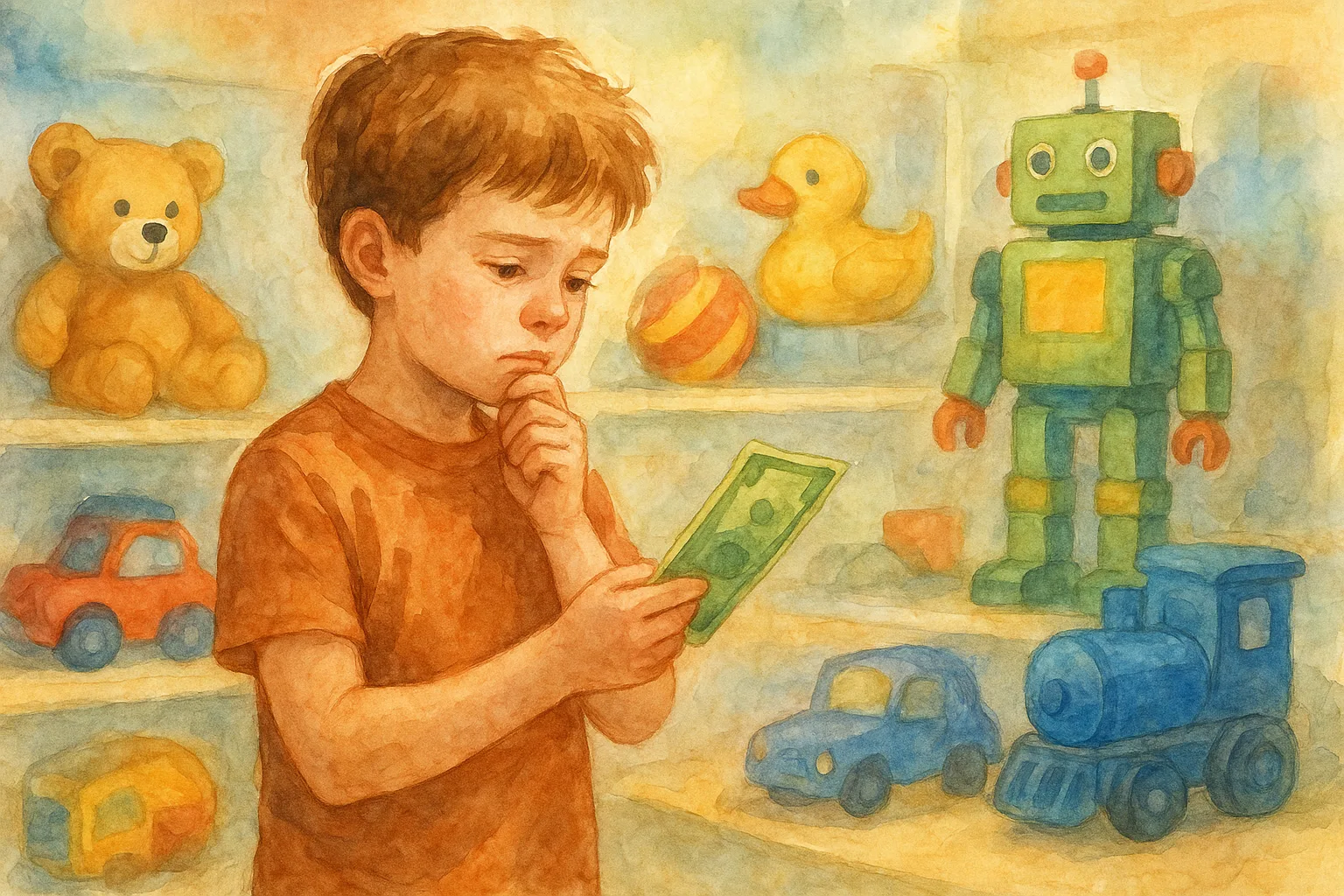
Every day, we face choices about what to buy. Children, especially, often wonder why they can’t have everything they desire. To help them understand, we can start by explaining the difference between wants and needs.
What Are Needs?
Needs are the basic things we must have to live. These include:
- Food: To stay healthy and strong.
- Shelter: A safe place to live.
- Clothing: To keep us warm and protected.
- Education: Knowledge and skills for a better future.
What Are Wants?
Wants are things we would like to have but can live without. They can make our lives more enjoyable, such as:
- Toys: Fun items to play with.
- Video games: Entertainment and engagement.
- Fancy clothes: Stylish outfits that are not necessary.
- Snacks: Treats that are not essential for health.
By understanding these differences, children can begin to see why we can’t always buy everything we want.
The Importance of Budgeting
Another important concept to explain is budgeting. A budget is a plan for how to spend money wisely. Here’s how to help children create a simple budget:
Step-by-Step Budgeting Tips
- Identify Sources of Income: Discuss where money comes from, whether it’s pocket money, gifts, or chores.
- List Needs: Write down the things that are necessary, like school supplies or basic clothing.
- List Wants: Write down the things they would like to have, like a new toy or a game.
- Set Priorities: Help them decide which wants are most important to them.
- Make Choices: Explain that they may need to save for a while to buy something they want.
- Track Spending: Encourage them to keep track of what they spend to see how well they stick to their budget.
By following these steps, children can learn to manage their money better and understand the value of saving.
Saving for the Future
Saving is an essential part of managing money. Teach children the benefits of saving for larger wants. For example, if they want a new bicycle, they can save a small amount of their pocket money each week until they reach their goal.
How to Encourage Saving
- Set a Savings Goal: Help them figure out how much they need to save and by when.
- Use a Jar or Piggy Bank: Visual savings can motivate children to watch their money grow.
- Celebrate Milestones: Celebrate when they reach savings goals to encourage good habits.
Saving teaches children patience and helps them work towards something they truly want.
Myths About Money
When it comes to money, there are many myths that can confuse children. Here are a few common myths and the truths behind them:
- Myth 1: Money can buy happiness.Truth: While money can buy enjoyable things, true happiness often comes from experiences and relationships.
- Myth 2: I need to buy the latest trends to fit in.Truth: Being yourself and valuing what you have is more important than following trends.
- Myth 3: All my friends have it, so I should too.Truth: Everyone has different needs and budgets. It’s okay to want different things.
By debunking these myths, children can develop a healthier relationship with money.
Conclusion
Teaching children why we can’t buy everything they want is an essential part of their financial education. By helping them understand the difference between needs and wants, the importance of budgeting, and the value of saving, we equip them with the skills they need to make wise choices. Remember, learning about money is a journey, and every step counts!
This article provides general educational information only and is not financial advice. Always seek guidance from a qualified professional for personal financial decisions.
Previous: Teaching Kids the Concept of Scarcity
Next: Helping Kids Understand Limited Resources