
Series: Finance for Kids
Phase 9: Entrepreneurship & Business Basics — Part 106 of 166
Understanding Customer Service
Customer service is all about helping people. When you go to a shop, call a business, or use a service, customer service is what makes those experiences good or bad. Teaching kids about customer service can help them understand how to treat others well, whether they are dealing with customers or helping friends.
Why It Matters
Learning about customer service is important for several reasons:
- Communication Skills: Kids learn how to talk to others and express their needs.
- Problem-Solving: They understand how to handle issues and find solutions.
- Empathy: They develop the ability to see things from another person’s perspective.
- Confidence: Kids gain confidence when they practice speaking and helping others.
Step-by-Step Tips to Teach Kids About Customer Service
1. Discuss What Customer Service Is
Start by having a simple conversation about what customer service means. You can use everyday examples, like visiting a restaurant or a shop. Ask questions like:
- What do you think makes a good customer service experience?
- Have you ever had a time when someone helped you well?
- What would you do if you were helping a customer?
2. Role-Playing Activities
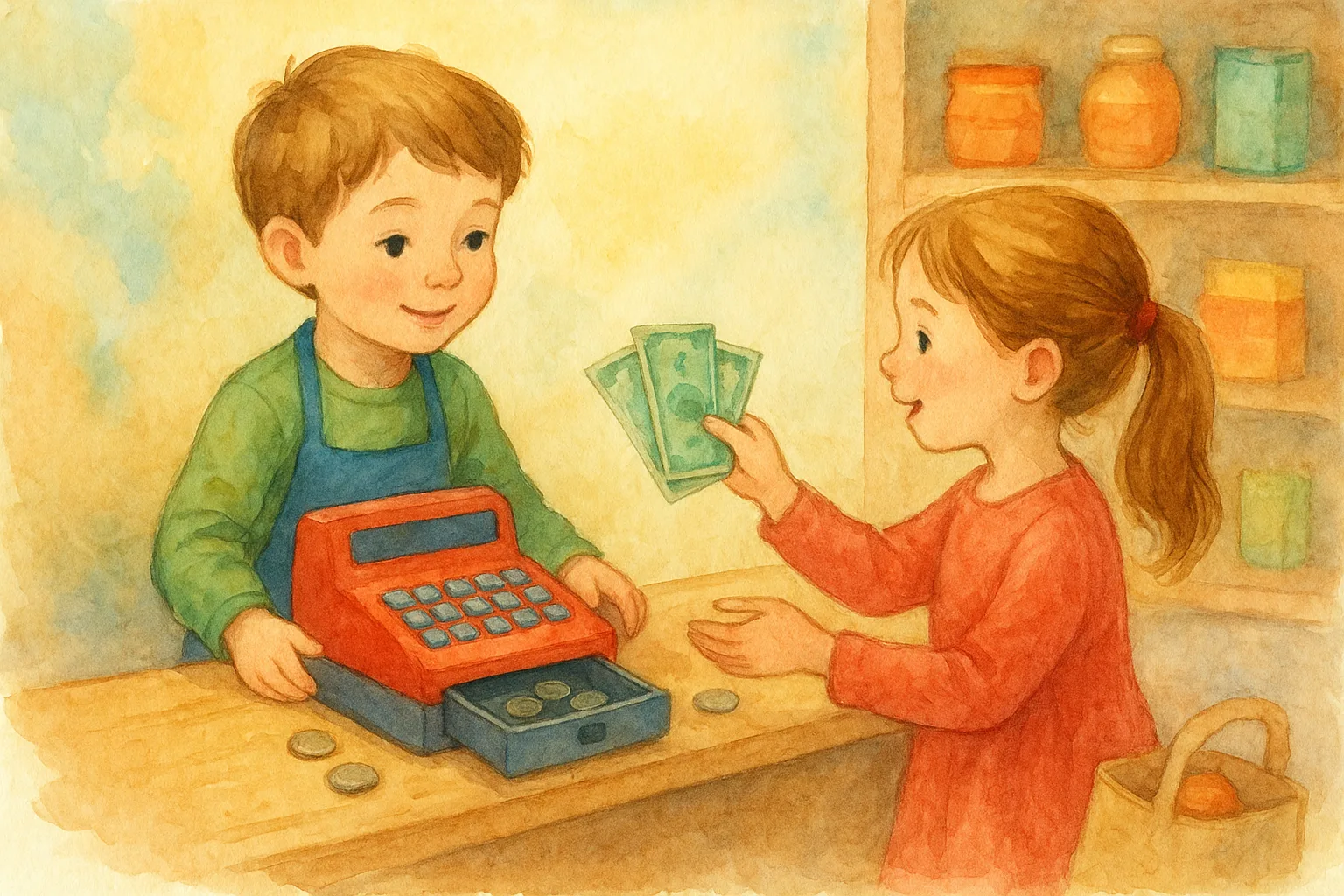
Role-playing can be a fun way to teach kids about customer service. Set up a mini-shop at home or use a toy store. Give kids roles as customers and shopkeepers. Here’s how to do it:
- Gather some toys or household items to sell.
- Assign one child to be the shopkeeper and the other the customer.
- The customer asks questions or makes requests while the shopkeeper practices helping them.
- Switch roles so everyone gets a chance to practice.
3. Talk About Good and Bad Service
Share stories about good and bad customer service experiences. This can be from your own life or things they see in movies or on TV. Discuss what made each experience good or bad. Ask questions like:
- What did the helper do that made you feel happy?
- How did a bad experience make you feel?
- What could have been done to make it better?
4. Encourage Empathy
Teaching kids to see things from other people’s perspectives is key in customer service. You can do this by:
- Reading stories where characters face challenges and discussing their feelings.
- Encouraging kids to think about how they would feel if they were in someone else’s shoes.
- Practising phrases like “How would you feel if…?” to promote understanding.
5. Visit Local Businesses
Take kids to local shops, cafes, or restaurants. Let them observe how staff interact with customers. After the visit, have a discussion:
- What did you notice about how the staff helped customers?
- Was there anything that could have been improved?
- How did the customers react to the service they received?
6. Celebrate Kindness
Encourage kids to be kind and helpful in their everyday lives. Celebrate their efforts to help others, whether at home or in school. Simple acts like:
- Helping a friend with homework.
- Listening to someone who is upset.
- Being polite to cashiers or waitstaff.
These small acts teach kids the importance of customer service in everyday interactions.
Common Myths About Customer Service
There are some myths about customer service that kids should know:
- Myth: Customer service is only for jobs. Truth: Everyone provides customer service in daily life, whether to friends, family, or others.
- Myth: Only adults can do customer service. Truth: Kids can practice customer service skills with peers, family, and even pets!
- Myth: Good customer service doesn’t matter. Truth: Good service can make a big difference in how people feel and how businesses thrive.
Conclusion
Teaching kids about customer service is a wonderful way to help them develop important life skills. By engaging in conversations, role-playing, and exploring real-life examples, you can make learning about helping others both fun and meaningful. Remember, customer service is about kindness and understanding—values that will benefit them throughout their lives.
This article provides general educational information only and is not financial advice. Always seek guidance from a qualified professional for personal financial decisions.
Previous: Helping Kids Market Their Mini Business
Next: Teaching Kids How to Track Earnings and Expenses