
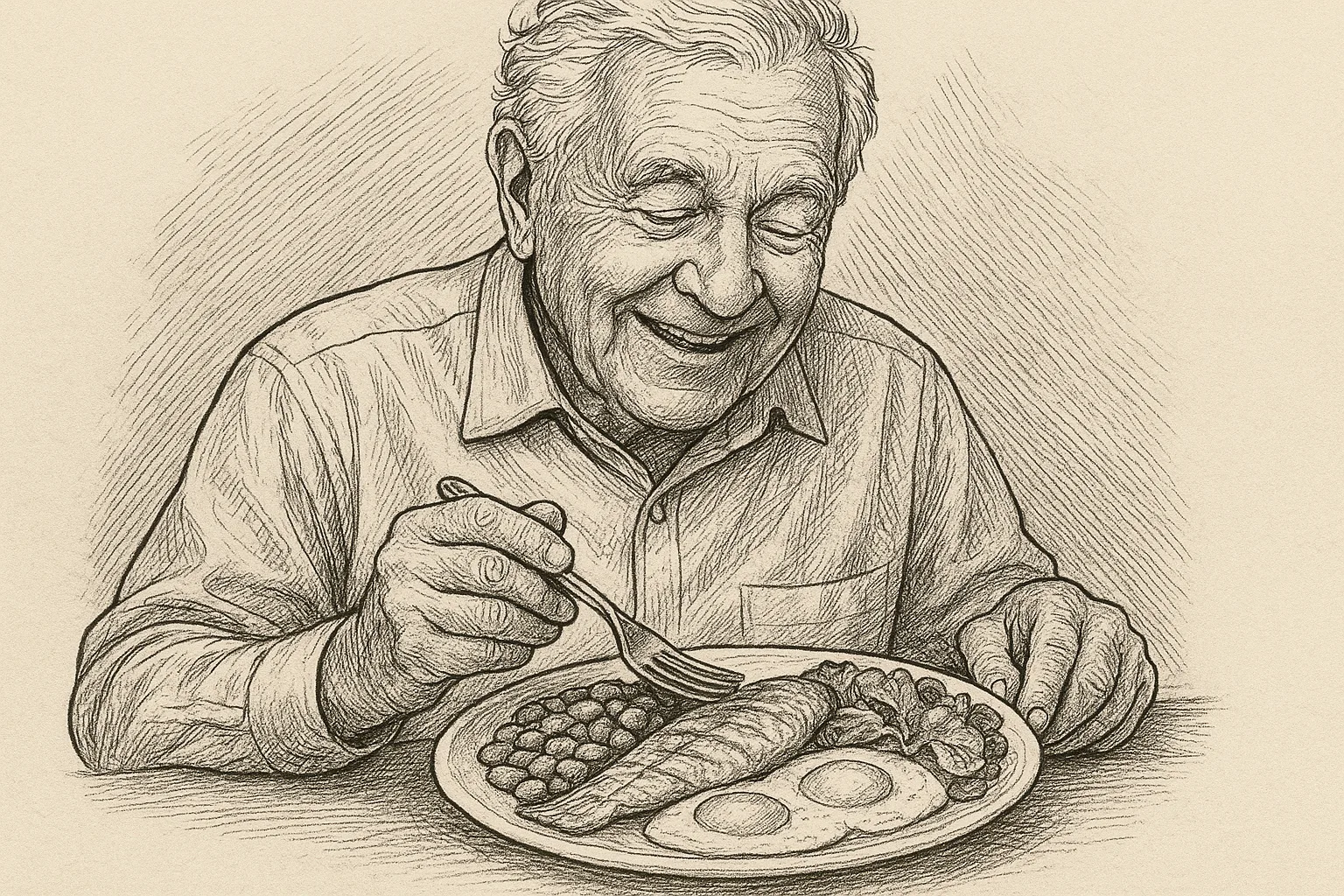
Do You Need More Protein as You Get Older?
As we age, maintaining our health and strength becomes more important than ever. One key nutrient that often takes centre stage in conversations about healthy ageing is protein. But do you really need more protein as you get older? And if so, how can you add it to your diet in a practical, sustainable way? This article will explore the role of protein in ageing, bust some common myths, and offer simple tips to help you meet your protein needs comfortably.
Why Protein Matters for Older Adults
Protein plays a crucial role in building and repairing muscles, supporting immune functions, and maintaining overall body strength. As we age, muscle mass naturally declines—a process called sarcopenia—which can impact mobility, balance, and independence. Eating enough protein helps slow this decline and supports recovery after injuries or illness.
Research suggests that older adults may benefit from consuming slightly more protein than younger adults to promote muscle maintenance and repair. This is because the body becomes less efficient at using protein with age, so a higher intake can help compensate for this change.
How Much Protein Do Older Adults Need?
While general guidelines recommend around 0.75 grams of protein per kilogram of body weight per day for adults, some experts suggest older adults aim for about 1.0 to 1.2 grams per kilogram. For example, a person weighing 70 kilograms (about 154 pounds) might aim for 70 to 84 grams of protein daily.
It’s always best to focus on balanced, varied meals rather than exact numbers. Small, consistent increases in protein-rich foods throughout the day can make a big difference over time.
Comparing Protein Sources: Whey, Casein, Soy, and Pea
Protein comes from many foods, both animal and plant-based. Here’s a quick look at some common protein types and their benefits:
- Whey Protein: Derived from milk, whey is quickly absorbed and rich in essential amino acids. It’s popular for muscle recovery and can be found in dairy products like yoghurt and cheese.
- Casein Protein: Also from milk, casein digests more slowly, providing a steady release of amino acids. It’s useful for sustained muscle repair, often consumed before bedtime.
- Soy Protein: A plant-based complete protein found in soybeans, tofu, and soy milk. It’s a good option for vegetarians and vegans with added benefits like heart health.
- Pea Protein: Another plant-based option, pea protein is hypoallergenic and rich in iron. It’s increasingly popular in protein powders and plant-based products.
Each protein type has its place depending on dietary preferences, digestion, and lifestyle. Mixing protein sources can help ensure a wide range of nutrients.
Practical Steps to Include More Protein in Your Diet
Adding protein to your meals doesn’t have to be complicated. Here are some simple, sustainable habits to try:
- Start with Breakfast: Include protein-rich foods like eggs, Greek yoghurt, or a smoothie with whey or plant-based protein powder.
- Snack Smart: Choose nuts, seeds, cheese, or hummus with veggies instead of sugary snacks.
- Choose Lean Proteins: Incorporate chicken, fish, or plant-based proteins like lentils and chickpeas into your meals.
- Mix Plant and Animal Proteins: Combining sources like beans with rice or tofu with quinoa can provide complete proteins.
- Cook in Batches: Prepare protein-rich meals ahead of time to avoid skipping or rushing meals.
- Stay Hydrated: Drinking enough water helps your body process protein efficiently.
Common Myths About Protein and Ageing
- Myth: Older adults shouldn’t eat too much protein because it harms the kidneys. For most healthy people, a moderate increase in protein is safe. If you have kidney issues, consult a healthcare professional.
- Myth: Plant proteins aren’t as good as animal proteins. While some plant proteins lack certain amino acids, eating a variety of plant foods can provide all essential amino acids.
- Myth: You need protein supplements to get enough protein. Whole foods can meet protein needs effectively; supplements are optional and convenient but not necessary.
- Myth: More protein equals more muscle immediately. Protein supports muscle health, but regular physical activity, especially strength exercises, is essential too.
Pairing Protein with Exercise
Eating enough protein works best alongside regular movement. Activities like walking, resistance training, or yoga can help maintain muscle strength and function. Even gentle exercises done consistently make a difference.
Small lifestyle changes, such as taking the stairs or doing light strength exercises at home, can complement your protein intake and support healthy ageing.
Tips for Sustainable Protein Habits
- Focus on enjoyable foods to make protein intake feel natural, not a chore.
- Listen to your body’s hunger and fullness signals to avoid overeating.
- Try new recipes featuring different protein sources to keep meals interesting.
- Plan meals around protein to ensure each one includes a good source.
- Consult a dietitian if you have special dietary needs or concerns.
Conclusion
As you get older, paying attention to your protein intake can help maintain muscle strength, support recovery, and promote overall wellbeing. While you may need slightly more protein than in younger years, focusing on balanced meals with a variety of protein sources—such as whey, casein, soy, and pea—can make this achievable without drastic changes. Pairing good nutrition with regular physical activity creates a strong foundation for healthy ageing. Remember to adopt habits that feel sustainable and enjoyable for you. Small, consistent steps can lead to lasting benefits.
This article provides general educational information only and is not a substitute for professional medical advice. Always consult a qualified healthcare professional for personal guidance.