
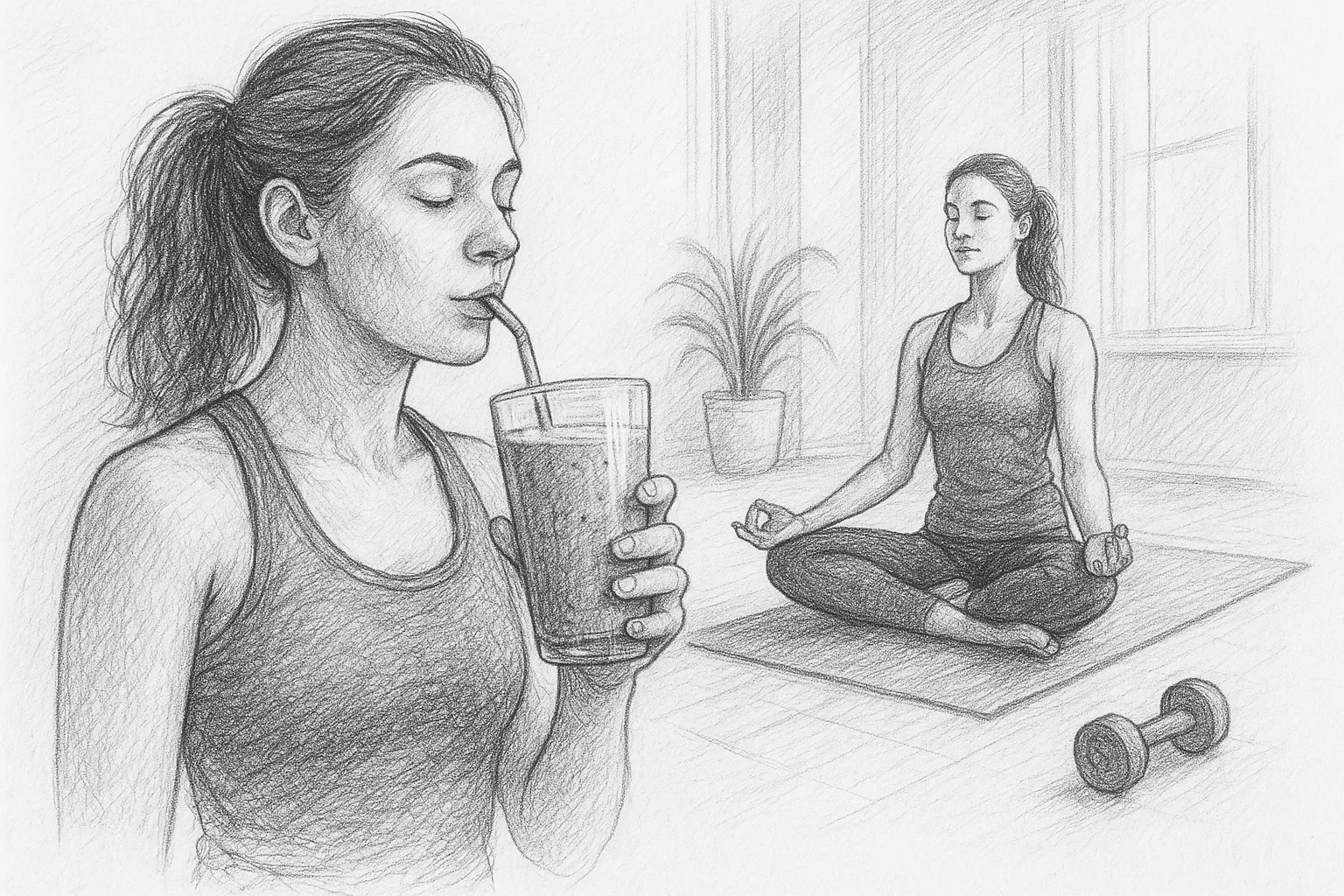
How to Combine Fitness with Other Healthy Habits for a Balanced Lifestyle
Fitness is an important part of a healthy lifestyle, but it’s just one piece of the puzzle. To feel your best and maintain wellbeing over the long term, combining physical activity with other healthy habits like good nutrition, quality sleep, and effective stress management is key. This article offers practical, sustainable tips for bringing these elements together so that fitness enhances your overall health in a balanced way.
Step 1: Make Fitness Enjoyable and Sustainable
Before combining fitness with other habits, it’s important to find activities you enjoy. This increases the likelihood that exercise becomes a lifelong habit rather than a short-term fix. Whether it’s walking, cycling, dancing, swimming, or yoga, choose activities that suit your preferences and lifestyle.
- Set realistic goals: Start with achievable targets, like 15–20 minutes of moderate activity three times a week, then gradually increase.
- Mix it up: Combine cardio, strength, flexibility, and balance exercises to work different muscle groups and keep things interesting.
- Schedule it: Treat workouts like appointments—this helps make fitness a regular part of your routine.
Step 2: Nourish Your Body with Balanced Nutrition
Good nutrition fuels your workouts and supports recovery. Combining fitness with a balanced diet helps optimise energy levels and overall wellbeing.
- Eat a variety of foods: Aim for a colourful plate with plenty of fruits, vegetables, whole grains, lean proteins, and healthy fats.
- Stay hydrated: Drink water before, during, and after exercise to maintain hydration.
- Time your meals: Have a small snack with carbohydrates and protein about 1–2 hours before exercise to fuel your body, and a balanced meal afterwards to aid recovery.
- Avoid extremes: Steer clear of fad diets or extreme calorie restriction, as these can hinder fitness progress and health.
Step 3: Prioritise Quality Sleep
Sleep is a powerful ally for fitness and health. It supports muscle repair, energy restoration, and mental focus.
- Create a bedtime routine: Aim to go to bed and wake up at the same time daily to regulate your body clock.
- Limit screen time before bed: Blue light from devices can disrupt sleep. Try to switch off screens at least an hour before bedtime.
- Make your bedroom restful: Keep it cool, dark, and quiet to promote uninterrupted sleep.
- Listen to your body: If you feel tired, allow yourself time to rest. Recovery is just as important as activity.
Step 4: Manage Stress Effectively
High stress levels can undermine fitness goals and overall health. Incorporating stress management techniques enhances both your mental and physical wellbeing.
- Practice mindfulness or meditation: Even a few minutes daily can reduce stress and improve focus.
- Use breathing exercises: Deep, slow breaths help calm the nervous system during stressful moments.
- Stay socially connected: Spending time with friends and family supports emotional health.
- Incorporate relaxing activities: Reading, gardening, or gentle stretching can help you unwind.
Step 5: Build Healthy Habits Gradually
Trying to change everything at once can be overwhelming and unsustainable. Instead, introduce new habits one at a time.
- Choose one fitness activity you enjoy and commit to it.
- Add one nutrition improvement, like eating a vegetable with every meal.
- Focus on improving your sleep routine.
- Begin a simple stress management practice.
Once a habit feels natural, add another. Over time, these small changes create a balanced and healthy lifestyle.
Common Myths About Combining Fitness with Healthy Habits
- Myth: You need to exercise intensely every day to be healthy. Reality: Moderate, regular activity is effective and more sustainable for long-term health.
- Myth: Healthy eating means strict dieting. Reality: Balanced nutrition is about variety and moderation, not deprivation.
- Myth: Sleep is less important than exercise. Reality: Sleep is essential for recovery and overall wellbeing; neglecting it can hinder fitness progress.
- Myth: Stress is inevitable and can’t be managed. Reality: While stress is a normal part of life, techniques like mindfulness and breathing can help manage it effectively.
Tips for Staying Motivated
- Track your progress: Use a journal or app to note workouts, meals, sleep, and mood.
- Celebrate small wins: Recognise improvements, no matter how minor.
- Find a buddy: Exercising or sharing goals with a friend can boost motivation.
- Be kind to yourself: Accept that setbacks happen; focus on getting back on track without judgement.
Conclusion
Combining fitness with other healthy habits like balanced nutrition, quality sleep, and stress management creates a harmonious foundation for wellbeing. By making small, enjoyable changes gradually, you build a lifestyle that supports both physical and mental health sustainably. Remember, it’s not about perfection but about consistency and kindness to yourself along the way. Embrace this balanced approach, and you’ll likely find improved energy, mood, and overall vitality.
This article provides general educational information only and is not a substitute for professional medical advice. Always consult a qualified healthcare professional for personal guidance.