
Series: Bilaspur Himachal History
Phase 5: Modern Era — Part 24 of 29
Dawn on the Sutlej: A City Awaits Its Fate
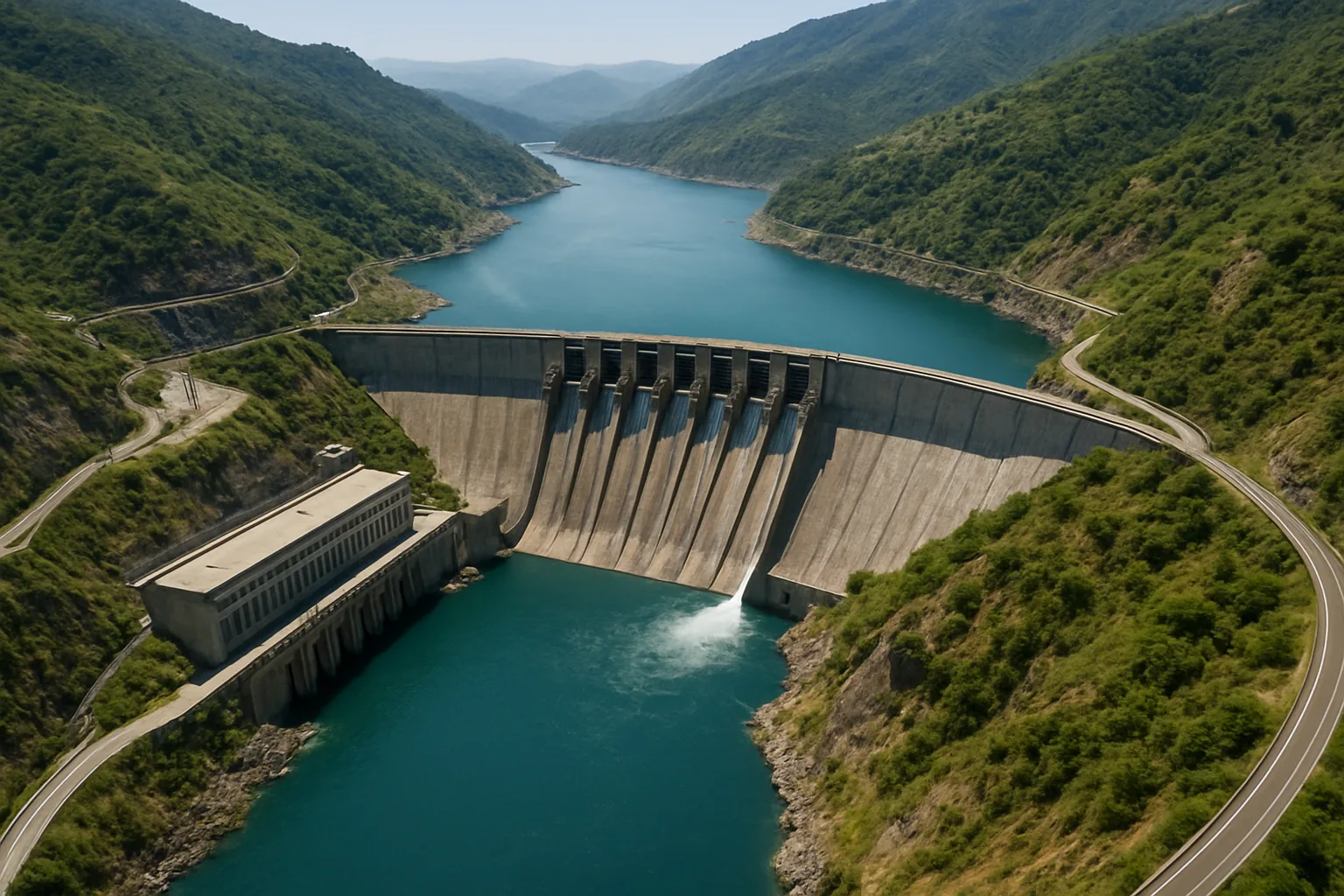
On a chilly March morning in 1954, anxious faces lined the banks of the Sutlej River at Bilaspur. Some clutched small bundles—family heirlooms, yellowed deeds, a handful of soil from ancestral courtyards. The river shimmered with an unnatural calm. Overhead, a new concrete monolith—Bhakra Dam—had begun to slow the Sutlej’s wild current. The old town below watched, powerless, as water crept closer, inching toward the doorsteps of homes that had stood for centuries. This was not simply a tale of engineering triumph, but the unmaking and remaking of a community, etched forever in the memory of Himachal Pradesh.
The Vision That Changed a Valley
In the late 1940s, as India shook off the last traces of colonial rule, the young nation’s leaders turned their gaze to the future. Nehru, the first Prime Minister, famously called dams “the temples of modern India.” The dream was bold: tame the floods, irrigate parched fields, and generate the electricity that would power progress. The Sutlej, both a giver and taker of life in the hills, was to be transformed by the Bhakra Dam, one of the world’s highest gravity dams at the time.
Yet for Bilaspur, a princely state with its own storied past, this vision was double-edged. The town, nestled at the river’s bend, was marked for submersion. Raja Anand Chand, the last ruling monarch, found himself at the crossroads of tradition and modernity—tasked with negotiating his people’s future as their homeland slipped beneath the rising waters.
Negotiations, Resistance, and Reluctant Acceptance
The dam’s construction was a national project, but for Bilaspur’s residents, it was deeply personal. Meetings in the Raj Mahal—the king’s palace—grew tense. Farmers, shopkeepers, and priests pressed for answers. Could the dam be shifted? Would they be fairly compensated? The government’s engineers explained the inevitability: the site was chosen for geological stability and water volume. The old city, with its bustling bazaars, temples, and the stately palace, would be gone.
Raja Anand Chand walked a delicate line. He advocated for his people, negotiating with Delhi for adequate resettlement and compensation. Oral histories recall his visible distress as he oversaw the relocation of ancient idols and sacred relics from Bilaspur’s temples to higher ground. Even as bulldozers advanced and surveyors marked out new plots, many residents clung to hope that the project would be halted—a hope that dwindled with each passing day.
The Submerged City: Loss and Memory
By 1954, as the dam’s gates closed, the Sutlej began to rise inexorably. The old city of Bilaspur, with its stone temples, winding streets, and the echoes of royal processions, slipped beneath the reservoir. Families gathered for final prayers at the banks, some performing symbolic funerals for their lost homes. The water lapped at the steps of the Naina Devi temple, which had to be moved brick by brick to safety. Stories of submerged mango orchards and lost markets became the community’s living folklore.
Those who watched the waters rise often spoke of the feeling of exile. For many, the earth itself—a patch of courtyard, a banyan tree, a temple bell—was a repository of memory. Local poets and chroniclers began to call the lost city Bilaspur Dooba—”the drowned Bilaspur.” Over time, only the tops of taller structures remained visible during the driest seasons, ghostly reminders of what once was.
New Bilaspur: Rebuilding from Ruins
Resettlement was a herculean undertaking. The government allocated plots for new houses on higher ground, above the reach of the newly created Gobind Sagar lake. Brick kilns and carpenters worked overtime as former neighbors tried to re-create the familiar order of streets and courtyards. Yet the new Bilaspur could never perfectly mirror the old. The landscape was different; so was the mood—tinged with both hope and longing.
Some families prospered, finding new opportunities in the jobs created by the dam and the influx of workers and officials. Others struggled to adapt, missing the orchards and fields that no compensation could replace. The town’s rhythm changed. The bazaar rebuilt itself, and new schools and hospitals rose. Yet, for years, gatherings and festivals included stories of the old city, of temples now at the bottom of the lake, and of the resilience it took to start again.
Bhakra Dam: Monument of Modernity
The Bhakra Dam itself became a symbol, not just of loss but of national pride. Pilgrims and tourists came to marvel at the engineering. The dam’s hydroelectric power lit up the Punjab plains and fueled factories as far away as Delhi. Bilaspur’s name became synonymous with sacrifice for the nation’s progress—a narrative repeated in school textbooks and Republic Day speeches.
But for locals, the dam’s presence was more complicated. It was a source of employment, yes, but also a daily reminder of what had been surrendered. In the 1960s and ’70s, as India weathered wars and droughts, the dam’s value became undeniable. Fields downstream turned green, cities buzzed with electricity, and the stories of the old Bilaspur found a new place in the region’s identity—no longer just tales of loss, but also of contribution.
Remembering the Submerged Past: Keeping Memory Alive
Today, Gobind Sagar’s blue expanse draws tourists, fishermen, and the descendants of those who once called the old city home. Each year, as water levels fluctuate, the outlines of submerged temples and ghats sometimes emerge, drawing crowds who come to offer prayers or simply to remember. Local museums display artifacts recovered from the reservoir—statues, coins, fragments of pottery—each with a story attached.
Bilaspur’s elders still narrate tales of the city beneath the water. Heritage walks, school projects, and oral history initiatives ensure these memories are preserved. The new city, with its modern institutions and roads, stands as a testament to adaptation, but it is the shared sense of history—of both loss and renewal—that continues to bind the community together.
Legacy: Shaping Bilaspur’s Identity Today
The making of the Bhakra Dam and the submergence of old Bilaspur mark a turning point not only for the region but for independent India’s approach to progress. The trauma of displacement, the challenge of rebuilding, and the pride in contributing to the nation’s future have all become part of Bilaspur’s contemporary identity.
In present-day Bilaspur, the story of the lost city is never far from the surface. It shapes how residents see themselves—resilient, adaptive, and deeply connected to their land and history. As the town grows and changes, the memory of that fateful morning on the Sutlej continues to echo, reminding new generations that progress and sacrifice are forever intertwined in the hills of Himachal Pradesh.
Previous: The Political Decision That Merged Bilaspur with Himachal Pradesh
Next: The Day Bilaspur Town Went Underwater