
🌱 A Gardener’s Tips for the Month: January to March
Winter may seem quiet in the garden — but there’s still plenty to do! These early months are perfect for preparing, tidying, and planning ahead for the growing season. Here’s how to make the most of your garden from January through March.
🌿 January: Winter Prep and Care
People often say there’s “not much to do in January.” Not true! This is a great time to get ahead with maintenance and planning.
- Tidy and repair: Edge grass paths, wash pots and seed trays, check netting for damage, and repair sheds, frames, and greenhouses. Clean the glass on frames and greenhouses to let in more of that precious winter sunshine.
- Dig and declutter: It’s a perfect month to clean out your shed and tackle some winter digging while the garden is quieter.
- Protect your fruit: Cover fruit bushes with netting — bullfinches love nibbling at those juicy new buds!
If the soil isn’t frozen or waterlogged:
- Sow broad beans and plant garlic outdoors. You can also start broad beans in pots, but don’t let them grow too tall before planting them out. Protect young plants from wind and snow.
- Trim strawberries and protect young runners from frost.
- Sow sweet peas in deep pots so their roots can grow undisturbed. Once they’re about 2 inches high, move them outside to harden off.
Bare-root fruit trees and bushes, such as raspberries, can be planted now — just protect them from frost while they establish. It’s also a good time to divide and replant rhubarb.
Prune apple and pear trees while they’re dormant. Cut back those “whippy” water shoots down to a fruit bud.
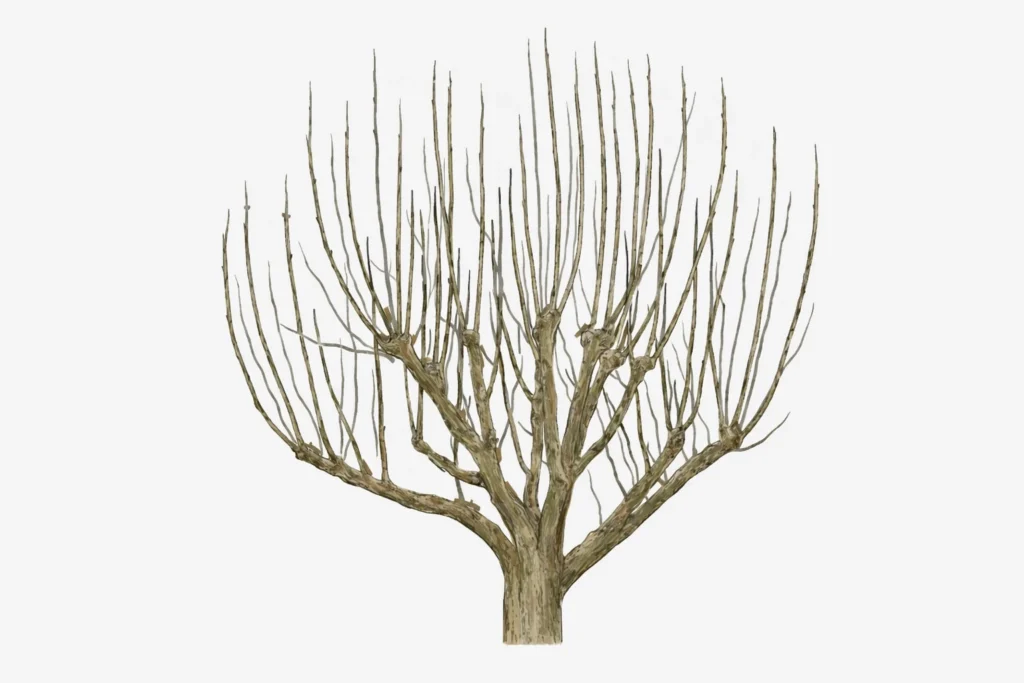
The RHS offers a great guide here: RHS: Managing Apple Watershoots.
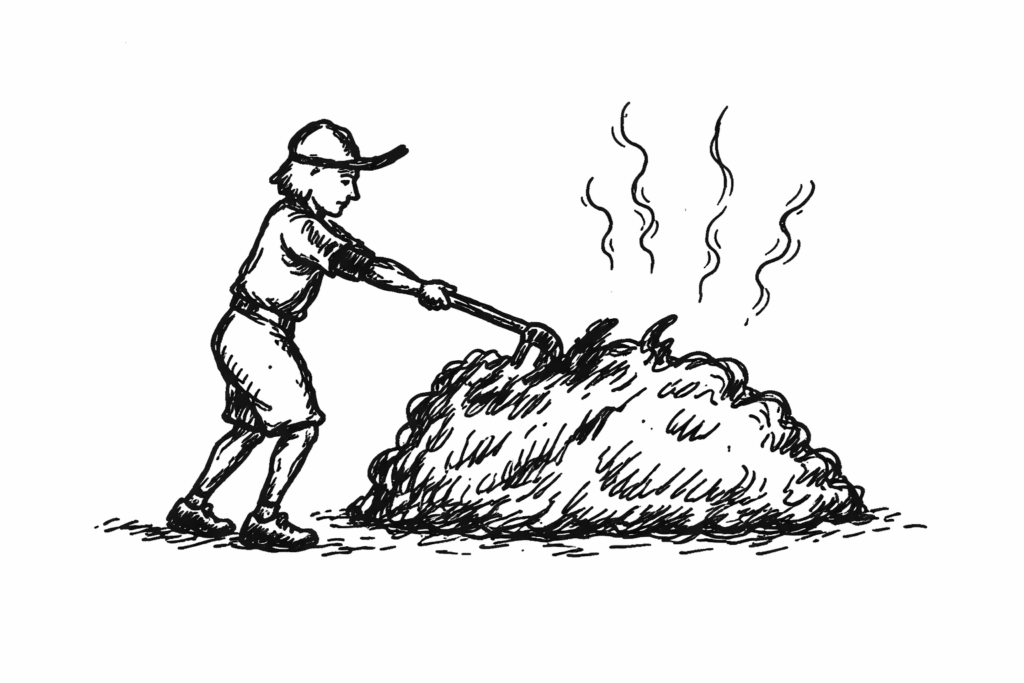
If the soil is frozen, spread compost or manure over your beds — it’ll enrich the soil with minimal disruption.
🌸 February: Getting Ready for Growth
With the days slowly lengthening, February is about preparing for the busy season ahead.
- Finish pruning fruit trees and bushes (except plums and cherries — leave those until spring so the cuts heal quickly).
- Check raspberry ties — if the canes have grown above their wires, bend and loop them to prevent wind damage and encourage fruiting.
- Warm the soil: Cover bare patches with plastic or cardboard. This keeps them from becoming waterlogged and helps them warm faster for early sowing.
If conditions allow (soil not frozen or soggy):
- Plant shallots and garlic. Some gardeners start them off in pots in a cold greenhouse.
- Try early peas: Sow them under fleece or plastic tunnels, or in lengths of guttering in the greenhouse — then slide them into the ground later for a neat start.
And yes — January’s tidying jobs still apply if you didn’t get to them last month!
🌼 March: Early Planting and First Sows
Spring is on the horizon, and things get exciting. March is the month to truly get your hands dirty.
- Plant outdoors: Shallots, garlic, onion sets, potatoes, strawberries, artichokes, rhubarb crowns, and asparagus.
- Sow outside: Beetroot, carrots, lettuce, turnips, summer radish, salad leaves, rocket, and oriental greens. Cover with fleece at night to protect from frost.
- Sow brassicas: Broccoli, cabbage, cauliflower, kale — outside if mild, or indoors if cold.
- Pre-germinate parsnips: Chit seeds on damp kitchen paper until roots appear, then plant directly — this saves thinning later.
Indoors, start seeds for celeriac, aubergines, chillies, peppers, kohl rabi, tomatoes, and celery.
By the end of the month:
- Finish winter pruning of gooseberries, blackcurrants, redcurrants, and whitecurrants.
- Prune autumn raspberries — cut old canes right down; new fruiting shoots will soon emerge.
- Protect blossom on cherry, peach, apricot, and nectarine trees from frost.
Keep an eye out for aphids and caterpillars — a mild winter can bring early infestations. And don’t forget to net your brassicas and watch for slugs!
🌻 Final Tip
Even when the soil is cold, there’s always something useful to do in the garden. Use these months to prepare, tidy, and plan — so when spring truly arrives, your garden will be ready to burst into life.
Happy gardening! 🌱
Leave a Reply