
Series: Learning AI
Phase 1: AI Foundations — Part 2 of 60
Understanding the nuanced differences between Artificial Intelligence (AI), Machine Learning (ML), and Deep Learning (DL) is essential for anyone looking to deepen their knowledge in this fast-evolving field. Whether you’re a beginner or progressing to a mid-level learner, this guide breaks down these concepts with clear explanations, practical examples, and actionable steps to help you grasp their unique roles and relationships.
Defining the Basics: AI, Machine Learning, and Deep Learning
Let’s begin by defining each term to establish a solid foundation.
What is Artificial Intelligence?
Artificial Intelligence is the broad science of creating machines or software that can perform tasks typically requiring human intelligence. This includes reasoning, problem-solving, understanding language, and recognizing patterns. AI is the umbrella term under which Machine Learning and Deep Learning fall.
What is Machine Learning?
Machine Learning is a subset of AI focused on developing algorithms that allow computers to learn from and make decisions based on data. Instead of being explicitly programmed for every task, ML systems improve their performance as they are exposed to more data.
What is Deep Learning?
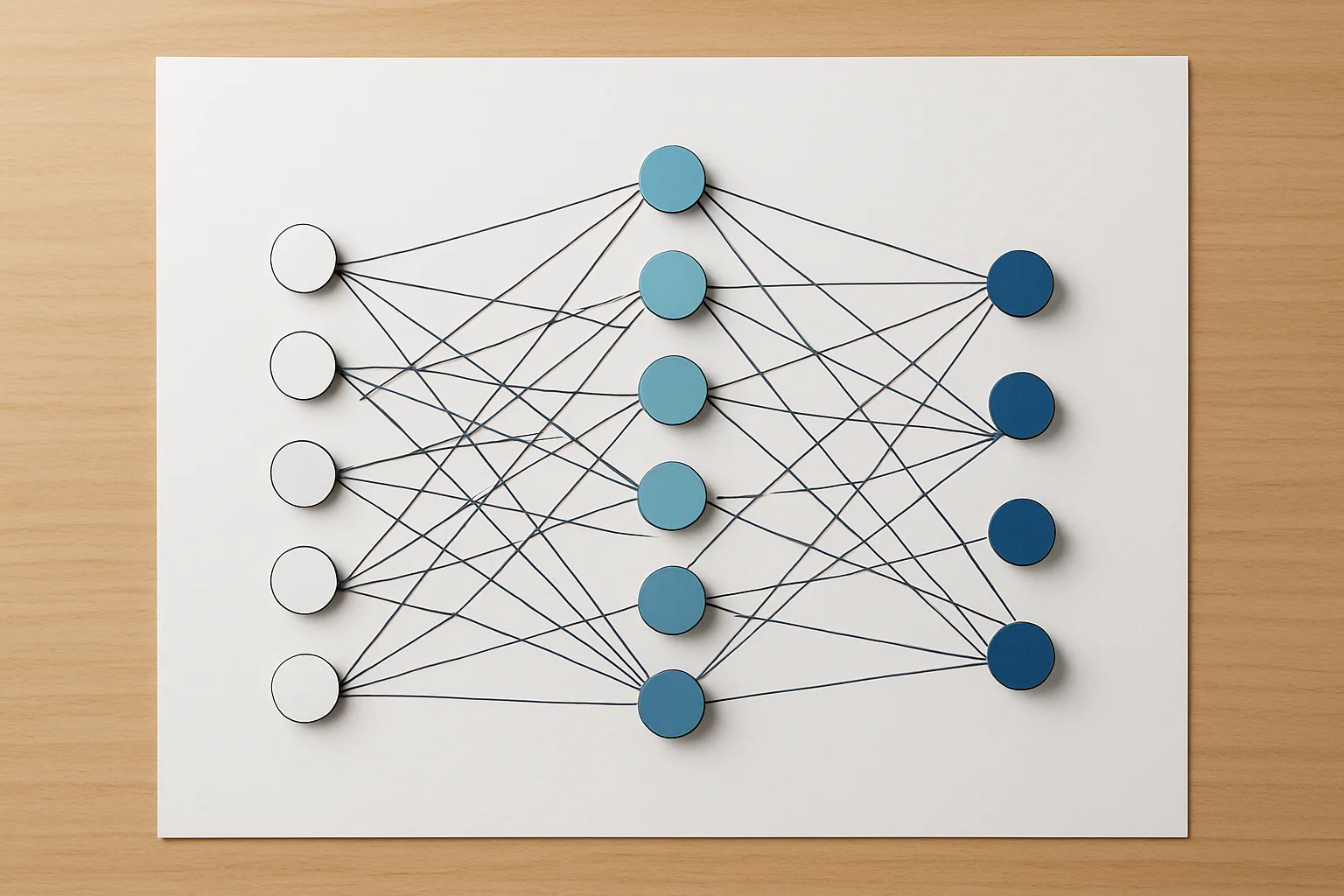
Deep Learning is a further subset of Machine Learning that uses neural networks with many layers (hence ‘deep’) to model complex patterns in data. It excels in handling unstructured data like images, audio, and text, enabling breakthroughs in areas such as natural language processing and computer vision.
How AI, Machine Learning, and Deep Learning Relate
Think of these concepts as concentric circles:
- AI is the largest circle, encompassing any technique that enables computers to mimic human intelligence.
- Machine Learning sits inside AI, representing methods where machines learn from data without explicit programming.
- Deep Learning is a specialized area within Machine Learning, using complex neural networks to analyze data.
This hierarchy helps understand how each builds upon the others.
Practical Examples to Highlight the Differences
- AI Example: A rule-based chatbot programmed with fixed responses to customer questions demonstrates AI without ML.
- Machine Learning Example: A spam filter that learns to identify unwanted emails by analyzing features from past emails uses ML techniques.
- Deep Learning Example: Voice assistants like Siri or Alexa use deep neural networks to understand spoken language and respond appropriately.
Myth-Busting: Common Misunderstandings Clarified
- Myth 1: “AI, ML, and DL are the same.”
Reality: While related, they have distinct scopes and methods, with AI being the broadest. - Myth 2: “Deep Learning always outperforms traditional Machine Learning.”
Reality: Deep Learning requires large datasets and significant computing power; traditional ML can be more efficient for simpler problems. - Myth 3: “AI systems are fully autonomous and infallible.”
Reality: AI systems can make mistakes and require careful design, monitoring, and human oversight.
Action Steps to Deepen Your Understanding
- Study foundational concepts: Review beginner-friendly resources on AI, ML, and DL to solidify your understanding.
- Experiment with tools: Try accessible ML platforms like Google’s Teachable Machine or IBM Watson Studio to practice building models.
- Explore datasets: Use public datasets from sources like Kaggle to apply ML techniques on real-world data.
- Learn programming basics: Gain familiarity with Python, the most common language for AI and ML development.
- Join communities: Engage with online forums and local meetups to exchange knowledge and stay updated.
Conclusion
Understanding the distinctions between AI, Machine Learning, and Deep Learning empowers you to navigate the AI landscape more effectively. Recognizing that AI is the broad goal, ML is the method of learning from data, and DL is a powerful technique within ML helps you choose the right tools and approaches for your projects. By dispelling common myths and following practical action steps, you can confidently progress from beginner to mid-level expertise in this exciting field.
Previous: What Is AI? Beginner’s Guide to Modern AI in Plain English
Next: 10 Everyday Examples of AI You Already Use