
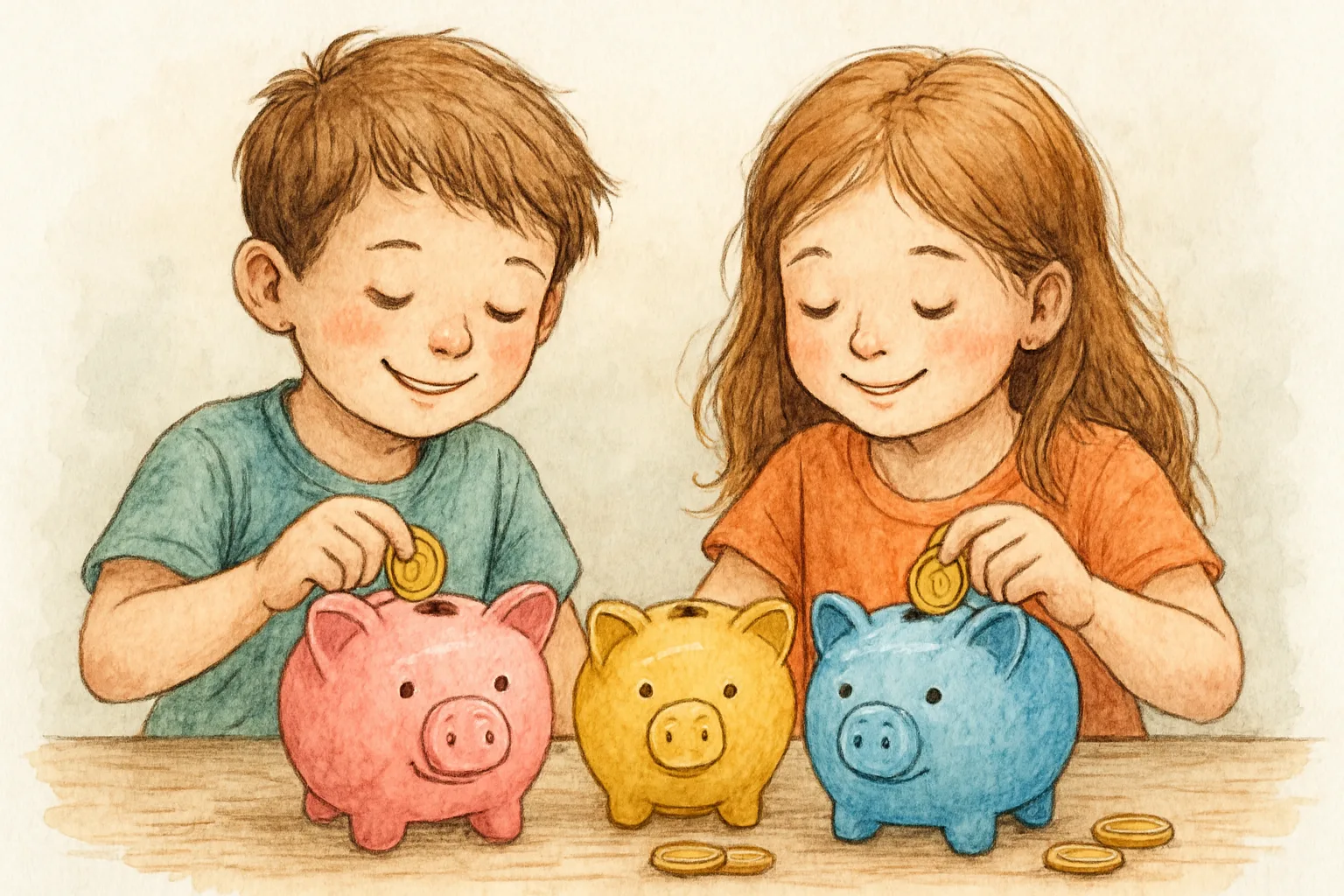
Teaching children how to save money can be both fun and rewarding. Saving money is an important skill that helps kids understand the value of money and how to manage it wisely. One great way to encourage saving is through simple, enjoyable challenges that make the process exciting and easy to follow. In this article, we will share fun saving challenges for children, practical tips, and dispel some common myths about saving money.
Why Saving Challenges Work Well for Kids
Children often learn best through play and hands-on activities. Saving challenges turn money lessons into games, helping kids stay interested and motivated. These challenges also give children a clear goal, which can make saving feel more rewarding. When kids see their savings grow, they feel proud and excited to keep going!
Simple and Fun Saving Challenges for Children
Here are some easy and enjoyable saving challenges you can try with your child. Each challenge can be adjusted depending on your child’s age and interests.
- The 10p a Day Challenge: Ask your child to save 10p each day for a month. By the end, they will have saved £3. This small daily habit shows how little amounts add up over time.
- The Jar Decoration Challenge: Give your child a jar to save coins in. Let them decorate it with stickers or paint. Watching the jar fill up can be exciting and visual.
- The Wish List Challenge: Help your child create a wish list of things they want to buy. Then, set a savings goal for one item. They can save little by little until they reach the goal.
- The No-Spend Weekend Challenge: Pick one weekend where the family doesn’t spend any money on treats or toys. Instead, do free activities and save the money that would have been spent.
- The Save or Share Challenge: Encourage your child to split any money they receive into three parts: save, spend, and share. This helps children learn about saving while also thinking about generosity.
Step-by-Step Tips to Make Saving Fun and Successful
- Set Clear Goals: Help your child decide what they want to save for. It could be a toy, a book, or even a special outing. Having a goal makes saving more meaningful.
- Use Visual Aids: Use jars, envelopes, or charts to track savings. Colourful visuals make the process fun and easy to understand.
- Celebrate Milestones: When your child reaches a savings goal, celebrate it with praise or a small reward (not money). This encourages positive feelings about saving.
- Make It Routine: Encourage your child to save regularly, like after getting pocket money or gifts. A routine helps build good habits.
- Be Patient and Supportive: Saving can take time. Offer gentle reminders and encouragement without pressure. Let your child learn at their own pace.
Common Myths About Saving Money for Kids
- Myth 1: Saving is Boring. Saving can be fun with games and challenges. It’s about learning and growing, not just putting money away.
- Myth 2: You Need a Lot of Money to Save. Even small amounts, like a few pennies, add up over time. It’s the habit that matters most.
- Myth 3: Kids Don’t Understand Money. Children can learn about money with simple examples and activities suitable for their age.
- Myth 4: Saving Means Never Spending. Saving is about balancing spending and saving wisely, not giving up treats or fun.
“The habit of saving is itself an education; it fosters every virtue, teaches self-denial, cultivates the sense of order, trains to forethought, and so broadens the mind.”
— T.T. Munger
Saving money is a wonderful skill for children to learn early. With fun challenges, clear goals, and your support, saving can become a positive and enjoyable habit. Remember to keep lessons simple and celebrate progress along the way. This helps children build confidence and a healthy relationship with money that will last a lifetime.
This article provides general educational information only and is not financial advice. Always seek guidance from a qualified professional for personal financial decisions.
We hope you enjoy trying these saving challenges with your child. Happy saving!
Previous: How to Teach Kids to Save Part of Their Pocket Money
Next: Teaching Delayed Gratification Through Saving Goals