
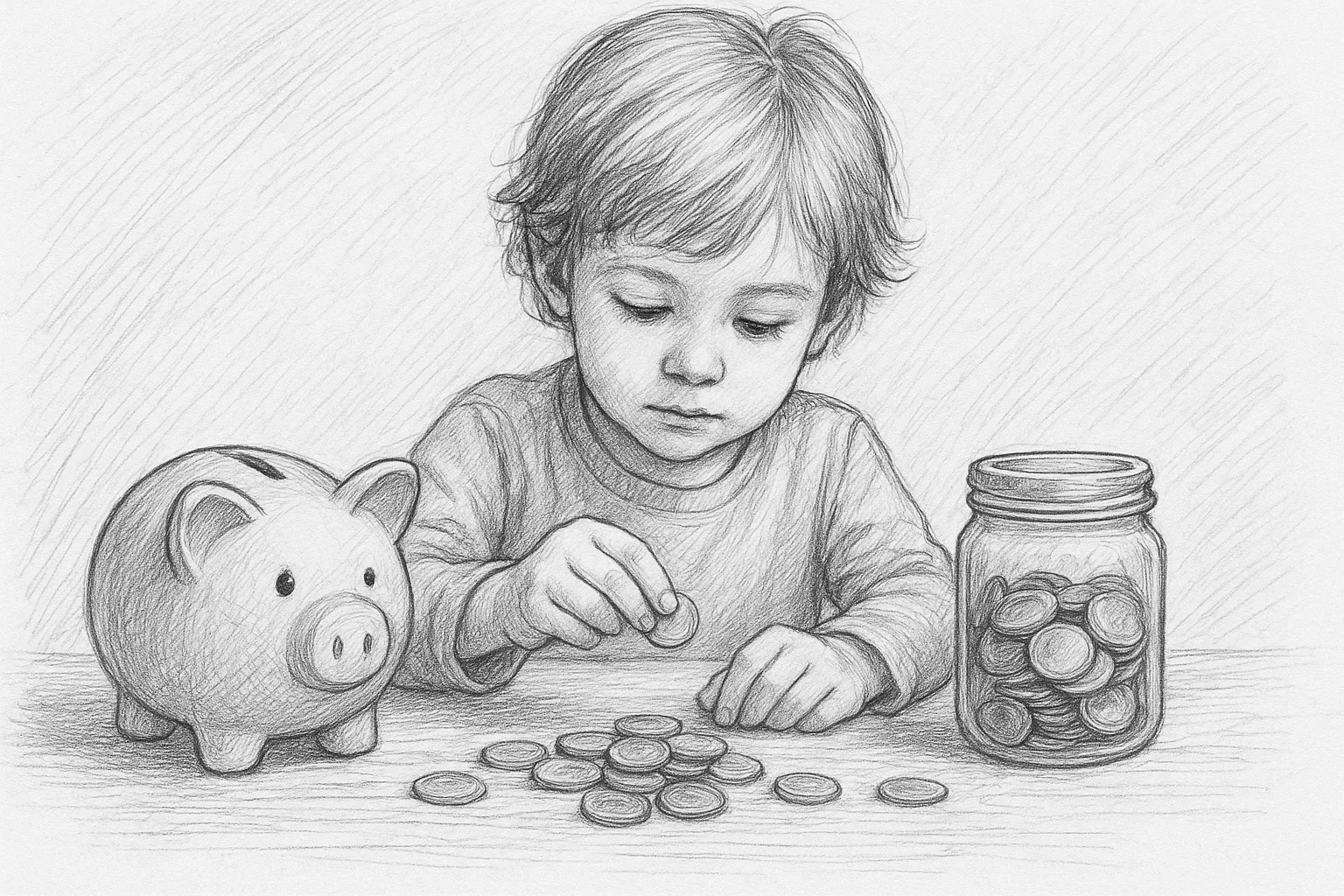
Teaching children about money early on is a wonderful gift that helps them feel confident and responsible as they grow. One of the most important money lessons is understanding how to earn it. When kids learn about earning money, they begin to appreciate the value of hard work and the choices they make with their money. Let’s explore simple and practical ways parents and educators can help children understand earning money in everyday life.
Why Teach Kids About Earning Money?
Understanding how money is earned helps children link work with rewards. It encourages good habits like saving, sharing, and spending wisely. When kids know that money doesn’t just appear, but is earned through effort, they tend to respect money more and make better decisions with it.
Simple Ways to Teach Kids About Earning Money
1. Give Them Small Jobs at Home
One of the easiest ways to teach kids about earning money is through small chores or tasks around the house. For example, children can help tidy their room, water plants, or help set the table. You might decide to give a small reward for completing these tasks, which helps them understand that work leads to earning.
Step-by-step tips:
- Choose age-appropriate tasks.
- Explain clearly what needs to be done.
- Set a small reward for each completed task.
- Celebrate their success with praise.
2. Set Up a Pretend Shop or Market
Playing shop is a fun way to teach kids how people earn money by selling goods or services. You can use toys, books, or homemade crafts as items to sell. Let children take turns being the seller and the customer. Use play money to keep the activity simple and engaging.
This game helps children see that earning money often comes from providing something others want or need.
3. Encourage Age-Appropriate Side Projects
Older children might enjoy small projects that can earn a little money, such as making greeting cards, baking treats to share with neighbours, or helping with gardening. These hands-on activities teach kids that earning money often means using their skills and effort.
Remember to support and guide them to keep the experience positive and safe.
4. Use Stories and Examples
Children understand ideas better when they hear stories. Share simple tales about how people earn money, like a baker selling bread or a teacher helping students. Use everyday examples like parents going to work or friends earning pocket money for chores.
These stories make the idea of earning money real and relatable.
Common Myths About Kids and Money
When teaching children about money, it helps to clear up some common misunderstandings. Here are a few myths and the truths behind them:
- Myth: Kids don’t care about money.
Truth: Kids are curious and can learn to respect money when it is explained well. - Myth: Giving pocket money without conditions is best.
Truth: Connecting money to effort helps kids understand its value. - Myth: Money lessons are only for older children.
Truth: Even young children can start learning simple money ideas through play.
“Teaching children about money is not about making them rich, but about making them wise.”
Unknown
Tips for Making Money Lessons Fun and Meaningful
- Use real-life examples: Point out when you earn money and what you do with it.
- Keep it simple: Use everyday language and avoid complicated terms.
- Be patient: Learning about money is a step-by-step process.
- Encourage questions: Let children ask and explore their ideas about money.
- Celebrate achievements: Praise their efforts when they earn or save money.
Remember, the goal is to build a positive attitude toward money and work. By making earning money a natural and enjoyable part of life, children can grow confident and prepared for the future.
This article provides general educational information only and is not financial advice. Always seek guidance from a qualified professional for personal financial decisions.
Teaching children about earning money doesn’t have to be complicated. Through small chores, imaginative play, encouraging projects, and simple stories, parents and educators can help children understand the value of work and money. Clearing up common myths and keeping lessons fun and clear helps children feel confident as they learn. Remember to celebrate their efforts and answer their questions with kindness. Together, you can build strong money skills that will last a lifetime.
Previous: Helping Kids Understand Where Money Comes From
Next: Introducing Allowances: How to Use Them for Learning