
Series: The UK Allotment Year
Phase 5: Allotment Life & Community — Part 40 of 50
The culture, creativity, and joy of allotment life — covering etiquette, shared spaces, wellbeing, family gardening, and DIY projects for the off-season.
How to Involve Kids in Your Allotment (Without Chaos!)
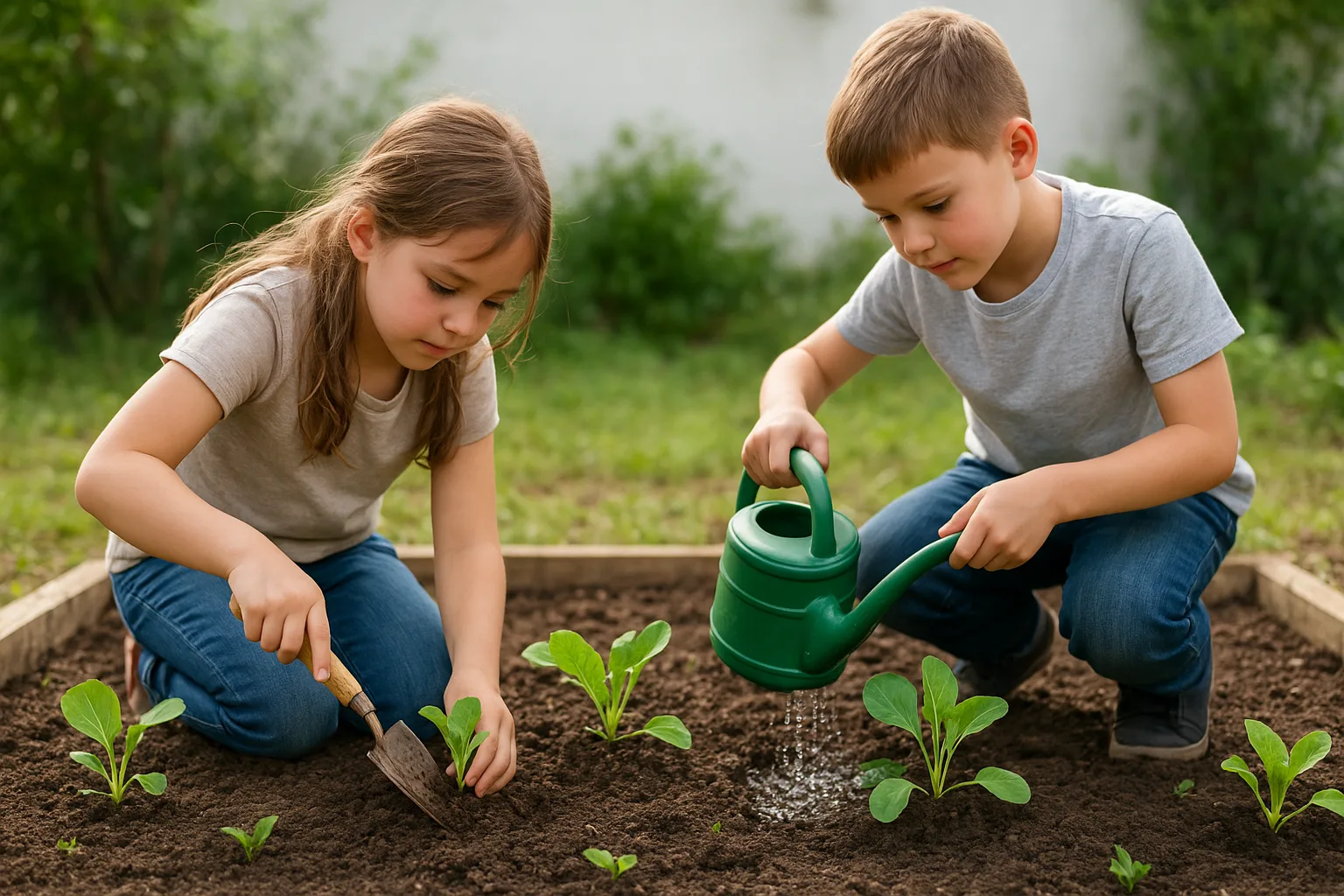
Spring is the perfect time to invite children down to the allotment and spark their interest in growing food. Longer days and warmer weather mean more time outside, and with some planning, you can create an enjoyable and productive gardening experience for your kids — without the usual mess and mayhem taking over your plot. Here’s how to get them involved in a way that’s fun, manageable, and rewarding.
Why Involve Kids in Your Allotment?
- Learning and connection: Gardening teaches responsibility, patience, and where food comes from.
- Physical activity: Kids get fresh air and exercise while helping out.
- Family time: Shared tasks build bonds and create lasting memories.
- Encourages healthy eating: Kids are more likely to try vegetables they’ve grown themselves.
Key Steps to Involving Children Without Chaos
- Choose kid-friendly crops: Pick quick-growing, easy-to-care-for vegetables like radishes, peas, lettuce, and cherry tomatoes. These provide visible results and keep enthusiasm high.
- Create a dedicated children’s patch or container: Giving kids their own space helps manage mess and fosters ownership. Containers or raised beds are ideal and easy to monitor.
- Set simple, clear tasks: Assign age-appropriate jobs such as watering, seed sowing, or weeding small areas. Keep instructions brief and demonstrate each step.
- Use child-friendly tools and materials: Lightweight trowels, watering cans sized for small hands, and colourful plant markers make gardening accessible and fun.
- Schedule regular, short sessions: Young children have limited attention spans. Aim for 20–30 minute slots a couple of times a week rather than long stints.
- Celebrate progress and harvests: Praise efforts and share the fruits of their labour at mealtimes to keep motivation high.
- Incorporate play and creativity: Paint pots, draw garden journals, or build simple bug hotels together to add variety and interest.
Seasonal Timing and Tasks for Spring and Early Summer
- March-April: Sow peas and broad beans outside with kids. Help them plant radish and lettuce seeds in trays or containers indoors or under cover.
- May: Transplant seedlings together and water daily. Introduce simple weeding and teach how to spot pests.
- June: Harvest baby lettuces and radishes. Encourage children to pick ripe peas and beans, reinforcing the satisfaction of their work.
Quick Checklist for Kid-Friendly Allotment Visits
- Prepare child-sized tools and gloves.
- Dress kids appropriately for outdoor weather.
- Bring a small watering can or spray bottle.
- Have seed packets and plant markers ready.
- Plan simple tasks in advance.
- Set a timer to manage session length.
- Pack a healthy snack for breaks.
- Take photos to track progress and share with kids.
Common Mistakes to Avoid
- Overloading tasks: Expecting too much too soon can lead to frustration. Keep jobs simple and fun.
- Using adult-sized tools: Heavy or sharp tools are unsafe and discouraging for children.
- Neglecting safety: Always supervise around compost heaps, tools, and water sources.
- Skipping preparation: Without clear plans, visits can become chaotic. Have tasks and materials ready beforehand.
- Ignoring the mess: Kids will get dirty! Accept this as part of the experience and provide suitable clothing.
Eco-Friendly and Organic Tips
Encourage children to respect nature by choosing organic seeds and compost. Avoid chemical sprays; instead, teach natural pest control like companion planting and hand-picking unwelcome insects. Use rainwater collected in a barrel for watering to conserve resources and explain why this matters.
Next Actions for This Month
- Sow quick-growing seeds with your kids indoors or under cover.
- Prepare a small children’s patch or containers for them to manage.
- Gather child-friendly gardening tools and waterproof clothing.
- Set up a simple garden journal or photo album to track progress.
- Plan short, regular visits focused on fun and learning.
Involving children in your allotment can be one of the most rewarding parts of the growing season — with just a little organisation, you’ll create happy, confident young gardeners and enjoy the benefits of their enthusiasm all summer long.
Previous: The Joy of the First Harvest: Why Allotment Growing Is Addictive
Next: Mental Health Benefits of Allotment Gardening