
Series: Finance for Kids
Phase 13: Resources, Environment & Society — Part 163 of 166
Understanding Fairness vs Equality
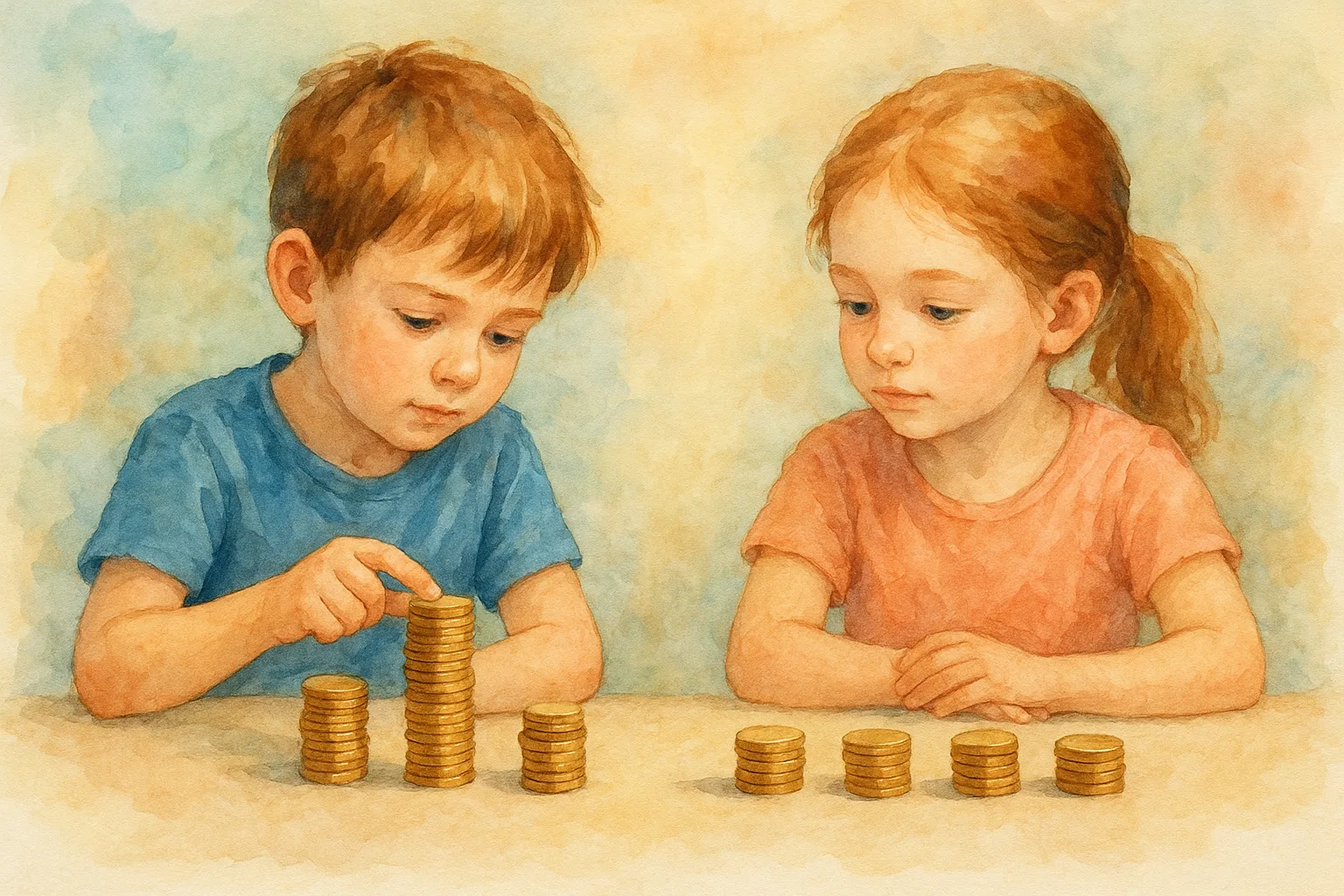
When we talk about money, two important ideas often come up: fairness and equality. Although they sound similar, they mean different things. Understanding these concepts can help children make sense of the world around them and develop their own values.
Let’s break it down:
What is Equality?
Equality means everyone gets the same amount or treatment. Imagine you have three kids and you give each one £10 for their allowance. This is equality because each child receives the same amount of money.
What is Fairness?
Fairness, on the other hand, means giving people what they need to be successful or happy. If one child has a big project due and needs more money for supplies, you might give them £15, while the others still get £10. This is fairness because you are considering each child’s individual needs.
Why Teach Kids About These Concepts?
Learning about fairness and equality can help kids understand important social issues and develop empathy. It can also guide them in making decisions about money and relationships in their lives. Here are some ways parents can introduce these ideas:
Step-by-Step Tips for Teaching Fairness vs Equality
- Start with Simple Examples: Use everyday situations to explain the difference. For instance, when sharing snacks, ask the kids if everyone should get the same amount or if some might need more.
- Use Role-Playing: Create scenarios where kids can role-play different situations. For example, have them act out a shopkeeper deciding how to price items for different customers.
- Discuss Real-Life Scenarios: Talk about news stories or events in your community. Discuss how resources are distributed and whether it seems fair or equal. This helps kids see the real-world applications of these concepts.
- Encourage Questions: Let your children ask questions. This will help them think critically about fairness and equality. For example, why do some people have more money than others?
- Involve Them in Decision Making: When making family decisions about spending, involve your kids. Discuss why you might spend more on one child’s needs over another’s, reinforcing the idea of fairness.
Practical Examples to Illustrate the Concepts
Here are a few more examples that can help clarify the difference:
- School Supplies: If you’re buying supplies for your children, consider what each child needs. One child might need a bigger backpack because they have more books, while another might only need a pencil case.
- Birthday Gifts: When giving gifts, think about what each child would truly appreciate. One child might love a new toy, while another might prefer a book. It’s not about the price but about what is meaningful to each child.
- Helping Others: If a family friend is in need, discuss how the family can help. You can explain that donating money, food, or time can help those who might not have enough, showing fairness in action.
Common Myths About Fairness and Equality
There are several myths that can confuse the understanding of fairness and equality:
- Myth 1: Fairness means everyone gets the same. This is not always true! Sometimes fairness means giving more help to those who need it.
- Myth 2: All people have the same opportunities. In reality, not everyone starts from the same place, and fairness may require providing extra support.
- Myth 3: Being fair is the same as being nice. Fairness can sometimes mean making tough choices that may not feel nice but are just.
Encouraging Empathy and Understanding
As children learn about fairness and equality, they also develop empathy. Encourage them to think about the feelings of others. Ask questions like:
- How would you feel if you received less than your friend?
- What can we do to help someone who is struggling?
These questions will guide them in understanding the importance of looking out for others and making fair choices.
Conclusion
Teaching kids about fairness and equality in money helps them understand the world better. By using simple examples, role-playing, and discussions, you can guide them in making thoughtful decisions. Encourage them to be empathetic and aware of others’ needs, fostering a sense of community and responsibility.
This article provides general educational information only and is not financial advice. Always seek guidance from a qualified professional for personal financial decisions.
Previous: Explaining Why People Have Different Levels of Wealth
Next: How to Answer “Why Can’t We Afford That?”