
Series: The UK Allotment Year
Phase 2: Crop-Specific Growing Guides — Part 18 of 50
This section covers how to grow common UK allotment crops — from potatoes to herbs and soft fruits — including soil tips, spacing, pest control, and harvesting advice.
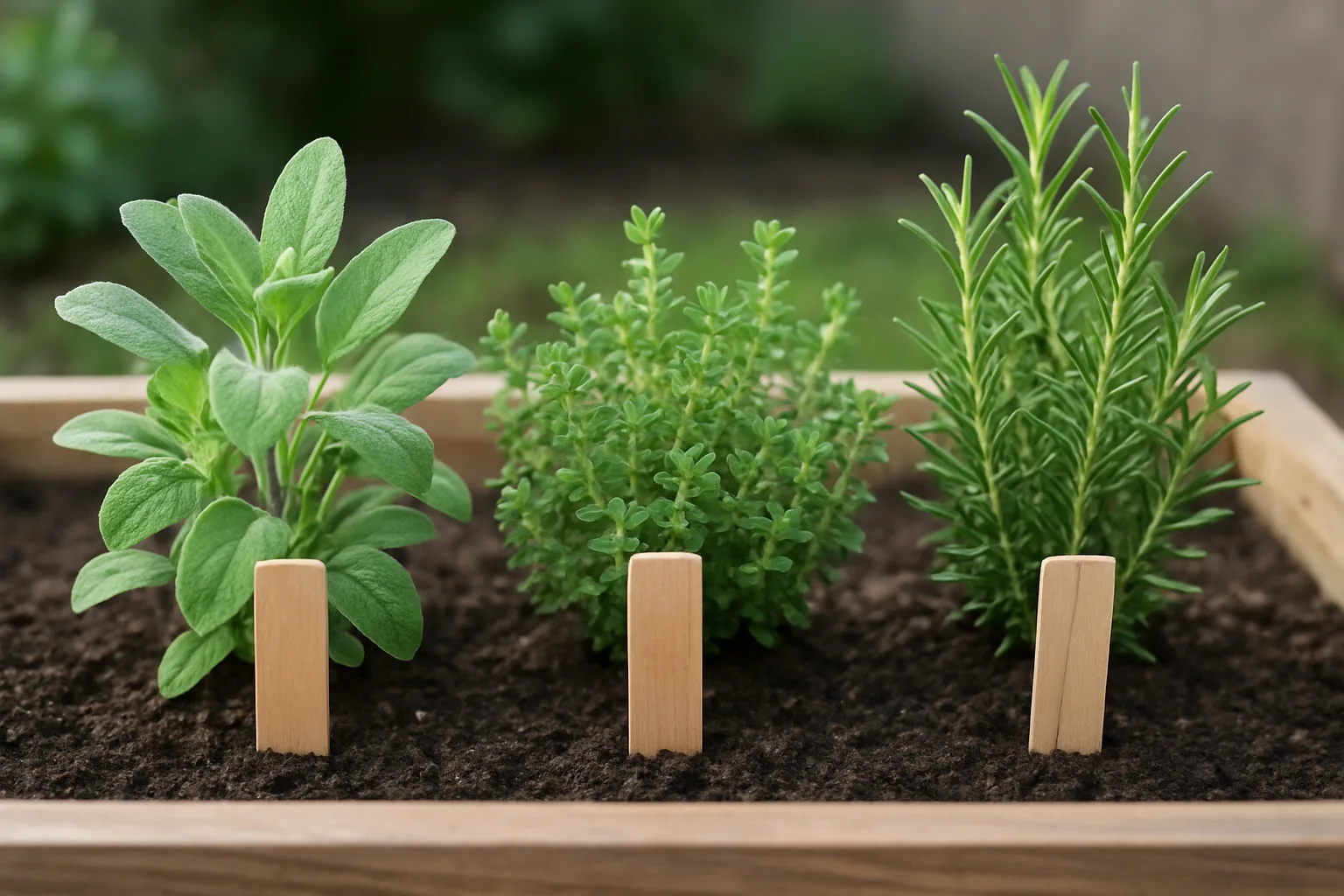
Herb Corners: Growing Sage, Thyme, and Rosemary on the Plot
Spring is the perfect time to establish or refresh your herb corner on the allotment. Sage, thyme, and rosemary are classic Mediterranean herbs that bring wonderful aromas, flavours, and wildlife benefits to your plot. These hardy perennials thrive in well-drained soil and sunny spots, making them ideal for UK conditions. Whether you’re a beginner or keen to improve your herb patch, now is the time to plan, plant, and care for these fragrant favourites.
Why Grow Sage, Thyme, and Rosemary?
- Flavour and fragrance: Add fresh, robust herbs to your cooking all year round.
- Low maintenance: Once established, these herbs need little fuss and water.
- Wildlife friendly: Their flowers attract bees and beneficial insects.
- Long-lasting: Perennials that will come back for several years.
Key Tasks for Growing Your Herb Corner
- Choose the right site: Pick a sunny, sheltered spot with well-drained soil. Avoid heavy clay or waterlogged areas as these herbs dislike wet feet.
- Prepare the soil: Lightly dig over the ground and mix in some organic matter such as well-rotted compost or garden compost to improve drainage and fertility.
- Select healthy plants or seeds: For beginners, buying young plants (plug plants) of sage, thyme, and rosemary from nurseries or reputable suppliers is easiest. You can also start thyme and sage from seed indoors in early spring.
- Planting: Plant young herbs 30-40cm apart to give them room to spread. If growing from seed, sow thyme and sage indoors in trays or modules before gradually hardening off and transplanting outdoors after the last frost (usually late April to early May).
- Watering: Water well after planting and keep soil moist but not soggy until established. Once settled, these herbs prefer drier conditions and only occasional watering in dry spells.
- Feeding: Apply a balanced organic feed or seaweed tonic in spring to encourage fresh growth but avoid overfeeding as this can reduce flavour intensity.
- Pruning: Regularly trim back after flowering to keep plants compact and encourage bushier growth. For rosemary and sage, prune in late summer or early autumn. Thyme can be lightly cut back after flowering during summer.
- Winter protection: Rosemary is the most tender and may need some protection in colder areas. Use horticultural fleece or plant in a sheltered spot near a south-facing wall. Sage and thyme are hardier but benefit from a mulch of garden compost or leaf mould to protect roots.
Tools and Materials
- Hand fork or garden fork (for soil preparation)
- Garden trowel (for planting and transplanting)
- Watering can or hose with gentle rose
- Organic compost or well-rotted garden compost
- Organic balanced fertiliser or seaweed tonic
- Pruning scissors or secateurs
- Horticultural fleece or cloches (optional, for frost protection)
Quick Checklist for This Month
- Choose and prepare a sunny, well-drained site
- Start thyme and sage seeds indoors (if growing from seed)
- Buy healthy young plants if not sowing seeds
- Plant out established plants after last frost
- Water newly planted herbs regularly but avoid waterlogging
- Apply organic feed once plants are established
- Check rosemary for signs of winter damage and protect if needed
Common Mistakes to Avoid
- Planting in shade: Sage, thyme, and rosemary need full sun to thrive and develop strong flavours.
- Poor drainage: Avoid heavy, damp soils which cause root rot and poor growth.
- Overwatering: These Mediterranean herbs dislike wet soil. Water sparingly once established.
- Neglecting pruning: Without regular trimming, plants become leggy and woody, reducing leaf production.
- Feeding too much: Excessive feeding can weaken flavour and make plants more vulnerable to pests.
Next Steps for the Season
Over the coming months, keep a close eye on your herb corner as it establishes. Continue regular watering and start harvesting small amounts of leaves once plants are well grown. Dry or freeze surplus leaves to enjoy year-round. In summer, watch for flowering and prune back to maintain shape. Prepare to protect rosemary again next winter if you live in a colder area. By autumn, your herb patch should be thriving and ready to provide fresh seasoning for many dishes to come.
With just a little care and attention this spring, your sage, thyme, and rosemary plants will become a cherished, productive part of your allotment for years ahead.
Previous: Onions and Shallots: Planting Sets and Harvest Timing
Next: Best Salad Crops for Continuous Harvest