
Series: Finance for Kids
Phase 13: Resources, Environment & Society — Part 156 of 166
Understanding Generational Wealth
Generational wealth refers to assets passed down from one generation to another. This can include money, property, or even valuable knowledge. Talking about this topic with children can help them understand the value of money and the importance of planning for the future.
Why Talk About Generational Wealth?
Discussing generational wealth with kids can instill important values such as responsibility, savings, and the importance of family support. It helps them grasp how financial decisions today can impact their future and the future of their family.
Tips for Talking to Kids About Generational Wealth
1. Start with the Basics
Explain what wealth is in simple terms. You might say, “Wealth is the money and things we have that can help us live well.” Then, introduce the idea of generational wealth by explaining how families can share their resources.
2. Use Real-Life Examples
Relate generational wealth to something familiar. For example, you could share a story about a family heirloom, like a piece of furniture or jewelry, that has been passed down through generations. Explain how this item represents not only value but also family history.
3. Discuss the Importance of Saving
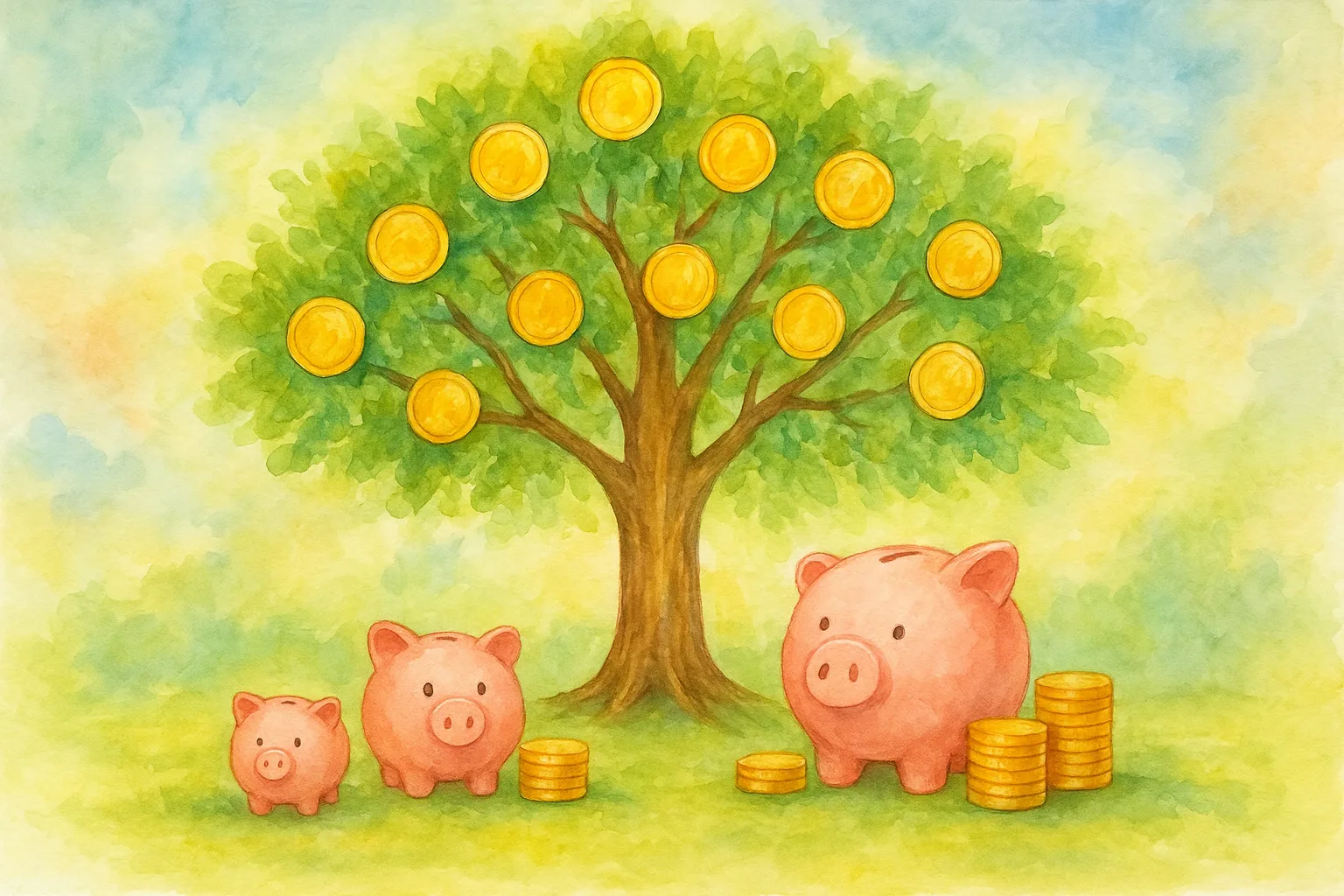
Talk about how saving money can be a way to create wealth for the future. Encourage kids to save a portion of their allowance or money they receive for birthdays. Use a piggy bank or a savings jar to make it visual and fun.
4. Encourage Open Conversations
Invite kids to ask questions. Let them express their thoughts about money, saving, and what they think wealth means. This can be a good opportunity to clear up any misunderstandings.
5. Introduce the Concept of Investment
You can explain that investing is a way to grow wealth. Use simple examples, such as planting a seed. Just like a seed grows into a plant, money can grow when it is invested wisely. However, remember to keep it light and age-appropriate.
6. Discuss the Value of Education
Highlight that knowledge and skills are also forms of wealth. Encourage children to view education as a valuable tool that can lead to better opportunities in the future. You might say, “The more you learn, the more you can earn!”
7. Share Family Stories
Share stories about family members who have made wise financial decisions or have overcome challenges. These narratives can inspire kids and help them see the real-life impact of financial choices.
8. Make It Fun
Use games and activities to make learning about money enjoyable. Play board games that involve money management or create a family budget challenge where everyone can participate. This hands-on approach can reinforce lessons in a fun way.
Common Myths About Generational Wealth
- Myth 1: Only rich families have generational wealth.
- Myth 2: Generational wealth means just having lots of money.
- Myth 3: It’s too complicated to explain to kids.
In reality, generational wealth can be about sharing values, knowledge, and resources, not just financial assets. It’s also important to remember that these discussions can be made simple and relatable for children.
Conclusion
Talking to kids about generational wealth can empower them to make informed financial decisions. By discussing its importance and sharing personal stories, you can help them understand the value of saving, investing, and education. Remember, these conversations can be enjoyable and impactful, setting a strong foundation for their financial future.
This article provides general educational information only and is not financial advice. Always seek guidance from a qualified professional for personal financial decisions.
Previous: Helping Kids Understand That Accidents Cost Money Too
Next: Teaching Kids the Importance of Passing Down Knowledge