
Series: History of Kinnaur, Himachal Pradesh, India
Phase 4: British Period — Part 16 of 30
This article is part of a wider series tracing the transformation of the western Himalayas under colonial influence. As British authority extended into the hills, existing political systems were restructured through treaties, administration, and new forms of governance. This phase considers how colonial rule reshaped society, economy, and space while leaving lasting imprints on local identity.
High Passes Whisper: Kinnaur Before the British
The year is 1815, and snow still lies heavy on the high passes of the Greater Himalaya. Below, the Satluj River thunders through deep gorges, carving its way between towering cliffs and terraced villages. In these valleys, Kinnaur’s people move deliberately—traders, herders, and priests, their lives shaped by seasons and the slow, constant migration of flocks. This is a landscape older than borders, bound by myth and memory, but soon to be mapped by foreign eyes.
Ancient Threads: Oral Traditions and Early Societies
Long before any British surveyor set foot here, Kinnaur was a land of stories. Oral traditions recall the region as the mythical Kinner Desh, home to the semi-divine Kinnauras—beings who sang to the gods and dwelled at the world’s edge. Local bards tell of the Pandavas’ wanderings here, and of hidden valleys offering refuge to sages and exiles.
Yet beneath these tales, historical inference points to a continuity of human presence stretching back millennia. The region’s earliest settlements clustered along the riverbanks, their stone houses clinging to the slopes, each community shaped by its own dialect and ritual. Polyandry, ancestor worship, and a syncretic blend of Hindu and Buddhist beliefs flourished, creating a cultural mosaic as intricate as the kinnauri shawls still woven by hand.
Gateways and Guardians: Trade, Route, and the Rise of Hill States
Kinnaur’s valleys have always been more than remote fastnesses. For centuries, they functioned as corridors between India and Tibet, linking the plains to the high plateau. Traders carried wool, salt, grain, and turquoise across the Shipki La and other passes, braving the elements and the ever-present risk of brigands or rockslides.
Village elders recall how these routes fostered both wealth and wariness. Local chieftains—known in gazetteers as thakurs or ranas—rose to power by guarding, taxing, and sometimes raiding these trade flows. Over time, loose confederations of villages gave way to embryonic hill states such as Bushahr, whose authority waxed and waned with the fortunes of its rulers and the changing tides of Himalayan politics.
Documented political history confirms that by the 17th and 18th centuries, Bushahr’s influence reached deep into Kinnaur, binding disparate communities under its banner, sometimes through diplomacy and sometimes by force. Yet the region’s remoteness and fierce independence ensured that power remained local, negotiated anew each season.
From Myth to Map: Early Encounters and British Curiosity
By the late 18th century, Kinnaur had become a place of growing curiosity for outsiders. Explorers, missionaries, and agents of the East India Company began to hear rumors of a land where Indian and Tibetan worlds met, rich in resources and strategic value. Early British forays were cautious and limited; the region’s difficult terrain, extreme climate, and complex local politics demanded respect.
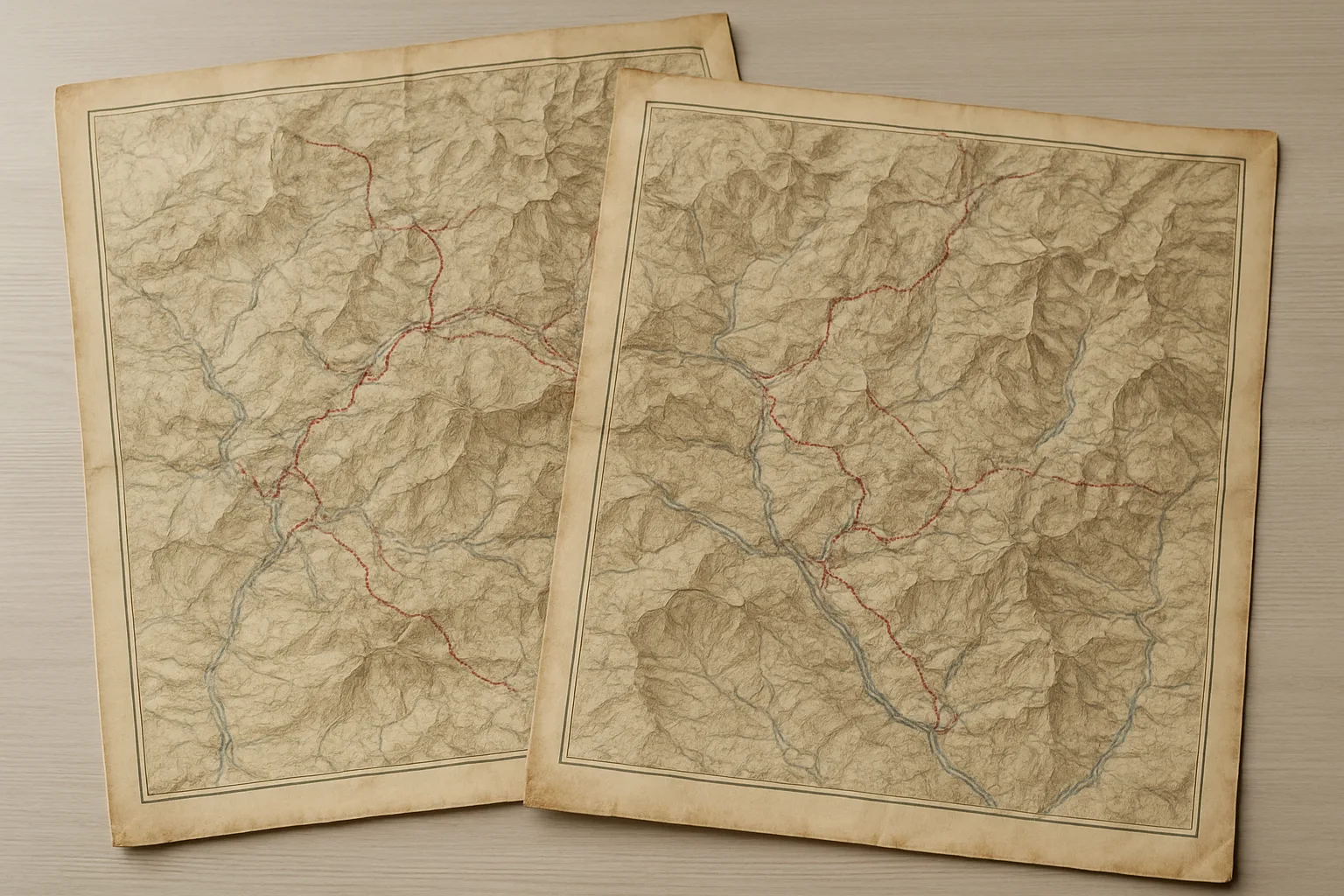
When Captain Alexander Gerard, a Scottish surveyor, crossed into Kinnaur in 1817, he marveled at the isolation and resilience of its people. His journals, later referenced in colonial gazetteers, describe villages perched above the clouds, ancient temples adorned with wooden carvings, and the subtle negotiations required to earn a night’s safe lodging. To the British, Kinnaur was both a riddle and a prize—a borderland to be measured, understood, and eventually controlled.
The Shadow of Empires: Kinnaur at the Crossroads
Even as the British arrived, the shadow of other empires lingered. Tibet to the north, Nepal to the east, and the Sikh kingdom of Punjab to the south all pressed upon Kinnaur’s borders at various times. Oral traditions remember tense standoffs and shifting alliances; historical records show a region adept at playing powerful neighbors against one another, guarding its autonomy through a mix of tribute, negotiation, and defiance.
For Kinnaur’s people, the arrival of the British was at first just another chapter in a long story of outside interest. Yet the British brought something new: an insistence on documentation, taxonomy, and the drawing of fixed boundaries where none had existed before. The old world of shifting frontiers and fluid identities was about to change.
Belief, Identity, and the Land Itself
As the British mapped the region, they encountered not only physical challenges but also cultural ones. Kinnaur’s syncretic belief systems—where Buddhist and Hindu deities shared the same shrines, and local spirits demanded propitiation before any journey—confounded colonial attempts at easy classification. The land was sacred, its spirits alive in every rock and river. Even today, many Kinnauris believe that the land’s ancient guardians still watch the passes.
Early British reports, filtered through the lenses of their own prejudices and preconceptions, often misunderstood these traditions. Yet they also preserved voices and practices that might otherwise have been lost, recording the rituals, festivals, and legends that knit Kinnaur’s communities together.
The Endurance of Roots
Today, the marks of these early encounters remain visible in Kinnaur’s landscape and memory. Stone watchtowers still stand above ancient trade routes; village festivals blend elements introduced by outsiders with customs that stretch back to the dawn of Himalayan settlement. The British entry into the trans-Himalayan border regions was not simply the arrival of new rulers, but the beginning of an era in which Kinnaur’s identity would be debated, documented, and fiercely defended.
As we move forward in this series, the next post will trace how British administration gradually reshaped the region’s political and social fabric, setting the stage for Kinnaur’s modern transformation—yet always in conversation with these deep, enduring roots.
Previous: Architecture of Temples and Monasteries in Kinnaur
Next: Colonial Administration and Border Policies in Kinnaur