
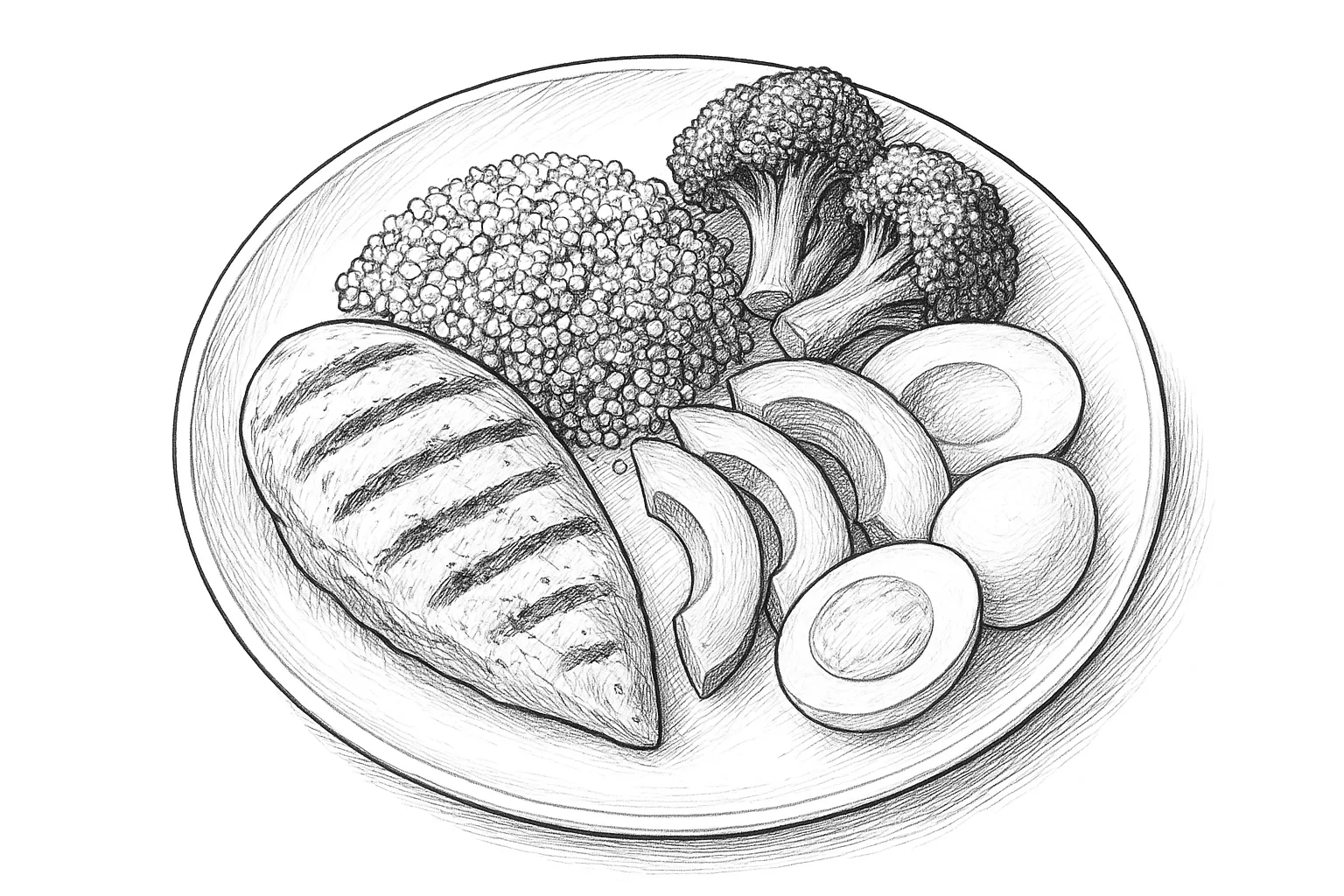
How to Build a Balanced High-Protein Plate
Protein is a vital part of our diet, supporting muscle repair, immune function, and overall wellbeing. But building a balanced high-protein plate isn’t just about piling on meat or supplements. It’s about combining protein sources with other nourishing foods to create meals that fuel your body sustainably and deliciously. Whether you’re an active adult, looking to maintain weight, or simply want a healthier diet, this guide will help you build balanced plates packed with protein and variety.
Why Focus on a Balanced High-Protein Plate?
Protein helps keep you feeling full and satisfied, supports muscle health, and plays a role in many bodily functions. But balance is key. Eating protein alongside vegetables, whole grains, and healthy fats ensures you get a range of nutrients. This also helps maintain steady energy levels and supports digestion.
Step-by-Step Tips to Build Your Protein-Packed Plate
- Choose Your Protein Source Wisely Aim for a high-quality protein source that fits your preferences and dietary needs. Here are some common options:
- Whey Protein: A complete protein from dairy, quickly digested, great after workouts.
- Casein Protein: Also from dairy, digests slowly, ideal for sustained protein supply.
- Soy Protein: Plant-based and complete, suitable for vegetarians and vegans.
- Pea Protein: Plant-based and hypoallergenic, rich in iron and easily digestible.
In a meal, whole food sources like chicken, fish, eggs, legumes, tofu, or tempeh are excellent. Protein powders can supplement but shouldn’t replace balanced meals.
- Fill Half Your Plate with Colourful Vegetables Vegetables add fibre, vitamins, and minerals. They also balance the meal and keep calories in check. Examples include broccoli, spinach, peppers, carrots, and tomatoes.
- Add Whole Grains or Starchy Vegetables A quarter of your plate should be whole grains like brown rice, quinoa, or whole-wheat pasta, or starchy vegetables such as sweet potatoes. These provide energy and fibre to support digestion.
- Include Healthy Fats Healthy fats from sources like olive oil, nuts, seeds, or avocado help absorb fat-soluble vitamins and add flavour and satisfaction.
- Watch Portion Sizes and Variety Aim for about 20–30 grams of protein per meal, depending on your activity level and goals. Vary your protein sources across the week to enjoy different nutrients and tastes.
Balancing Different Protein Sources on Your Plate
Understanding the qualities of different protein types helps you build a varied, balanced diet:
- Whey vs Casein: Whey is fast-absorbing, making it ideal for quick recovery. Casein digests slower, so it can help keep you full longer. Both are dairy proteins and contain all essential amino acids.
- Soy vs Pea Protein: Both are plant-based and good alternatives for those avoiding dairy. Soy is a complete protein, while pea protein is rich in certain amino acids and is gentle on digestion. Combining pea protein with other plant foods can ensure a complete amino acid profile.
Whole food options such as lentils, chickpeas, nuts, seeds, eggs, poultry, and fish each bring unique nutrients alongside protein. For instance, oily fish add omega-3 fats, while legumes offer fibre.
Common Myths About High-Protein Eating
- Myth: Eating a lot of protein is bad for your kidneys. For healthy individuals, moderate high-protein diets are generally safe. However, those with kidney problems should follow medical advice.
- Myth: You need protein immediately after exercise for muscle gain. While protein after exercise helps recovery, total daily protein intake is more important than exact timing for most people.
- Myth: Only animal proteins are complete. Many plant proteins, including soy and quinoa, are complete. Combining different plants also provides all essential amino acids.
- Myth: Protein powders are necessary to meet protein needs. Most people can meet protein requirements with whole foods if meals are balanced.
Practical Ideas for Balanced High-Protein Plates
- Grilled chicken breast with quinoa, steamed broccoli, and a drizzle of olive oil.
- Stir-fried tofu with mixed vegetables and brown rice topped with sesame seeds.
- Salmon fillet with sweet potato mash and sautéed spinach.
- Chickpea salad with tomatoes, cucumber, avocado, and a lemon-tahini dressing.
- Omelette with mushrooms, peppers, and a side of wholegrain toast.
Tips for Sustainable Protein Habits
- Plan meals ahead: This helps include protein and balance consistently.
- Cook in batches: Prepare protein sources like beans or grilled chicken in advance.
- Experiment with plant proteins: Lentils, beans, peas, and soy products are nutritious and budget-friendly.
- Mix protein sources: Combining animal and plant proteins can be both enjoyable and nutritionally smart.
- Hydrate well: Drinking enough water supports protein metabolism.
Conclusion
Building a balanced high-protein plate is about more than just protein quantity. It’s about combining diverse protein sources with vegetables, whole grains, and healthy fats to nourish your body fully. By choosing from whey, casein, soy, pea, and whole foods, you can enjoy satisfying, varied meals that support your health sustainably. Remember, balance, variety, and moderation are your best friends for lasting wellbeing.
This article provides general educational information only and is not a substitute for professional medical advice. Always consult a qualified healthcare professional for personal guidance.