
Series: History of Kullu, Himachal Pradesh, India
Phase 4: British Period — Part 16 of 30
This article is part of a wider series tracing the transformation of the western Himalayas under colonial influence. As British authority extended into the hills, existing political systems were restructured through treaties, administration, and new forms of governance. This phase considers how colonial rule reshaped society, economy, and space while leaving lasting imprints on local identity.
The Dawn of a New Order
The year is 1846. Mist shrouds the emerald slopes of Kullu Valley as a small British column winds its way through the pine forests above the Beas River. The air brims with anticipation and unease. For centuries, these hills have been ruled by their own rajas, shaped by their own legends. Now, the distant drumbeat of empire echoes between the peaks, and the valley stands on the threshold of irrevocable change.
Ancient Roots and Living Myths
Long before the British arrival, Kullu was a land where myth and memory entwined. Local bards recounted the exploits of the Pandavas and the wanderings of sages. Oral traditions told of Manu, the flood-survivor, descending to these valleys to repopulate the world. The hillfolk revered the valley’s deities—Raghunathji, Hidimba Devi, Jamlu Devta—each with their own legends and festivals, their shrines scattered along hidden paths.
Yet, beneath the tapestry of story, historical inference offers glimpses of an evolving society. Archaeological finds—carved stones, coins, and weathered copper plates—hint at early settlements clustered near riverbanks, where the land was kind and the waters generous. The earliest references to Kullu appear in Sanskrit texts and the Rajatarangini, suggesting a region already woven into Himalayan trade and pilgrimage routes by the first millennium CE.
Emergence of Hill States and Early Polities
By the medieval period, the Kullu Valley had crystallized into a small principality, its rulers tracing their descent from legendary forebears. The Kullu rajas held sway over a patchwork of villages, each with its own thakur or rana, and each bound by ties of allegiance and rivalry. The valley’s political history is vividly preserved in regional gazetteers and the chronicles of neighboring hill courts.
Kullu’s strategic position along the trans-Himalayan routes—from the Punjab plains to Ladakh and Tibet—brought wealth and vulnerability. Trade in wool, salt, and Tibetan goods flourished. Caravans wound up the rocky passes, stopping at bustling bazars in Naggar, Sultanpur, and Manali. But prosperity also attracted the ambitions of Gorkha invaders, the Sikh empire, and, eventually, the British.
Communities and Belief Systems in Flux
On the eve of British intrusion, Kullu was home to a mosaic of communities: Rajputs in the upper echelons, Brahmins and Thakurs holding ritual authority, and a network of artisans, shepherds, and traders. The Doms and Kanets tilled the terraced fields, while the Gaddis and Gujjars roamed with their flocks. Despite periodic outbreaks of violence and famine, the valley’s social order proved remarkably resilient, anchored by communal festivals and the mediation of local deities.
Religion in Kullu was both deeply local and subtly cosmopolitan. The annual Dussehra festival drew pilgrims from distant states, while Buddhist influences filtered in from Lahaul and Spiti. Temples doubled as centers of justice and governance. The belief in sacred groves and taboo forests shaped how land was used and what could be built, lending the region a unique environmental ethic.
The Shadow of Empires: From Sikhs to the British
The early 19th century saw Kullu caught between stronger neighbors. After the decline of the Mughal power in North India, Maharaja Ranjit Singh’s Sikh Empire extended its reach into the hills. Kullu’s raja became a tributary, forced to send annual gifts and accept Sikh garrisons. The Sikhs, however, found the rugged terrain difficult to control, and their rule proved brief but disruptive.
With the First Anglo-Sikh War (1845–46), the British East India Company entered the Himalayan stage. The Treaty of Lahore ceded vast tracts of Sikh-held territory to the British, including the hill states. British officers, guided by seasoned Indian intermediaries, arrived in Kullu to survey, document, and report. For the first time, the valley’s fate was being decided in distant boardrooms and by men who had never heard its legends or walked its forests.
First Encounters: British Eyes on the Valley
Early British accounts—scribbled in travelogues and district reports—are thick with fascination and misunderstanding. Officers like Major Hay and Captain Harcourt described Kullu as a land suspended between medieval custom and primeval wilderness. The people, they wrote, were “frank and independent, yet steeped in superstition.” The landscape, with its “impenetrable forests and crystal streams,” seemed both inviting and forbidding.
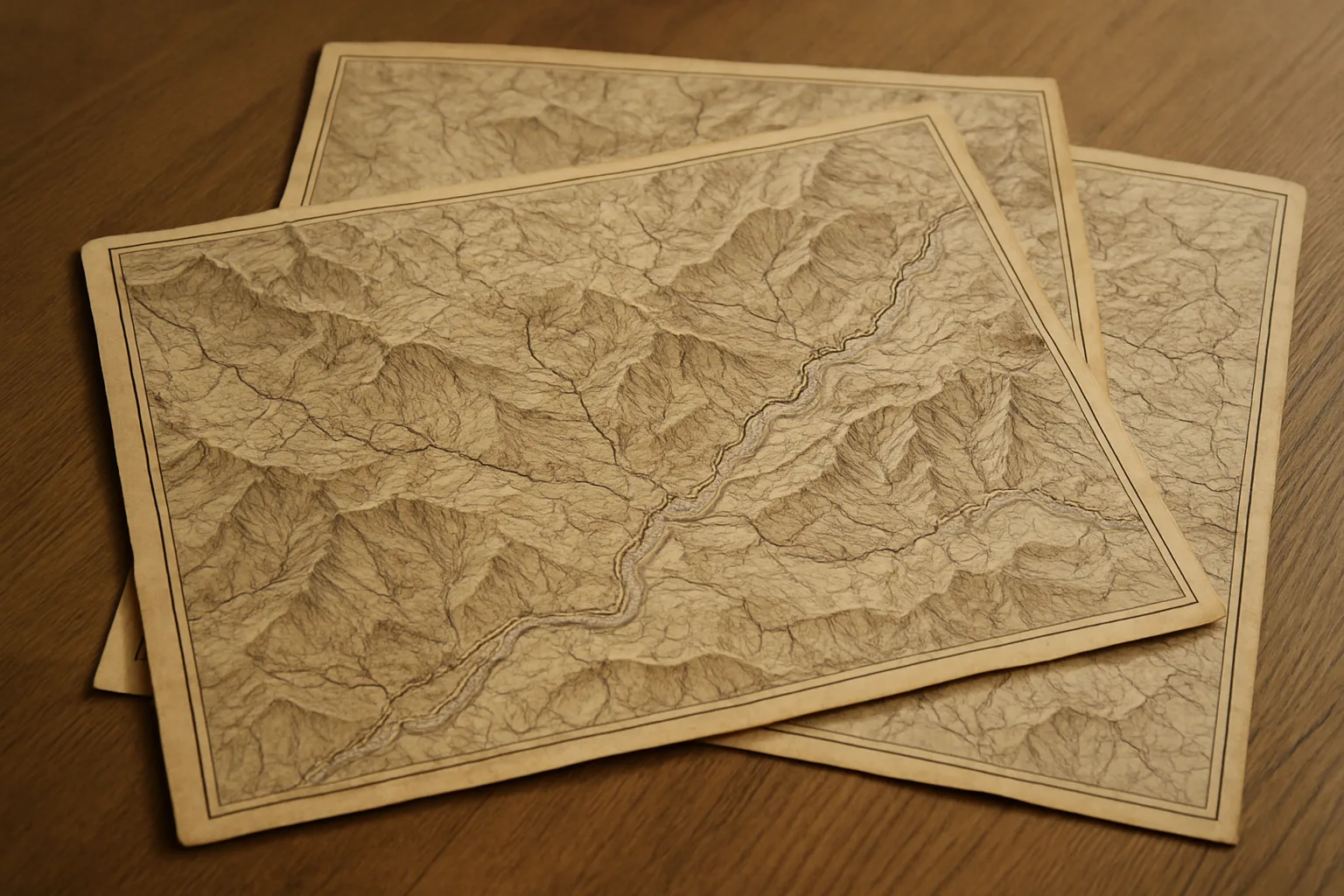
The British approach was cautious. Rather than annexing Kullu outright, they left the raja in place as a tributary, subject to Company oversight. Colonial administrators began to record landholdings, tax structures, and village festivals. Maps were drawn. Roads and rest houses followed, slowly knitting Kullu into the administrative circuits of British India.
Churning of Traditions and the Threshold of Change
The British entry did not erase centuries of tradition overnight. For a time, the old and new orders coexisted uneasily. Royal processions continued, temple bells rang, and sacred groves were respected. Yet, the valley’s autonomy slipped away, replaced by distant regulations and unfamiliar officials. The first British census classified people into rigid categories, and the rhythms of life began to shift. New crops were encouraged, forests were surveyed for timber, and the ancient trade routes faced bureaucratic obstacles.
The people of Kullu, shaped by generations of resilience, adapted as best they could. Some local elites found opportunity in the colonial system; others resisted or retreated into the high valleys. The memory of these years—of lost independence, but also of survival and adaptation—remains woven into the valley’s identity.
Echoes of the Past in Today’s Kullu
Walk the streets of Kullu today, and the layers of its history are still visible. The old raja’s palace stands beside colonial-era bungalows. Dussehra draws crowds from around the world, yet the ancient deities preside as they have for centuries. The pine forests and terraced fields echo with stories of both conquest and continuity.
The British entry into Kullu was not just a moment of conquest—it was a turning point, setting the stage for new challenges and negotiations. In our next post, we’ll follow the valley through the deeper currents of colonial administration, and the complex dance between resistance and adaptation that shaped modern Kullu.
Previous: Folk Music, Dance, and Cultural Identity of Kullu
Next: Colonial Administration and Revenue Systems in Kullu