
Series: Finance for Kids
Phase 12: Mistakes, Borrowing & Confidence — Part 135 of 166
Understanding Regret in Purchases
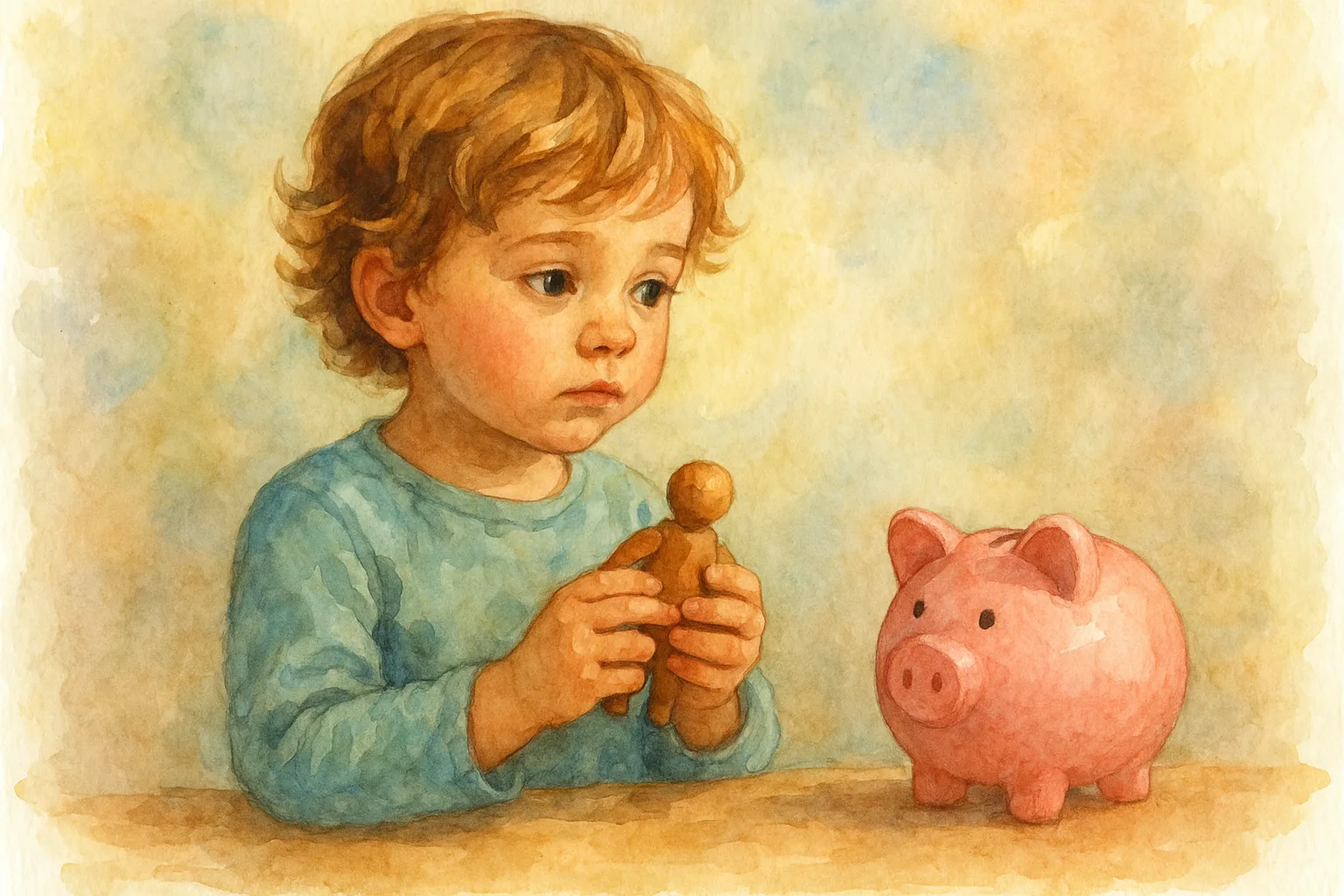
Every child loves to buy new things, whether it’s a toy, a game, or a trendy piece of clothing. However, sometimes they may feel regret after a purchase. This is a normal feeling, and it can be turned into a valuable lesson about money management.
Why Do Kids Regret Purchases?
There are many reasons why children may regret a purchase:
- Impulse Buying: Kids often buy things on a whim without thinking about whether they really need it.
- Peer Pressure: They may feel they need to buy something to fit in with friends.
- Misunderstanding Value: Children might not fully grasp the value of money and what it means to spend it wisely.
Turning Regret into a Learning Opportunity
When your child expresses regret over a purchase, it’s a chance for you to help them learn and grow. Here are some steps you can take:
1. Start a Conversation
Ask your child how they feel about their purchase. Open-ended questions can help them express their feelings and thoughts. For instance:
- “What do you think about the item now?”
- “Did it meet your expectations?”
2. Discuss the Decision-Making Process
Talk through the decision they made before buying. This can help them reflect on their process:
- “What made you want to buy it?”
- “Did you think about how much it costs?”
Encourage your child to think critically about their choices.
3. Explore Alternatives
Discuss what they could have done differently. This might include:
- Waiting a day to think about the purchase.
- Making a list of pros and cons before buying.
These alternatives can help them make better decisions in the future.
4. Reflect on the Feelings
Help your child understand that it’s okay to feel regret. Everyone makes mistakes, and feelings are part of learning. Encourage them to express their emotions and validate their feelings.
5. Find a Solution
Discuss what they can do next. Depending on the situation, this could be:
- Returning the item if possible.
- Finding a way to enjoy it despite their feelings of regret.
- Saving money to buy something they truly want later.
6. Reinforce Positive Money Habits
Use this experience to teach your child about budgeting and saving. Explain how saving a little each week can help them afford something they really want in the future. You might say, “If you save your pocket money for a few weeks, you can buy that video game you’ve been wanting!”
Common Myths About Regretting Purchases
It’s important to clear up some myths surrounding kids and money:
- Myth 1: Regret means they shouldn’t spend money at all.
- Truth: Regret can be a sign of growth. It’s part of learning to manage finances.
- Myth 2: Talking about money is boring.
- Truth: Money discussions can be fun and engaging, especially when they involve real-life situations.
Conclusion
When children regret a purchase, it’s a wonderful opportunity to teach them about money management. By guiding them through their feelings and decisions, you can help them learn valuable lessons that will last a lifetime. They will appreciate the importance of making informed choices and understanding the value of their money.
This article provides general educational information only and is not financial advice. Always seek guidance from a qualified professional for personal financial decisions.
Previous: Helping Kids Learn From Overspending
Next: Teaching Kids About Borrowing in a Safe Way