
Are High-Protein Breakfasts Better for Weight Loss?
Weight loss is a common goal for many people, and breakfast is often called the most important meal of the day. But is a high-protein breakfast truly better for weight loss? Let’s explore the role protein plays in your morning meal, how it might support your goals, and practical ways to make your breakfasts healthier and more satisfying.
Why Consider Protein at Breakfast?
Protein is a key nutrient that contributes to many bodily functions, including muscle repair, enzyme production, and hormone regulation. It also influences feelings of fullness or satiety, which can help control appetite throughout the day. This is why a breakfast rich in protein might be beneficial if you’re trying to lose weight.
Compared to carbohydrates and fats, protein has a higher thermic effect of food (TEF). This means your body uses more energy to digest and process protein, potentially boosting your metabolism slightly. Additionally, protein can help preserve lean muscle mass when losing weight, which is important for maintaining a healthy metabolic rate.
What Does Research Say About High-Protein Breakfasts and Weight Loss?
Several studies suggest that eating a high-protein breakfast may help reduce overall calorie intake during the day by making you feel fuller for longer. For example, choosing eggs or Greek yoghurt over sugary cereals can reduce cravings and snacking later.
However, it’s important to remember that weight loss ultimately depends on creating a calorie deficit—burning more energy than you consume. A high-protein breakfast can be a helpful tool, but it’s only one part of a balanced diet and active lifestyle.
How to Build a High-Protein Breakfast
If you want to try increasing protein at breakfast, here are some practical and sustainable ways to do it:
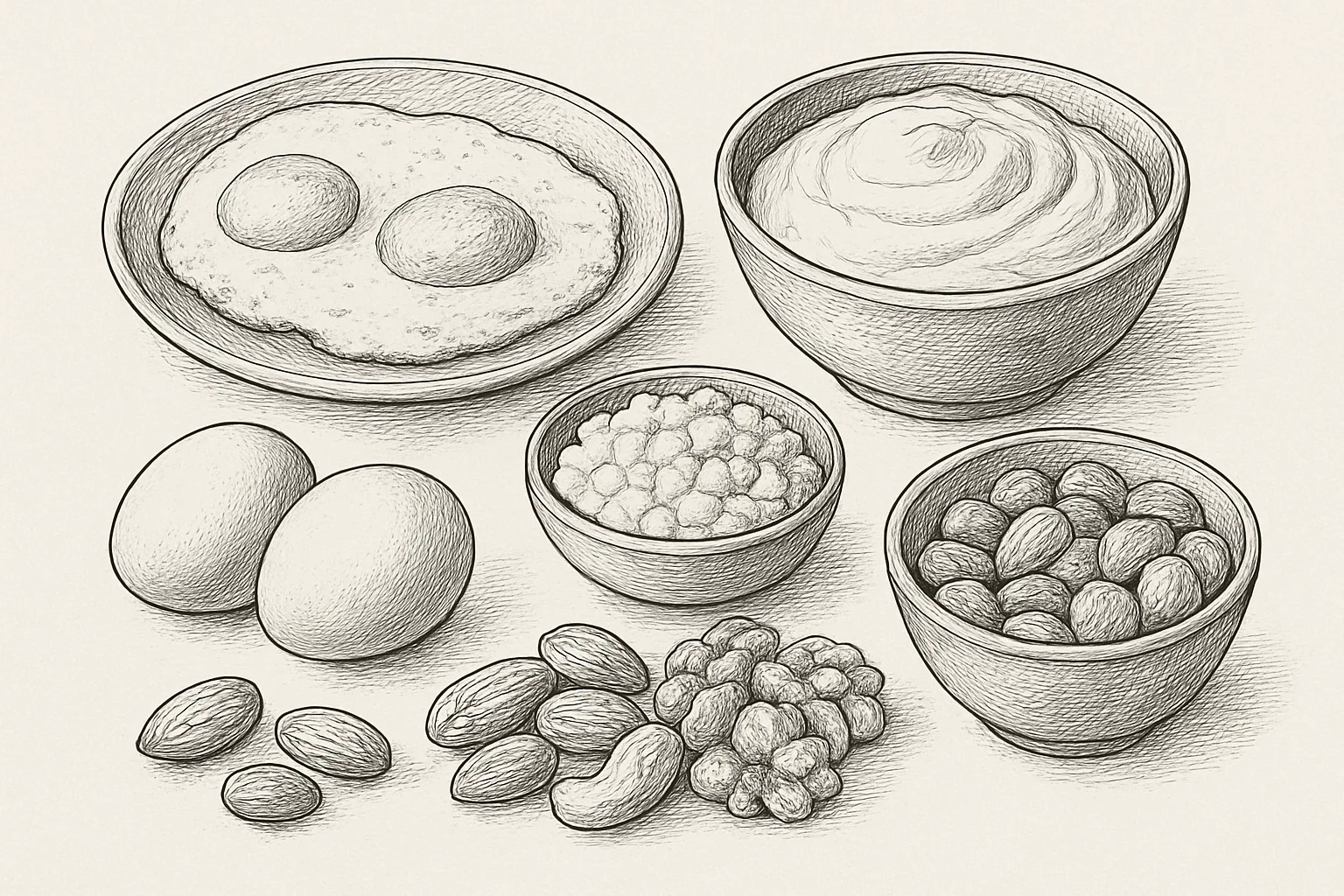
- Include eggs: Whether boiled, scrambled, or poached, eggs are a great source of high-quality protein and versatile in many recipes.
- Try dairy options: Greek yoghurt and cottage cheese offer more protein than regular yoghurt or milk and can be combined with fruits and nuts.
- Add plant-based proteins: Beans, lentils, or tofu can be part of savoury breakfasts, especially if you prefer a vegan or vegetarian diet.
- Choose whole grains: While not as high in protein as animal or some plant sources, whole grains like oats contribute some protein and fibre, helping you feel full.
- Use nuts and seeds: Adding almonds, chia seeds, or flaxseeds to your breakfast can boost protein and healthy fats.
For example, a balanced, high-protein breakfast could be scrambled eggs with spinach and wholegrain toast, or Greek yoghurt topped with berries and a sprinkle of nuts.
Step-by-Step Tips for Incorporating More Protein at Breakfast
- Assess your current breakfast: What do you usually eat? Identify where protein is missing or low.
- Start small: Add a boiled egg or a spoonful of Greek yoghurt to your usual meal.
- Plan ahead: Preparing ingredients the night before can make it easier to choose protein-rich options in the morning.
- Mix and match: Combine protein sources with whole grains and fruits for a balanced meal.
- Listen to your body: Notice how you feel after different breakfast types – energy levels, fullness, and mood.
Common Myths About High-Protein Breakfasts and Weight Loss
- Myth 1: Eating more protein means automatic weight loss. Protein helps with fullness and muscle retention, but it won’t cause weight loss by itself. Total calorie intake and activity matter most.
- Myth 2: High-protein breakfasts have to be all meat or dairy. There are many plant-based protein options like beans, lentils, nuts, and seeds that can be equally effective.
- Myth 3: Eating lots of protein at breakfast is unsafe. For most healthy adults, a moderate increase in protein is safe and beneficial. Extreme protein intakes over long periods should be avoided.
- Myth 4: You must eat breakfast every day for weight loss. Some people prefer to skip breakfast or have different eating patterns. What matters is what suits your lifestyle and helps you maintain a healthy balance.
Balancing Protein with Other Nutrients
A high-protein breakfast should also include fibre, healthy fats, and micronutrients to support overall health and sustained energy. For example, pairing eggs with vegetables adds fibre and vitamins, while nuts provide good fats.
Avoid breakfasts high in added sugars or processed foods, which can cause blood sugar spikes and energy crashes. Instead, focus on whole, minimally processed foods to nourish your body.
Practical Ideas to Try Today
- Overnight oats with Greek yoghurt and chia seeds
- Wholegrain toast with smashed avocado and a poached egg
- Vegetable and bean breakfast burrito with a wholegrain wrap
- Smoothie with pea protein powder, spinach, banana, and almond milk
- Cottage cheese with sliced tomatoes and herbs
Conclusion
High-protein breakfasts can be a helpful part of a weight loss plan because they promote satiety, support muscle health, and may reduce overall calorie intake. However, they are not a magic solution on their own. A balanced, varied diet combined with regular physical activity and mindful eating habits will provide the best results for sustainable weight management.
Start by making small changes to your breakfast routine, focusing on whole foods and a mix of protein, fibre, and healthy fats. Remember, the best approach is one you can enjoy and maintain long term.
This article provides general educational information only and is not a substitute for professional medical advice. Always consult a qualified healthcare professional for personal guidance.