
Series: Finance for Kids
Phase 9: Entrepreneurship & Business Basics — Part 105 of 166
Helping Kids Market Their Mini Business
Starting a mini business can be an exciting adventure for kids! It’s a chance for them to learn about responsibility, creativity, and how to earn money. But just having a great idea isn’t enough. Kids need to know how to get the word out and attract customers. Here are some simple and fun steps to help kids market their mini business effectively.
Step 1: Understand the Product or Service
The first step is to help your child clearly understand what they are selling. Ask them to describe their product or service in simple words. For example, if they are selling cookies, they could say, “I make yummy chocolate chip cookies.” Encourage them to think about what makes their offering special. Is it the taste, the freshness, or maybe the fun shapes?
Step 2: Identify the Target Audience
Next, it’s important to know who might want to buy their product. Discuss with your child who their ideal customer is. Are they selling to friends, family, or neighbours? Understanding their audience will help your child tailor their marketing efforts. For example, if they are selling handmade friendship bracelets, their friends might be the best customers!
Step 3: Create a Marketing Plan
Once they know what they are selling and to whom, it’s time to create a marketing plan. Here are a few ideas:
- Word of Mouth: Encourage your child to tell family and friends about their mini business. They can even ask their friends to spread the word!
- Flyers: Help them design simple flyers to share around the neighbourhood. They can include pictures of their product, prices, and how to order.
- Social Media: If appropriate, use family social media accounts to post about their business. They can share pictures and videos of their products in action.
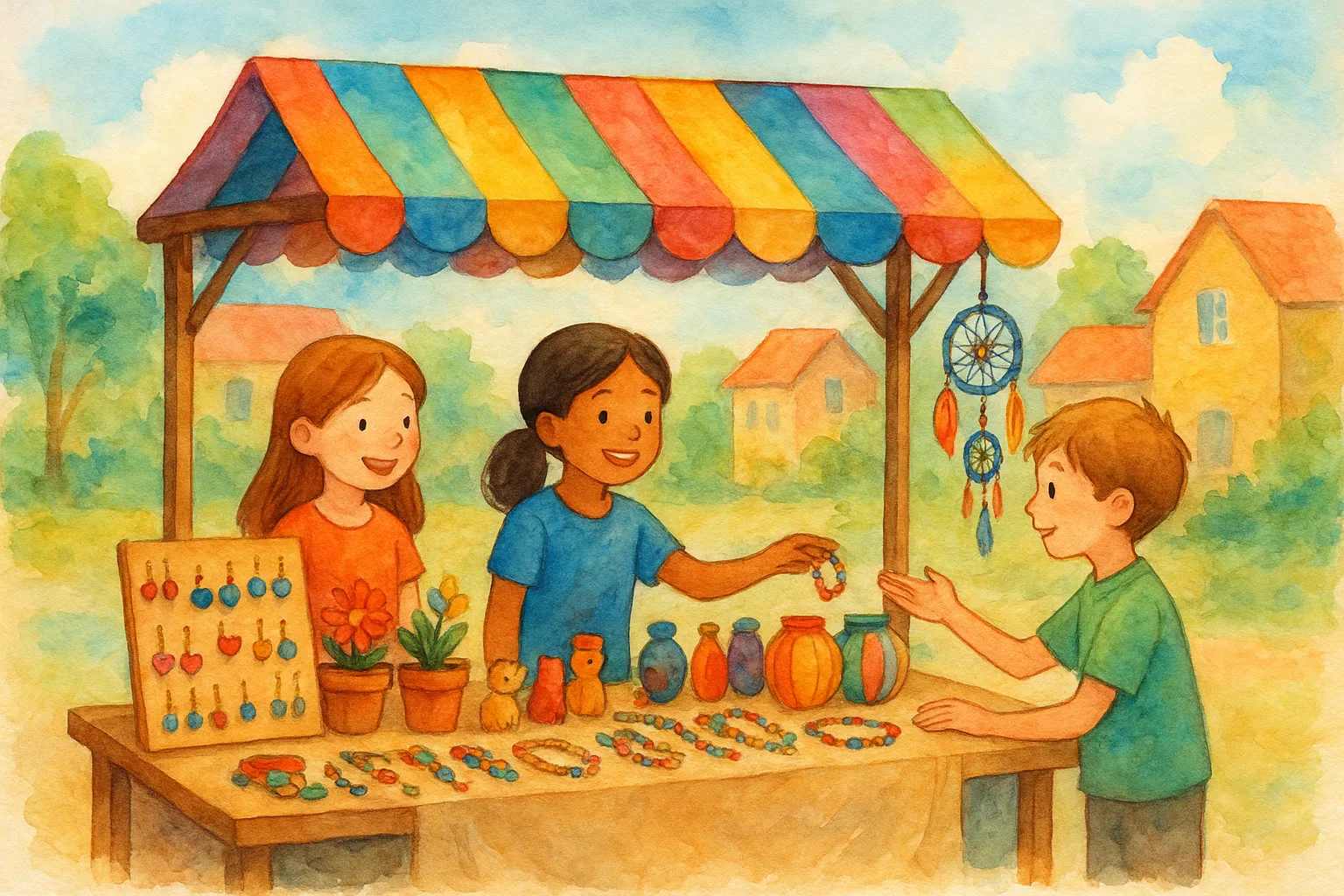
- Events: If there are local events or markets, see if your child can set up a stall. This is a great way to meet potential customers!
Step 4: Be Creative
Encouraging creativity can set their business apart. Help your child think of fun and unique ways to market their product. Here are a few ideas:
- Packaging: Creative packaging can make their product more appealing. For instance, they could use colourful bags or boxes for their baked goods.
- Samples: Offering small samples can attract customers. If they bake cookies, they could offer a free cookie with every purchase!
- Special Offers: Discounts or “buy one, get one free” can encourage people to try their products.
Step 5: Engage with Customers
Once they start getting customers, it’s crucial to engage with them. Teach your child the importance of good customer service. Here are some tips:
- Be Friendly: Encourage your child to greet customers with a smile and thank them for their support.
- Ask for Feedback: They can ask customers what they liked and if there’s anything they would change. This helps them improve their business!
- Follow Up: If they have contact details, a quick thank-you message after a sale can go a long way in building relationships.
Common Myths About Marketing
There are some common myths about marketing that might confuse kids. Here are a few to clarify:
- Myth 1: You need a lot of money to market your business. Fact: There are many ways to promote a business that don’t cost much, like word of mouth and social media.
- Myth 2: Marketing is only for big businesses. Fact: Every business, no matter how small, can benefit from marketing.
- Myth 3: If you build it, they will come. Fact: Just having a product isn’t enough; you need to let people know about it!
Conclusion
Helping kids learn how to market their mini business can be a fun and rewarding experience. By guiding them through understanding their product, identifying their audience, and creating a simple marketing plan, you’re equipping them with valuable skills. Remember, the key is to encourage creativity and engagement with customers. With your support, they can learn to promote their ideas and enjoy the process of entrepreneurship!
This article provides general educational information only and is not financial advice. Always seek guidance from a qualified professional for personal financial decisions.
Previous: Understanding Supply and Demand in Child-Friendly Terms
Next: How to Teach Kids About Customer Service