
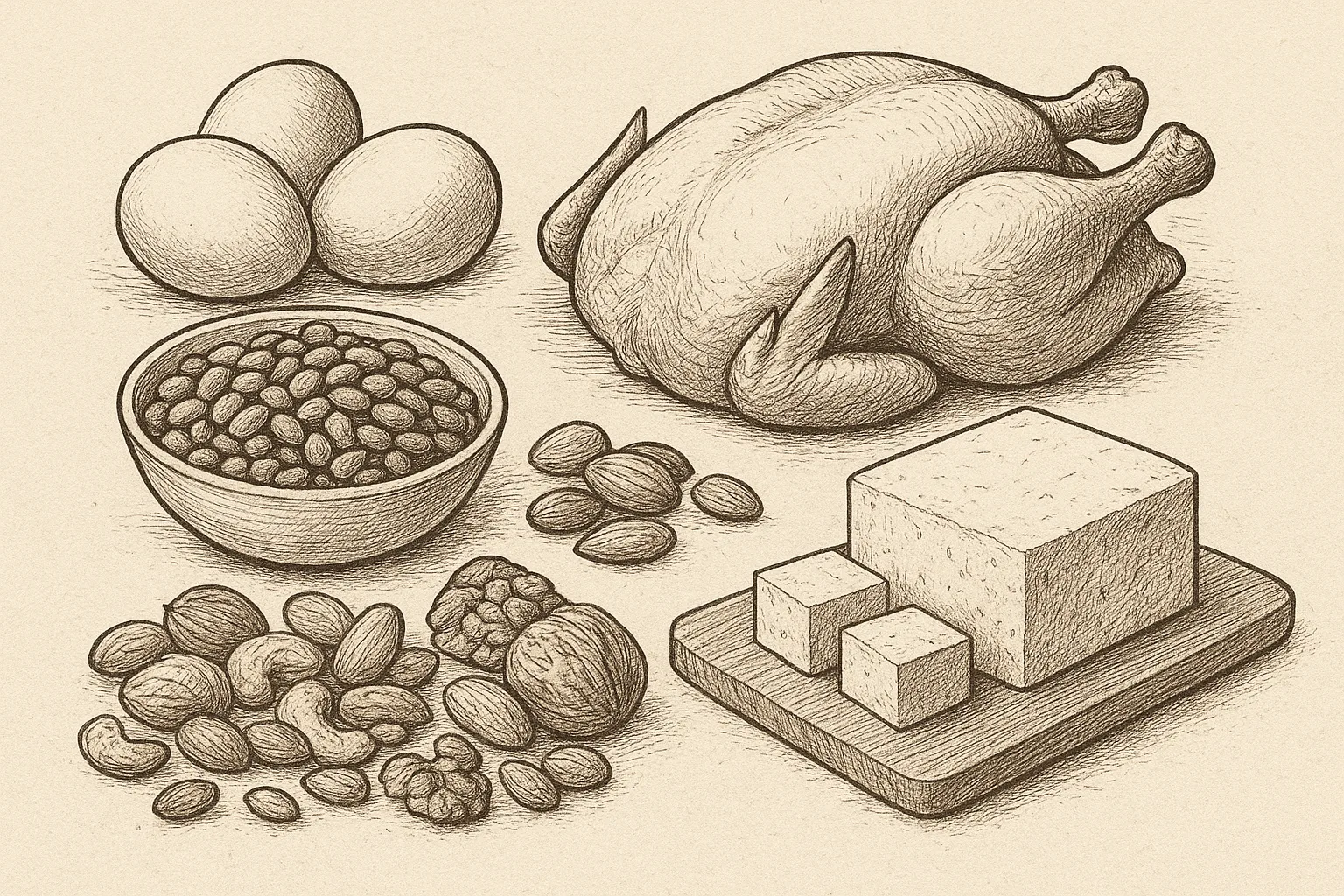
Protein Habits: Small Daily Tweaks That Add Up
Protein is an essential part of a balanced diet, helping to support muscle health, energy levels, and overall wellbeing. But it’s not always easy to know how to include enough protein in your daily meals — or what types to choose. The good news? You don’t need drastic changes or complicated diets to build healthier protein habits. Small, sustainable tweaks each day can make a big difference over time.
Why Protein Matters for Your Health
Protein provides the building blocks your body needs for repairing tissues, producing enzymes, and supporting immune function. It also helps you feel fuller for longer, which can aid in maintaining a healthy weight. For adults, spreading protein intake evenly throughout the day can support muscle maintenance and steady energy.
Simple Daily Protein Tweaks to Try
- Start Your Day with Protein: Instead of just toast or cereal, add an egg, some Greek yoghurt, or a handful of nuts to your breakfast. This can help keep you satisfied and less likely to snack before lunch.
- Include Protein at Every Meal: Aim to add a source of protein to your lunch and dinner. This could be lean meats like chicken or turkey, fish, eggs, or plant-based options like beans, lentils, tofu, or chickpeas.
- Snack Wisely: Swap sugary or carb-heavy snacks for protein-rich options such as a small portion of cheese, a boiled egg, or a smoothie made with pea or soy protein powder.
- Use Protein Powders Thoughtfully: If you find it hard to get enough protein from food alone, powders like whey, casein, soy, or pea can be convenient. Whey is quickly absorbed and great post-exercise, casein digests slowly, making it ideal before bed, while soy and pea are excellent plant-based alternatives.
- Mix Protein Sources: Combining animal and plant proteins can provide a wider range of amino acids and nutrients. For example, add beans to a chicken salad or tofu to a vegetable stir-fry.
- Plan Meals Ahead: Preparing meals in advance ensures you have protein-rich options ready, helping you avoid less nutritious convenience foods.
Comparing Protein Types: Whey, Casein, Soy, and Pea
When choosing protein sources, it can help to understand the differences between popular options like whey, casein, soy, and pea proteins.
- Whey Protein: Derived from milk, whey is a complete protein that digests quickly. It’s popular among active people who want to support muscle recovery after exercise.
- Casein Protein: Also milk-derived, casein digests more slowly, providing a steady release of amino acids. It’s often consumed before sleep to aid overnight muscle repair.
- Soy Protein: A plant-based complete protein derived from soybeans, soy is a versatile option for vegetarians and vegans. It contains beneficial compounds called isoflavones.
- Pea Protein: Another plant-based option, pea protein is hypoallergenic and digests moderately quickly. It’s rich in iron and works well in shakes and baking.
Each protein type has its benefits, so choosing one depends on your dietary preferences, digestion, and lifestyle. Mixing different sources can also keep your meals interesting and nutritionally balanced.
Myths About Protein to Ignore
- Myth: You Need Massive Amounts of Protein Daily. While protein is important, most adults can meet their needs with moderate portions spread through the day. Excessive intake doesn’t necessarily bring extra benefits.
- Myth: Only Athletes Need Protein Supplements. While supplements can be helpful, many people get enough protein from everyday foods. Supplements are just one option, not a requirement.
- Myth: Plant Proteins Aren’t Complete. Some plant proteins lack certain amino acids, but eating a varied plant-based diet can provide all essential amino acids without issue.
- Myth: Protein Makes You Gain Weight. Protein itself doesn’t cause weight gain; it’s excess calories overall that do. Protein can even help maintain a healthy weight by supporting satiety.
Practical Tips for Long-Term Success
- Be Consistent: Try to make protein a regular part of every meal and snack, rather than occasionally focusing on it.
- Listen to Your Body: Notice how different protein sources make you feel and adjust accordingly to find what suits you best.
- Keep Variety in Mind: Rotate between different protein foods to benefit from diverse nutrients and keep meals enjoyable.
- Cook Simply: Preparing protein foods doesn’t need to be complicated — grilled chicken, boiled eggs, or tossed beans make quick, nutritious bases.
- Stay Hydrated: Drinking enough water supports metabolism and digestion, including how your body handles protein.
Conclusion
Building better protein habits doesn’t mean overhauling your whole diet overnight. By making small, sustainable tweaks—like adding protein to breakfast, choosing balanced snacks, and mixing different protein sources—you can support your health in a simple, realistic way. Whether you prefer plant or animal proteins, or a mix of both, consistency and variety are key. These small daily habits add up, helping you feel more energised, satisfied, and supported in your wellbeing journey.
This article provides general educational information only and is not a substitute for professional medical advice. Always consult a qualified healthcare professional for personal guidance.