
Series: Finance for Kids
Phase 9: Entrepreneurship & Business Basics — Part 103 of 166
Understanding Pricing for Kids
Teaching kids how to price their products fairly is a valuable lesson that can help them understand the value of money and encourage their entrepreneurial spirit. Whether they are making homemade crafts, baked goods, or offering services like dog walking, knowing how to set the right price is essential.
Why Pricing Matters
Pricing is not just about putting a number on a product. It reflects the value of what they are selling, how much it costs to make, and how much customers are willing to pay. Here are some reasons why pricing matters:
- Value Recognition: A fair price helps customers feel they are getting good value.
- Cost Coverage: Prices should cover the costs of materials and time spent.
- Business Success: Proper pricing can lead to more customers and higher profits.
Steps to Help Kids Price Their Products
1. Identify Costs
Start by helping your child understand all the costs involved in creating their product. This includes:
- Materials: The cost of all items needed to make the product.
- Time: Consider how much time your child spends making the product. Help them assign a value to their time.
- Additional Costs: Any other costs like packaging or delivery should also be included.
2. Research Similar Products
Encourage your child to look at similar products in the market. They can visit local shops or browse online to see what others charge for similar items. This gives them a good idea of the price range.
3. Determine a Fair Price
After identifying their costs and researching the market, help them come up with a price. Here’s a simple formula:
Cost of Materials + Time Value + Additional Costs = Total CostThen, they can add a profit margin to ensure they make money. For example, if their total cost is £5, they might decide to charge £8 to make a £3 profit.
4. Test the Price
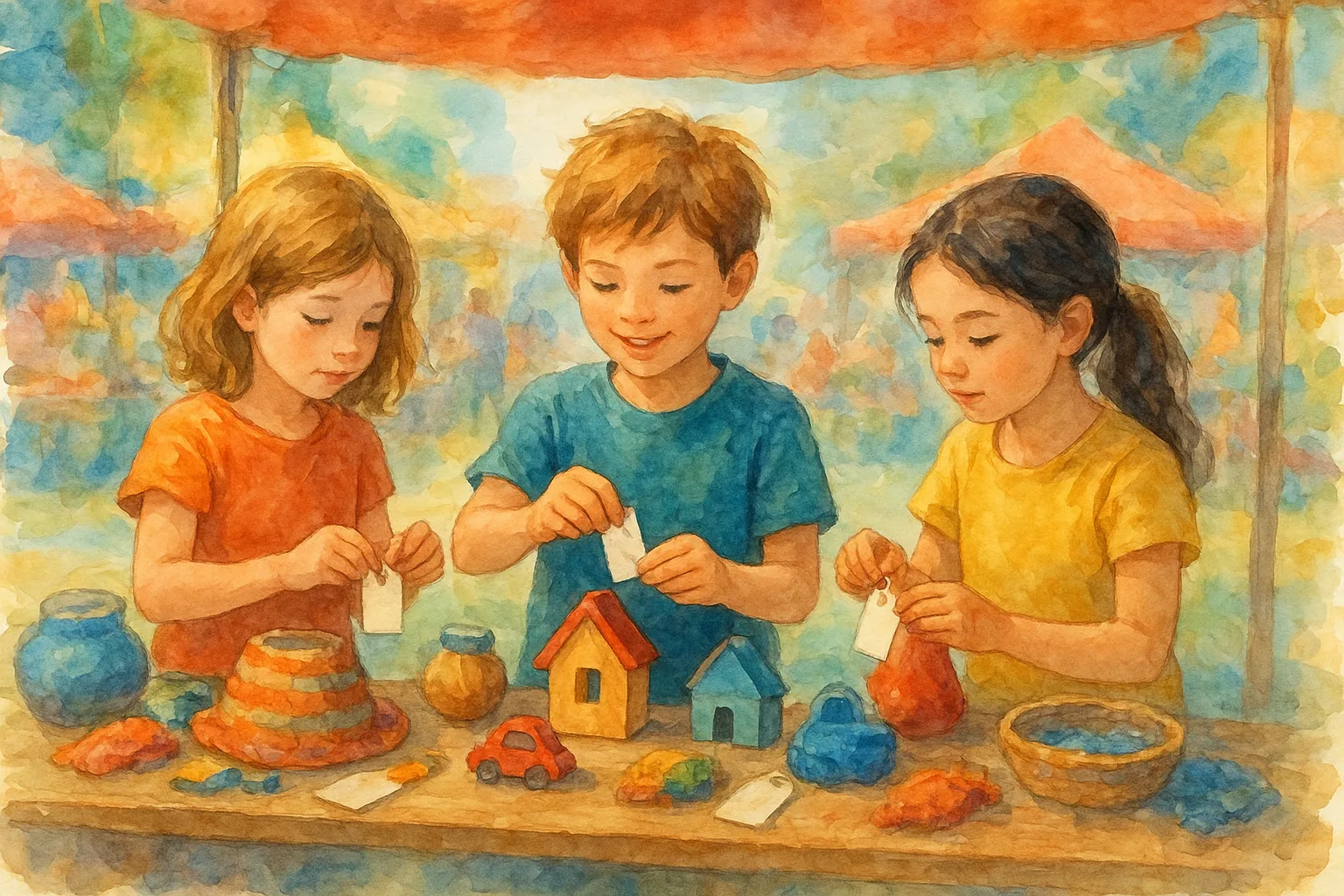
Once they have set a price, encourage them to test it. They can ask friends or family for their opinions or even hold a small market stall. This feedback can help them understand if their price is reasonable.
5. Be Open to Adjustments
Let your child know that it’s okay to adjust their prices based on feedback or if they find their costs change. Pricing is not set in stone; it can evolve as they gain more experience.
Common Myths About Pricing
When it comes to pricing, there are a few myths that can lead to confusion. Here are some common ones:
Myth 1: Lower Prices Always Attract More Customers
While low prices can be attractive, they can also lead to lower perceived value. Sometimes, a higher price can suggest better quality.
Myth 2: Prices Should Never Change
Prices can and should change as costs and market conditions change. Flexibility in pricing can help a business grow.
Myth 3: People Only Care About Price
Many customers also consider quality, uniqueness, and the story behind a product. Pricing should reflect these aspects.
Conclusion
Teaching kids how to price their products fairly can empower them with important skills for their future. By understanding costs, researching the market, and being open to feedback, they can learn to value their work and encourage entrepreneurship. Remember, pricing is a journey, and it’s okay for them to make mistakes along the way!
This article provides general educational information only and is not financial advice. Always seek guidance from a qualified professional for personal financial decisions.
Previous: Helping Kids Run Their First Mini Business (Lemonade Stand, Crafts)
Next: Understanding Supply and Demand in Child-Friendly Terms