
Series: Finance for Kids
Phase 9: Entrepreneurship & Business Basics — Part 100 of 166
Simple Business Ideas Kids Can Try Safely
Encouraging kids to start their own small businesses can be a fun and educational experience. Not only do they learn about money management, but they also develop creativity, responsibility, and problem-solving skills. In this article, we’ll explore some simple business ideas that kids can try safely, along with step-by-step tips to get started.
1. Lemonade Stand
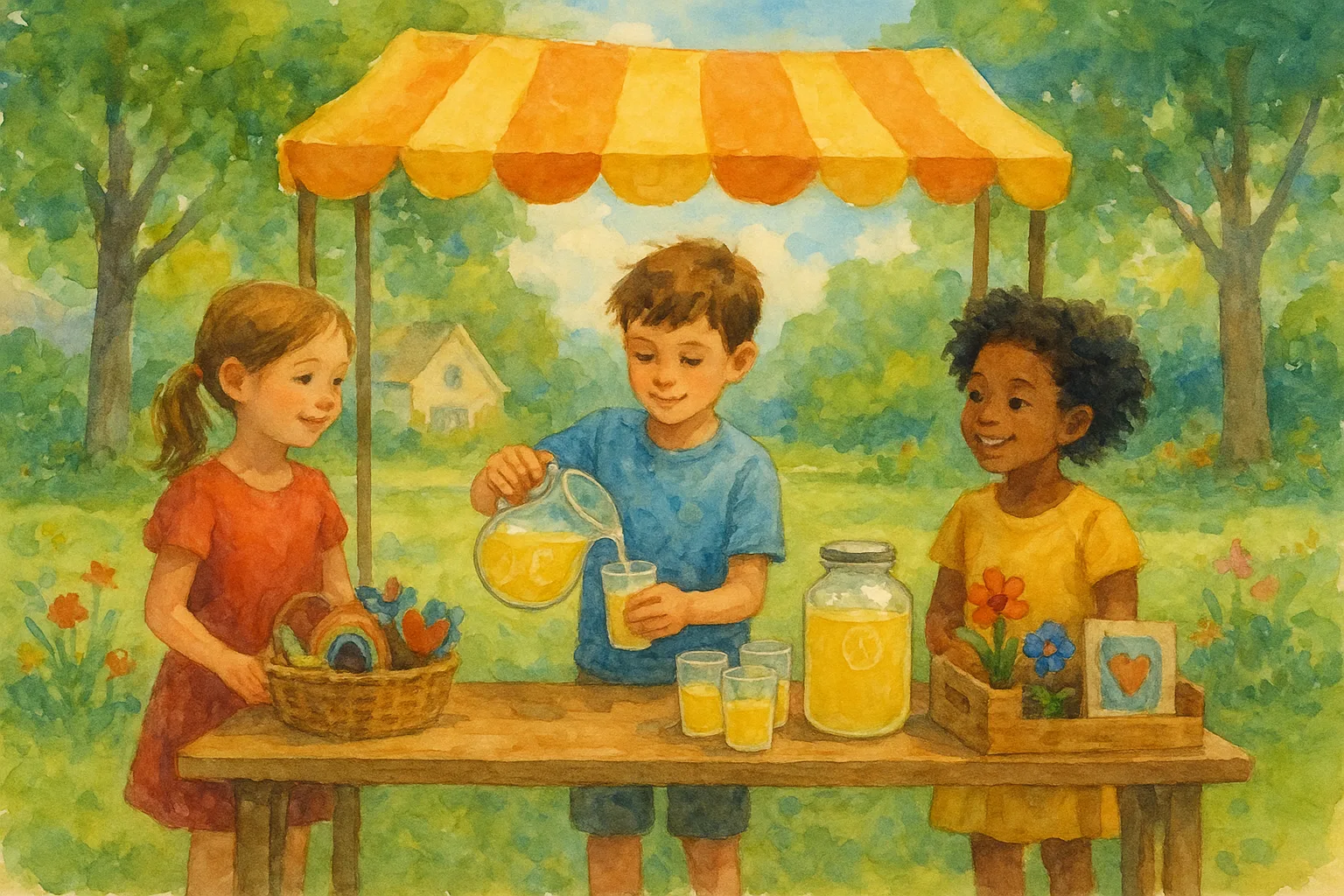
A classic business idea, the lemonade stand, is perfect for kids of all ages. It teaches them about pricing, customer service, and handling money.
How to Start:
- Gather Supplies: You’ll need lemonade mix, water, cups, and a table.
- Set a Price: Decide how much to charge for a cup. Consider what others in your area charge.
- Find a Location: Set up in a busy area, like a park or outside your home.
- Advertise: Let neighbours and friends know you’re selling lemonade!
- Keep Track: Have a jar for money and a notebook to record sales.
2. Pet Sitting
If your child loves animals, pet sitting can be a great option. It teaches responsibility and care for pets.
How to Start:
- Market the Service: Create flyers to distribute in your neighbourhood or ask friends if they need help.
- Set Prices: Decide how much to charge per hour or for each visit.
- Gather Information: Make sure to ask pet owners about their pets’ needs and routines.
- Stay Safe: Always supervise pets and ensure they are in a safe environment.
- Get Feedback: Ask pet owners for feedback to improve your service.
3. Handmade Crafts
If your child enjoys crafting, they can create and sell handmade items like friendship bracelets, greeting cards, or artwork.
How to Start:
- Choose a Craft: Help your child decide what they want to make.
- Gather Materials: Collect items needed to create the crafts.
- Set Up a Shop: Use a table at home or an online platform (with adult supervision) to showcase the crafts.
- Promote: Share with friends and family to spread the word.
- Price the Crafts: Consider the cost of materials and how much time it took to make each item.
4. Lawn Care or Gardening Services
For kids who enjoy being outdoors, offering lawn care or gardening services can be a rewarding business.
How to Start:
- Learn the Basics: Teach your child how to mow lawns or plant flowers.
- Advertise the Service: Make flyers or talk to neighbours about offering help with their gardens.
- Set Rates: Decide how much to charge for different services, like mowing or weeding.
- Schedule Work: Help your child organise the days and times they will work.
- Stay Safe: Ensure they have the right tools and knowledge to work safely.
5. Baking and Selling Treats
If your child loves to bake, they can make cookies, cupcakes, or other treats to sell.
How to Start:
- Choose Recipes: Pick simple recipes that your child can make with little supervision.
- Gather Ingredients: Make sure to have all the ingredients ready before starting.
- Set Prices: Decide how much to charge for each treat.
- Sell at Events: Look for local events, like fairs or bake sales, where they can sell their treats.
- Promote: Let friends and family know about the baking venture!
Common Myths About Kids and Business
There are a few myths that might make parents hesitant to let their kids start a business:
- Myth 1: Kids are too young to start a business. Truth: Kids can learn valuable lessons about responsibility and money management at a young age.
- Myth 2: Businesses are too complicated. Truth: Simple ideas like selling lemonade or pet sitting can be easily managed with a little guidance.
- Myth 3: Kids won’t take it seriously. Truth: Many kids are very passionate about their projects and take pride in their work.
Conclusion
Starting a small business can be a wonderful experience for children. It helps them learn essential life skills while having fun. By choosing simple ideas that match their interests, kids can explore entrepreneurship safely and creatively. Remember to support and guide them through the process!
This article provides general educational information only and is not financial advice. Always seek guidance from a qualified professional for personal financial decisions.
Previous: Explaining Entrepreneurship to Children
Next: How to Teach Kids About Profit and Costs