
Series: Finance for Kids
Phase 7: Marketing, Peer Pressure & Boundaries — Part 83 of 166
Understanding Value vs. Price
When we think about buying things, we often look at the price tag. Sometimes, we assume that if something costs more, it must be better. But this isn’t always true! Teaching kids to think about value instead of just price can help them make smarter choices.
What is Value?
Value is about how useful or enjoyable something is to us. For example, a simple toy that a child plays with every day may hold more value than an expensive gadget that is rarely used. It’s important to help kids see that just because something costs more doesn’t mean it will bring them more joy or be of higher quality.
Simple Examples to Illustrate the Concept
Here are a few everyday examples to help kids understand that expensive doesn’t always mean better:
- Shopping for Clothes: When shopping for clothes, kids might want the latest brand that costs a lot. However, a well-made, affordable shirt might last longer and be just as stylish. Show them how to compare the quality of different brands.
- Buying Snacks: A pack of fancy cookies might cost more than a box of homemade cookies. The homemade cookies could taste better and be made with love! Encourage kids to consider what they enjoy more, not just what looks fancy.
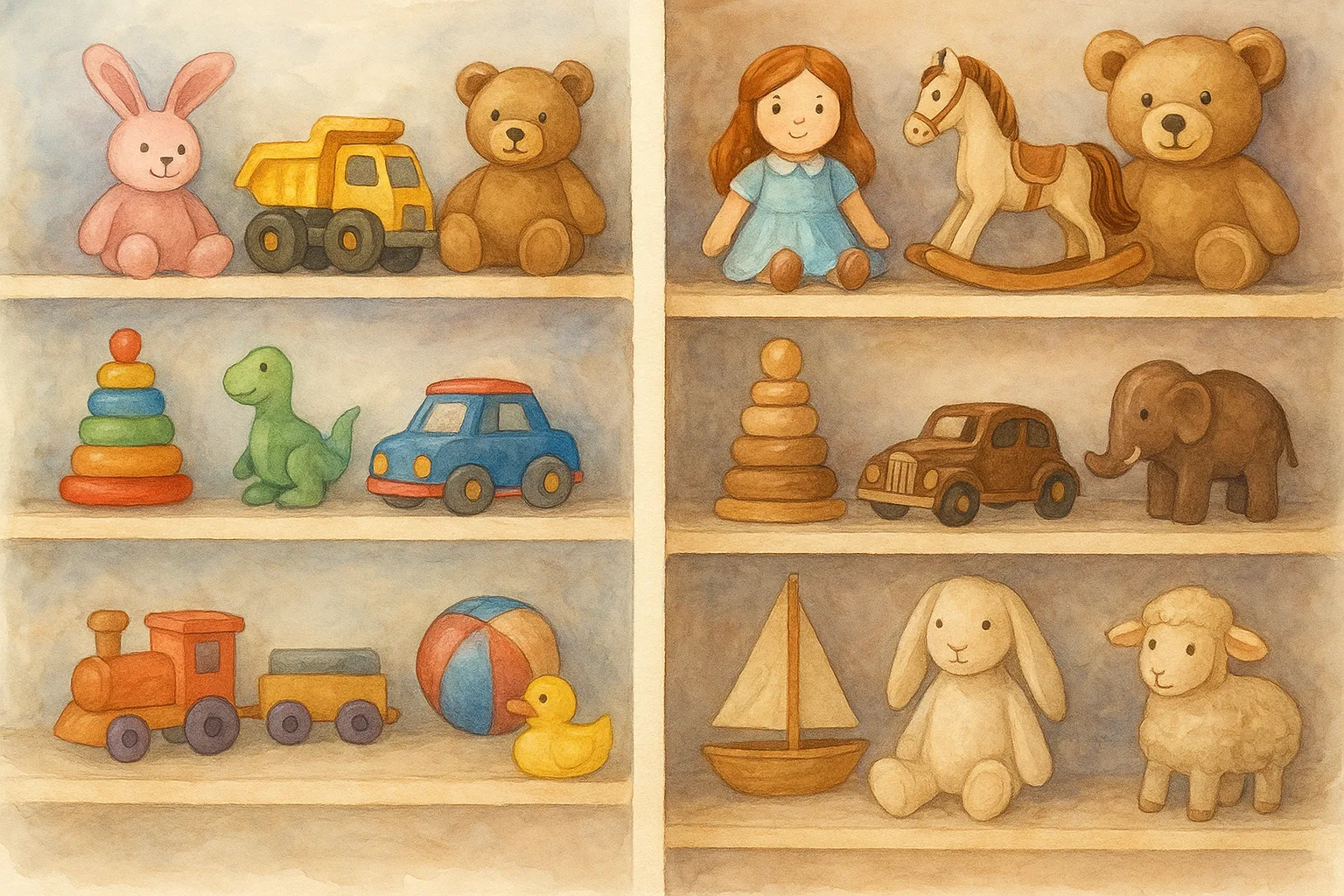
- Toys and Games: A simple board game can provide hours of fun and bonding time, while an expensive video game might be played for only a few hours. Discuss what makes a toy or game enjoyable rather than just focusing on price.
Engaging Activities to Teach Value
Here are some fun activities you can do with kids to help them learn about value versus price:
1. Price Comparison Challenge
Take your child shopping with you. Choose two similar items with different prices. Ask them questions like:
- Why do you think one is more expensive?
- What do you think makes it worth that price?
- Would you rather buy the cheaper one or the expensive one, and why?
Let them express their thoughts and guide them to consider quality and usefulness over price.
2. Create a Value Chart
Make a simple chart with your child listing different items they want or need. For each item, have them rate the value they think it holds on a scale of 1 to 10, alongside the price. This can help them visually see how value and price can differ.
3. Role-Playing Scenarios
Set up a little shop at home with items to ‘buy’ using play money. Include both expensive and inexpensive items. Let your child play shopkeeper and customer, discussing what they would buy and why, based on value rather than price.
Common Myths about Price and Quality
There are many myths about price and quality. Here are a few to discuss with your kids:
- Myth 1: The most expensive item is always the best choice.
- Myth 2: Brand names guarantee quality.
- Myth 3: If it’s on sale, it’s a good deal.
Help kids understand that these myths can lead to poor choices. Encourage them to think critically about what they are buying.
Helping Kids Make Smart Choices
As children learn about money, it’s essential to guide them in making smart choices. Here are some tips:
- Encourage Questions: Always encourage your child to ask questions about why something costs what it does. This helps them think critically.
- Teach Research Skills: Show them how to research products and compare them online or in stores. Look for reviews and ratings.
- Value Experiences: Remind them that sometimes experiences, like going to the park or having a picnic, provide more joy than expensive items.
Conclusion
Teaching kids that expensive doesn’t always mean better is an important life lesson. By using everyday examples and engaging activities, children can learn to evaluate the true value of things. This understanding will help them make informed choices now and in the future.
This article provides general educational information only and is not financial advice. Always seek guidance from a qualified professional for personal financial decisions.
Previous: How to Help Kids Build Healthy Financial Boundaries
Next: How to Teach Kids to Avoid Being Tricked by Marketing