
How to Build Strength with Minimal Equipment
Building strength doesn’t require a gym filled with machines or expensive equipment. In fact, with just a few basic items and the right approach, you can develop a strong, healthy body right at home or anywhere you choose. Whether you have a pair of dumbbells, resistance bands, or simply your own body weight, there are plenty of effective ways to improve muscle strength sustainably. This article will guide you through practical steps, common myths, and helpful tips for building strength with minimal equipment.
Why Strength Training Matters
Strength training offers numerous benefits beyond just muscle tone. It improves bone density, boosts metabolism, enhances balance and coordination, and supports overall wellbeing. Importantly, building strength helps with everyday tasks, reducing the risk of injury and increasing independence as we age.
Step-by-Step Guide to Strength Training with Minimal Equipment
1. Start with Bodyweight Exercises
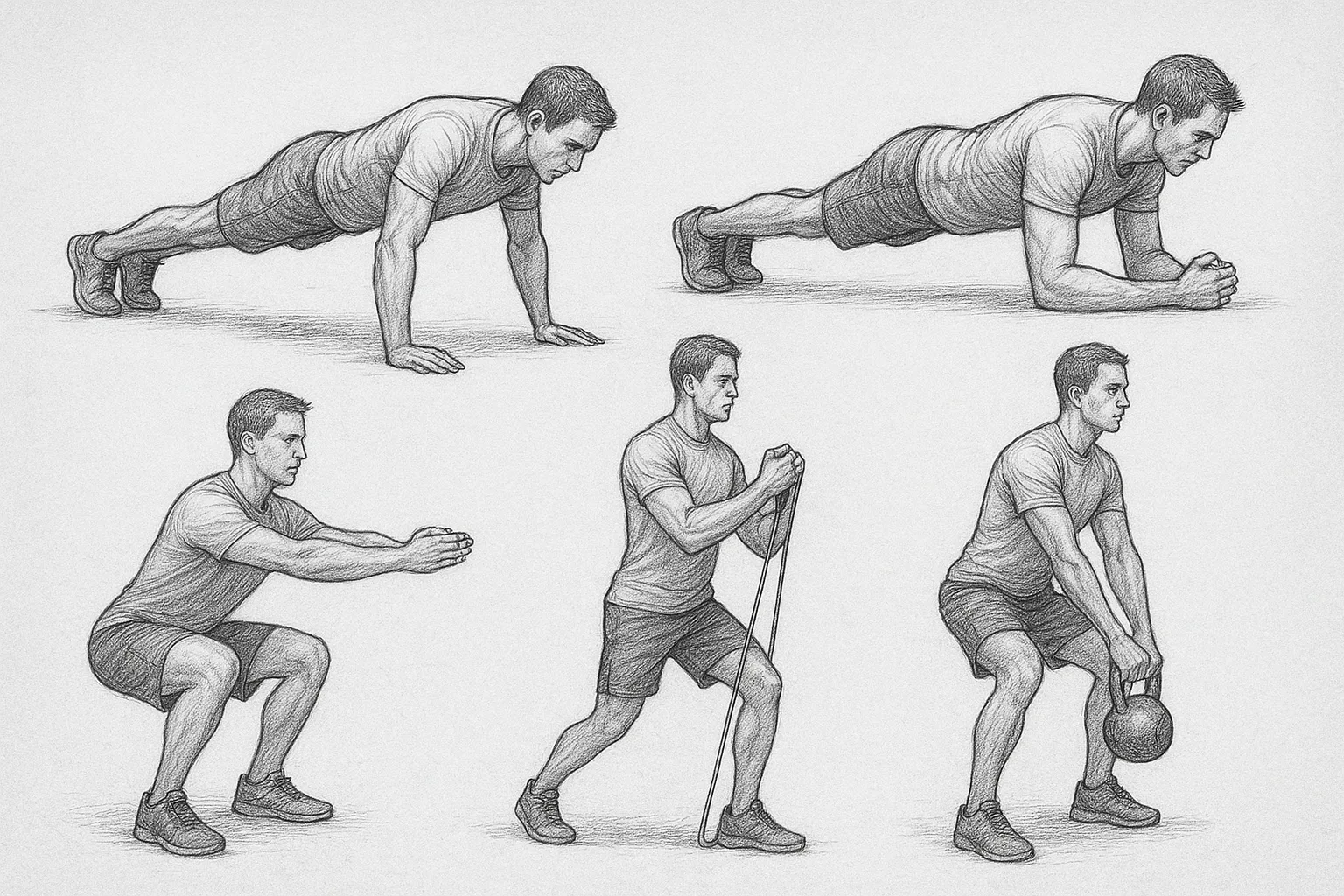
If you have no equipment at all, your body is a powerful tool. Bodyweight exercises like squats, push-ups, lunges, and planks can effectively build strength.
- Squats: Stand with feet shoulder-width apart and bend your knees to lower your hips, then return to standing.
- Push-ups: Keep your body straight and lower yourself to the floor by bending elbows, then push back up.
- Lunges: Step forward with one foot and lower your back knee toward the ground, then push up to standing.
- Planks: Hold your body in a straight line supported on forearms and toes to engage core muscles.
These moves can be modified based on your current fitness level, making them accessible and scalable as you get stronger.
2. Incorporate Resistance Bands
Resistance bands are affordable, portable, and versatile. They provide adjustable tension, making exercises more challenging without bulky weights.
- Try banded rows to strengthen your back by looping the band around a sturdy object and pulling towards you.
- Banded squats add resistance as you stand on the band and hold the ends at shoulder height.
- Use bands for shoulder presses or bicep curls to target upper body muscles.
Resistance bands come in different levels of tension, so you can progress gradually by switching to thicker bands.
3. Use Dumbbells or Household Items
Simple dumbbells are great if you have them, but if not, everyday household items like water bottles, canned goods, or filled backpacks can substitute.
- Dumbbell deadlifts work your legs and back.
- Bicep curls and overhead presses target your arms and shoulders.
- Weighted step-ups strengthen legs using a stable step or chair.
The key is to choose a weight that challenges you but allows you to maintain good form and complete 8–15 repetitions.
4. Focus on Proper Form and Controlled Movements
Building strength is not about rushing through exercises but performing them with control and correct technique. This approach reduces injury risk and maximises muscle engagement.
- Move slowly during both lifting and lowering phases.
- Keep your core engaged to support your spine.
- Breathe steadily—exhale during exertion and inhale during relaxation.
5. Create a Consistent Routine
Consistency is key to strength gains. Aim for 2–3 sessions per week focusing on different muscle groups or full-body workouts. Allow rest days to let muscles recover.
- Start with shorter sessions (20–30 minutes) and gradually increase duration.
- Track your progress by noting reps, sets, or resistance used.
- Mix up exercises every few weeks to avoid plateaus and keep things interesting.
Common Myths About Building Strength with Minimal Equipment
Myth 1: “You Need Heavy Weights to Get Strong”
While heavy weights can build strength, they aren’t the only way. Using bodyweight, bands, or lighter weights with higher repetitions can also enhance muscle endurance and strength effectively.
Myth 2: “Strength Training Makes You Bulky”
For most people, especially women, strength training builds lean muscle and a toned appearance rather than bulk. Achieving large muscle size typically requires specific training and nutrition strategies.
Myth 3: “You Must Spend Hours in the Gym”
Short, focused strength sessions done consistently are more sustainable and effective than long, infrequent workouts. Quality over quantity matters.
Myth 4: “If You Don’t Have Equipment, You Can’t Progress”
Progression is possible through increasing repetitions, adjusting exercise difficulty, or adding resistance bands or household weights. Creativity can keep your workouts challenging.
Tips for Sustainable Strength Training Habits
- Set Realistic Goals: Start with achievable targets and celebrate small wins.
- Listen to Your Body: Rest when needed and avoid pushing through pain.
- Warm Up and Cool Down: Prepare your muscles before exercise and stretch afterward to reduce soreness.
- Stay Hydrated and Eat Well: Proper nutrition supports muscle recovery and energy.
- Find Enjoyable Exercises: You’re more likely to stick with workouts you like.
Conclusion
Building strength with minimal equipment is entirely achievable with the right mindset and approach. By using your body weight, resistance bands, or simple household items, you can create effective workouts that fit your lifestyle. Focus on proper technique, consistency, and gradual progression to see lasting results. Remember that strength training benefits your overall health and daily function, making it a valuable habit to cultivate. Embrace the process with patience and positivity, and enjoy the empowering journey toward a stronger you.
This article provides general educational information only and is not a substitute for professional medical advice. Always consult a qualified healthcare professional for personal guidance.