
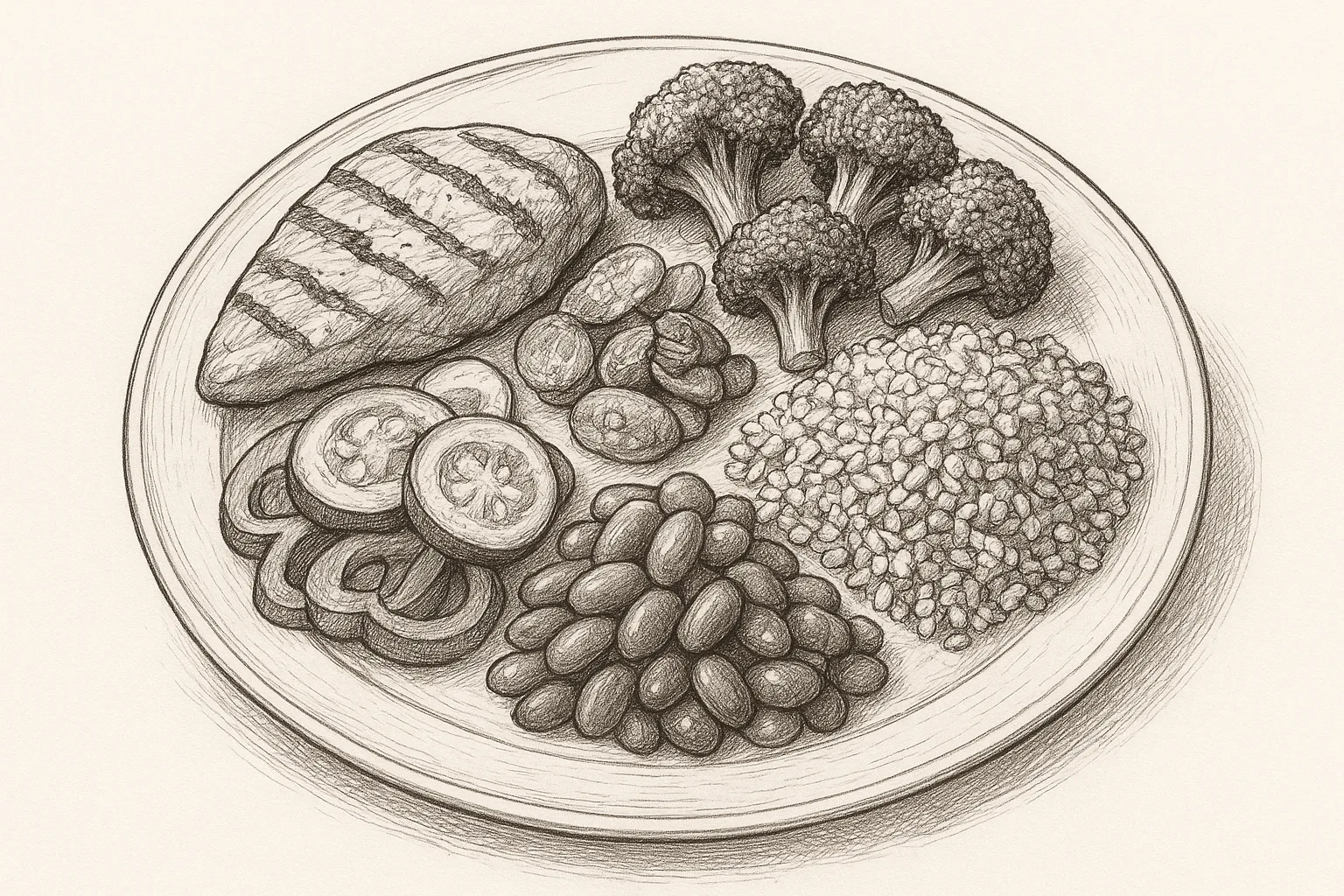
Why “More Protein” Isn’t Always the Solution for Your Health
Protein has become a buzzword in health and fitness circles, often touted as the key to muscle growth, weight loss, and overall wellbeing. From gym enthusiasts to casual snackers, many believe that simply eating more protein will automatically lead to better health. But is that really the case? In this article, we’ll explore why “more protein” isn’t always the solution, and how to develop sustainable, balanced eating habits that support your body and lifestyle.
The Role of Protein in Our Bodies
Protein is an essential nutrient that helps build and repair tissues, supports immune function, and plays a role in producing hormones and enzymes. It’s a vital part of a healthy diet, but like any nutrient, balance is key.
Adults generally need about 0.75 grams of protein per kilogram of body weight per day, depending on factors like age, activity level, and health status. For example, a person weighing 70kg might aim for around 52 grams of protein daily.
Why More Protein Isn’t Always Better
- Excess Protein Doesn’t Build More Muscle Automatically: Consuming protein beyond your body’s needs won’t necessarily translate to increased muscle mass. Muscle growth requires a combination of adequate protein, strength training, rest, and overall energy balance.
- Too Much Protein Can Displace Other Nutrients: Focusing heavily on protein might lead to neglecting other important nutrients such as fibre, vitamins, and healthy fats that come from fruits, vegetables, whole grains, and other food groups.
- Digestive Issues: Large amounts of protein, especially from animal sources, may cause digestive discomfort in some people, including bloating or constipation.
- Environmental Impact: High intake of animal-based proteins can have a greater environmental footprint. Incorporating plant-based protein sources can be a more sustainable choice.
Comparing Protein Sources: Whey, Casein, Soy, and Pea
Not all proteins are created equal. Different protein sources come with unique benefits and considerations.
- Whey Protein: A fast-digesting protein derived from milk, popular for post-workout recovery. It contains all essential amino acids and is rich in leucine, important for muscle synthesis.
- Casein Protein: Also milk-derived but digests slowly, providing a gradual release of amino acids. Often consumed before sleep to support overnight muscle repair.
- Soy Protein: A complete plant-based protein that contains all essential amino acids. It also contains beneficial plant compounds but some may be sensitive to soy or prefer to limit intake.
- Pea Protein: A plant-based protein that’s hypoallergenic and rich in iron. While not a complete protein on its own, it can be combined with other plant proteins for a balanced amino acid profile.
Choosing a protein source depends on your dietary preferences, digestion, and lifestyle. It’s perfectly fine to mix and match these sources to suit your needs.
Practical Tips for Balanced Protein Intake
- Assess Your Protein Needs: Use your body weight and activity level as a starting point. Most adults do well with moderate protein intake rather than excessive amounts.
- Include a Variety of Protein Sources: Combine animal and plant proteins like beans, lentils, nuts, dairy, fish, and lean meats to ensure a broad range of nutrients.
- Don’t Forget Other Nutrients: Balance your meals with plenty of vegetables, whole grains, and healthy fats for overall wellness.
- Listen to Your Body: Notice how different protein foods make you feel. Digestive comfort and energy levels can guide your choices.
- Be Mindful of Portion Sizes: Instead of adding extra protein at every meal, focus on consistent, moderate portions spread throughout the day.
- Stay Active: Physical activity complements protein intake and helps your body use protein effectively.
Common Myths About Protein
- Myth 1: You Need Protein Supplements to Build Muscle. While supplements can be convenient, whole foods provide additional nutrients and fibre that supplements lack.
- Myth 2: More Protein Means Faster Weight Loss. Protein can support weight loss by promoting satiety, but overdoing it won’t speed up results and may displace other important foods.
- Myth 3: Plant Proteins Aren’t as Good as Animal Proteins. Plant proteins can be just as effective when eaten in variety to cover all essential amino acids.
- Myth 4: Older Adults Need Huge Amounts of Protein. Adequate protein is important as we age, but quality and distribution across meals matter more than simply increasing quantity.
Building Sustainable Habits Around Protein
Rather than aiming for “more protein” as a quick fix, focus on creating habits that feel sustainable and enjoyable:
- Plan Balanced Meals: Include protein, carbs, and fats in each meal for steady energy and satisfaction.
- Experiment With Recipes: Try new protein sources like chickpeas, tofu, or fish to keep meals interesting.
- Cook at Home: Home cooking allows better control over ingredients and portion sizes.
- Hydrate Well: Drinking enough water supports digestion, especially when increasing protein from fibre-rich plant foods.
- Set Realistic Goals: Small, manageable changes often lead to better long-term success than drastic shifts.
Conclusion
Protein is an important part of a healthy diet, but more isn’t always better. Overemphasising protein can lead to imbalanced meals and unnecessary strain on your body. Instead, aim for a balanced intake from a variety of sources, including whey, casein, soy, and pea proteins, to support your unique needs. Focus on sustainable habits, listen to your body, and enjoy a diverse diet that nourishes you fully. This approach will serve you better than chasing high protein numbers alone.
This article provides general educational information only and is not a substitute for professional medical advice. Always consult a qualified healthcare professional for personal guidance.