
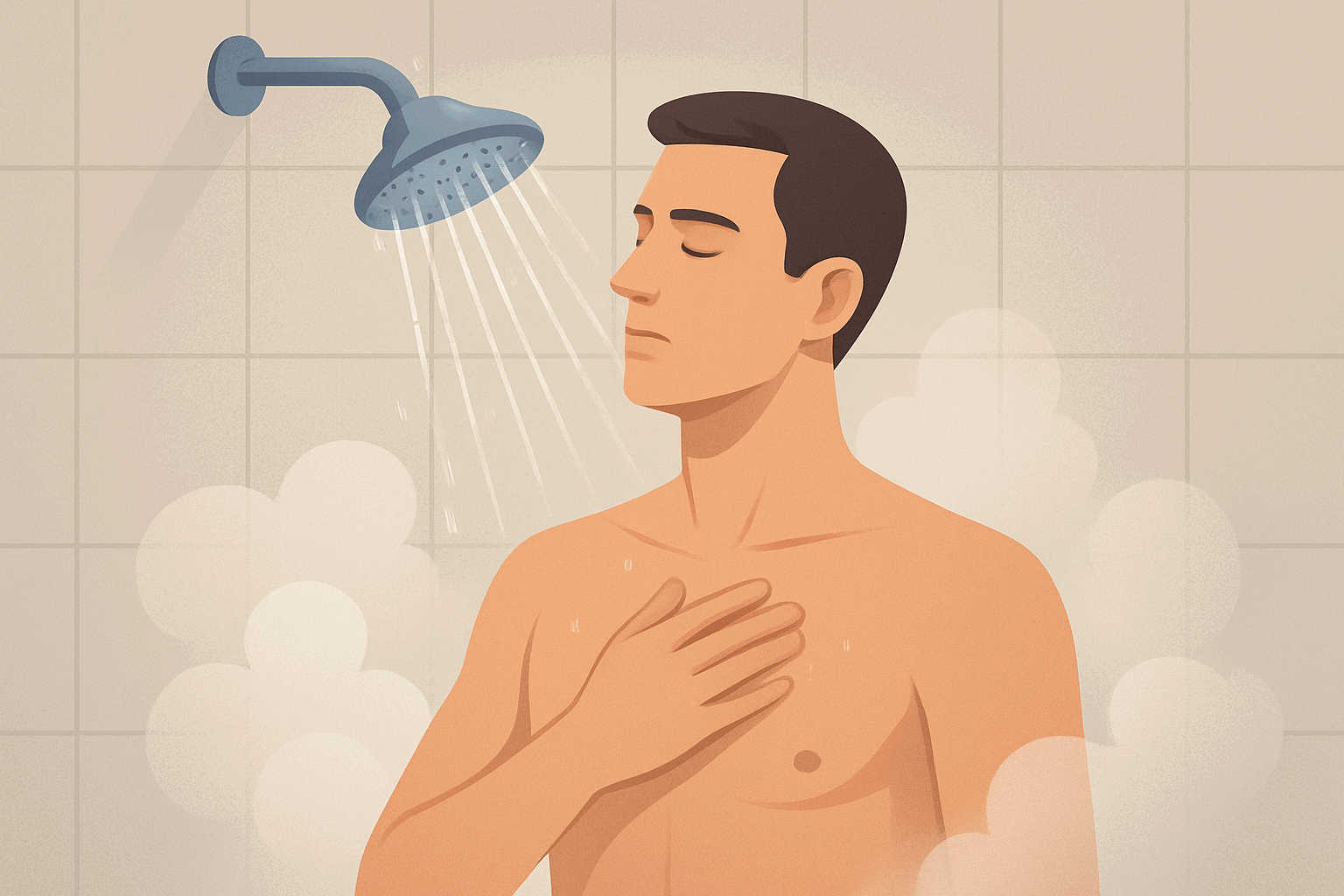
Cold showers have become a hot topic in wellness circles, with claims that they boost immunity, improve mood, speed up recovery, and even help with weight loss. But what actually happens when you turn the tap to cold, and how much of the hype is backed by science versus social media trends?
What Happens to Your Body in a Cold Shower?
When cold water hits your skin, your body reacts quickly to protect your vital organs and maintain a stable internal temperature. This “shock” response is part of why cold showers feel so intense at first.
- Blood vessels tighten (vasoconstriction): Blood is redirected from your skin toward your core to keep your organs warm.
- Heart rate and breathing speed up: Your body responds to the sudden cold by increasing alertness and oxygen intake.
- Nervous system activation: The sympathetic nervous system (your “fight or flight” system) switches on, releasing stress hormones like adrenaline.
- Skin temperature drops quickly: You feel an intense cold at first, but this can ease as your body adapts over a few minutes.
These reactions are normal and generally safe for healthy people, but they can be risky for those with certain heart or circulation problems because they temporarily increase heart workload and blood pressure.
Potential Health Benefits of Cold Showers
Cold showers are not a magic cure, but they may offer several modest benefits when used regularly and safely. Most evidence comes from small studies or research on cold-water immersion (like ice baths), but many principles carry over to cold showers.
1. Increased Alertness and Energy
The sudden cold stimulates your nervous system, making you breathe deeper and faster. This can increase oxygen intake and heart rate, helping you feel more awake.
- Morning boost: A short cold blast at the end of a warm shower can feel like a natural “wake-up” button.
- Mental clarity: Many people report feeling sharper and more focused afterward, likely due to increased arousal and adrenaline.
While this is more of a short-term effect than a lasting health change, it can be a practical alternative to an extra cup of coffee for some people.
2. Possible Mood and Stress Benefits
Cold exposure may influence brain chemicals involved in mood and stress regulation, such as endorphins and norepinephrine. Some small studies and anecdotal reports suggest that regular cold showers can improve mood and help people feel more resilient to stress.
- Mood lift: The combination of intense sensation, deep breathing, and endorphin release can create a “post-shower high” for some people.
- Stress training: Learning to stay calm under the discomfort of cold water can act like “practice” for handling other stressful situations.
Cold showers should not replace professional treatment for anxiety, depression, or other mental health conditions, but they may be a supportive habit for some individuals when used alongside proper care.
3. Support for Circulation and Recovery
Athletes have long used ice baths and cold water to help with recovery after intense exercise. Cold exposure causes blood vessels to narrow, and when you warm up again, they widen. This “pumping” effect may help move fluids and waste products through your tissues.
- Reduced soreness: Some people find that cool or contrast showers (alternating warm and cold) help reduce muscle soreness after workouts.
- Circulation training: Repeated cycles of narrowing and widening blood vessels may support vascular health over time, though research is still developing.
Cold showers are usually less intense than ice baths, so the effects may be milder, but they can still be a convenient option at home.
4. Immune System: Do Cold Showers Help You Get Sick Less?
Some small studies suggest that regular cold exposure might modestly support immune function. For example, people who finished their showers with cold water reported fewer sick days in one study, though they did not necessarily get fewer infections overall.
- Possible mechanisms: Cold stress may stimulate certain immune cells and increase circulation, but the effects are not fully understood.
- Realistic expectations: Cold showers are not a shield against viruses or a replacement for sleep, nutrition, or vaccines.
Think of cold showers as a small potential boost, not a primary immune strategy.
5. Skin and Hair Effects
Hot water can strip natural oils from your skin and hair, sometimes leaving them dry or irritated. Cooler water is gentler and may help maintain your natural barrier.
- Skin: Cool water can reduce redness and may feel soothing for some skin types, especially after exercise or heat exposure.
- Hair: Many people find that rinsing with cool water leaves their hair looking a bit shinier, likely because it helps the outer layer of the hair shaft lie flatter.
These effects are usually subtle and depend on your skin type, products, and overall routine, but they are a nice bonus for some people.
Common Myths About Cold Showers
With their rise in popularity, cold showers have picked up several exaggerated claims. It helps to separate what is plausible from what is misleading.
- “Cold showers melt fat quickly.” Cold exposure can activate brown fat (a type of fat that burns energy to produce heat), but showers alone are unlikely to cause major weight loss. Diet and overall activity matter far more.
- “Cold showers cure depression or anxiety.” They may offer a temporary mood lift and sense of accomplishment, but they are not a cure and should never replace proper mental health care.
- “If you can tolerate the cold, more is always better.” Longer or colder is not automatically healthier. Overdoing it can cause stress, discomfort, or even health risks in some people.
- “Only ice-cold water counts.” Even mildly cool water or short cold finishes can provide many of the same alertness and adaptation benefits.
Who Should Be Careful or Avoid Cold Showers?
Cold showers are not suitable for everyone. The sudden temperature change can put extra strain on the heart and blood vessels, especially in people with underlying conditions.
- Heart disease or history of heart attack: The shock response can briefly raise blood pressure and heart rate, which may be risky.
- Uncontrolled high blood pressure: Cold can cause a temporary spike in blood pressure.
- Raynaud’s phenomenon or circulation problems: Cold can trigger painful attacks in fingers and toes.
- Asthma: Sudden cold can sometimes provoke breathing difficulties.
- Pregnancy or other medical conditions: It is wise to ask a healthcare professional before starting regular cold exposure.
If you have any medical concerns, especially related to the heart, lungs, or circulation, speak with a doctor before experimenting with cold showers.
How to Start Cold Showers Safely and Comfortably
If you are curious but nervous, you do not need to jump straight into an icy shower. You can ease in gradually and listen to your body along the way.
Step-by-Step Beginner Approach
- Step 1: Start warm. Begin with your usual comfortably warm shower so your body is relaxed.
- Step 2: Cool down slowly. In the last 30–60 seconds, turn the temperature down to mildly cool, not freezing. Let the water hit your back and shoulders first.
- Step 3: Breathe steadily. Focus on slow, controlled breathing through your nose if possible. This helps calm your nervous system and reduces the “panic” feeling.
- Step 4: Increase time gradually. Over days or weeks, slowly extend the cool period up to 2–3 minutes, and gradually make the water colder if you feel comfortable.
- Step 5: Pay attention to signals. Mild discomfort is normal; sharp pain, chest tightness, dizziness, or trouble breathing are warning signs to stop immediately.
Tips to Make Cold Showers More Manageable
- Start with just your legs and arms. Let the cold water hit your limbs before your chest, neck, and head.
- Use a countdown. Count slowly to 30 or 60 seconds; it gives your mind a clear finish line.
- Warm up afterward. Dry off quickly and put on warm clothes or move around to generate heat.
- Pair with a routine. Attach your cold shower to an existing habit, like after a workout or as part of your morning routine, to make it easier to stick with.
Cold Showers vs. Hot Showers: Finding a Balance
You do not have to choose between only cold or only hot showers. Both have their place, and many people benefit from a combination.
- Hot or warm showers: Great for relaxation, muscle comfort, and winding down before bed. They can also help open nasal passages when you are congested.
- Cold or cool showers: Helpful for alertness, post-exercise cooling, and building stress tolerance.
- Contrast showers (alternating hot and cold): Some people enjoy switching between warm and cool water a few times to feel refreshed and support circulation.
The best choice depends on the time of day, your goals, and how your body responds.
Cold showers can be a useful tool for health and resilience, but they work best as part of a bigger picture that includes sleep, nutrition, movement, and stress management.
Practical Cold Shower Routines You Can Try
Morning “Wake-Up” Routine
- Take your usual warm shower.
- Turn the water to cool or cold for 30–90 seconds at the end.
- Focus on deep, steady breathing as the water hits your back, chest, and shoulders.
- Step out, dry off, and notice how your energy and mood feel over the next hour.
Post-Workout Recovery Routine
- Rinse off with warm water first to relax your muscles.
- Switch to cool or cold water for 1–3 minutes, moving the stream over tired muscles.
- If you prefer, alternate 30–60 seconds warm with 30–60 seconds cool for 3–5 cycles.
Stress-Resilience Practice
- Choose a short, consistent time (for example, 60 seconds of cool water at the end of your shower).
- Before turning the water cold, decide to stay calm and focus on your breath.
- Notice your thoughts and physical sensations without reacting to them.
- When the time is up, warm up and reflect briefly on how you handled the discomfort.
Do Cold Showers Really Improve Health?
Overall, cold showers can offer modest benefits for alertness, mood, circulation, and recovery, especially when practiced regularly and safely. They are not a miracle cure, but they can be a practical, low-cost way to challenge your body gently and build a sense of resilience.
If you are healthy, curious, and willing to tolerate some short-term discomfort, experimenting with cold showers may be worthwhile. Start gradually, listen closely to your body, and treat them as one tool among many in a balanced lifestyle rather than a stand-alone solution.
Before making cold showers a daily habit, especially if you have heart, circulation, or respiratory issues, check with a healthcare professional to make sure they are safe for you.