
Series: Marathon Preparation Guide
Phase 7: Race Week & Marathon Day — Part 20 of 24
Introduction
As marathon day approaches, many runners focus on their training and gear but sometimes overlook one of the most critical performance factors: nutrition. What you eat during race week and on race morning can profoundly impact your energy levels, endurance, and how you feel throughout the 26.2 miles. This post covers practical, evidence-based advice on what to eat before a marathon, emphasizing sustainable habits that support both your training and race day success.
Race-Week Nutrition: Setting the Stage
Race week is your opportunity to build energy stores and avoid any digestive surprises. The goal is to maximize your glycogen (carbohydrate) stores while maintaining overall balance and comfort.
1. Prioritize Carbohydrates—But Don’t Overeat
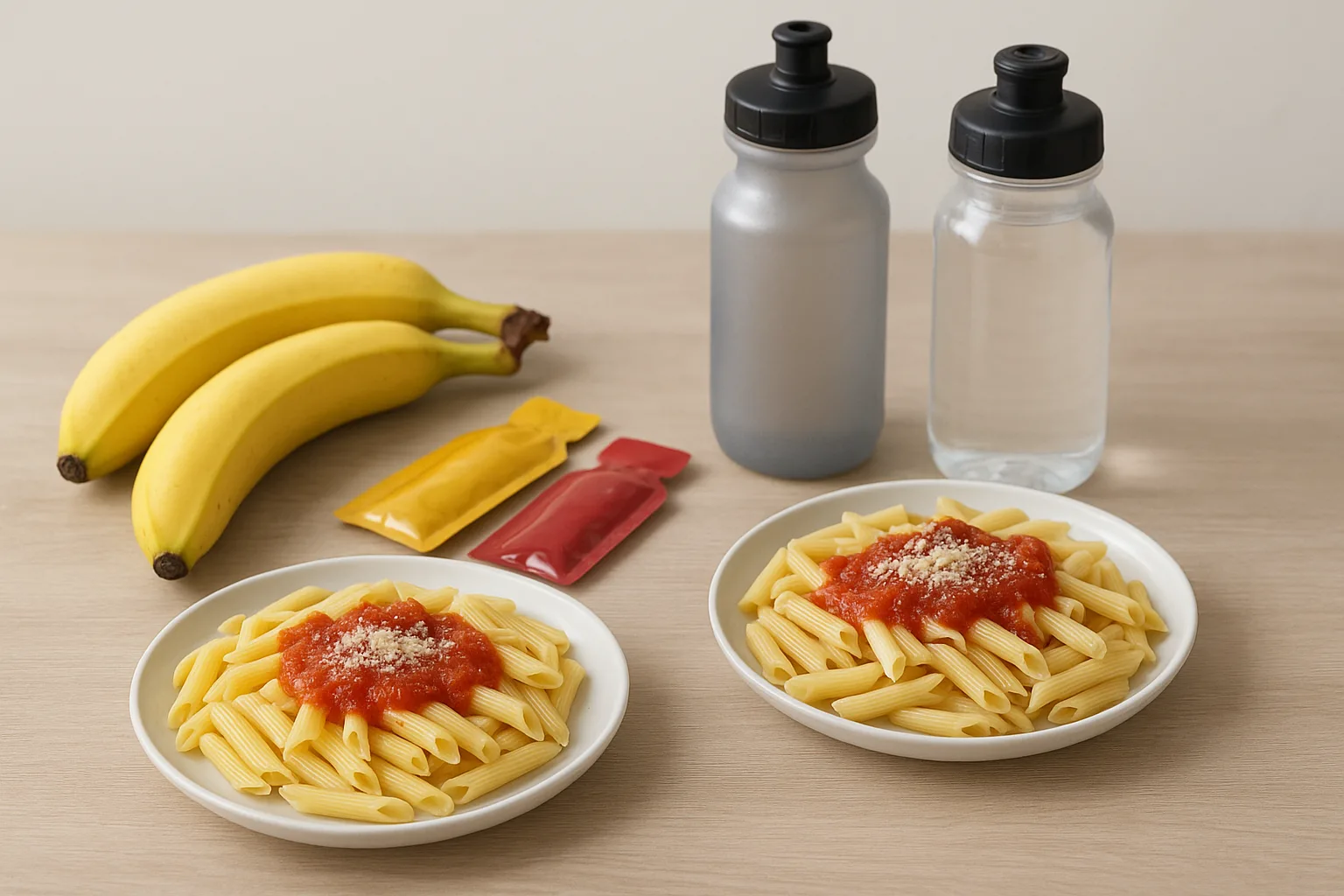
Carbohydrates are your muscles’ primary fuel during endurance running. In the 3-4 days leading up to race day, aim to increase your carbohydrate intake to approximately 60-70% of your total calories. Good sources include:
- Whole grains like brown rice, quinoa, and oats
- Fruits such as bananas, berries, and apples
- Starchy vegetables like sweet potatoes and corn
- Legumes including lentils and beans
- Low-fat dairy products
This carbohydrate loading helps saturate your muscles with glycogen, the energy reserve you’ll rely on during the marathon.
2. Maintain Moderate Protein and Healthy Fats
Keep protein intake steady to support muscle repair and recovery—aim for about 1.2 to 1.7 grams per kilogram of body weight daily. Include lean sources such as poultry, fish, tofu, and dairy. Healthy fats from nuts, seeds, avocado, and olive oil should make up about 20-25% of your calories, supporting overall health without weighing you down.
3. Stay Hydrated, But Avoid Excess
Proper hydration is critical. Drink water consistently throughout the day, but don’t overdo it to avoid frequent bathroom trips or diluting your electrolytes. Monitor urine color—pale yellow is ideal.
4. Avoid New or Heavy Foods
Race week is not the time to experiment. Stick to familiar foods that you know digest well. Avoid spicy, greasy, or very high-fiber foods that might cause gastrointestinal distress on race day.
5. Plan Your Meals and Snacks
Set a schedule that includes 3 balanced meals and 1-2 snacks daily. Examples include:
- Breakfast: Oatmeal with banana and almond butter
- Snack: Greek yogurt with berries
- Lunch: Quinoa salad with grilled chicken and vegetables
- Snack: Rice cakes with peanut butter
- Dinner: Baked salmon, sweet potato, and steamed broccoli
Race-Morning Nutrition: Fueling for Success
What you eat before the marathon can make or break your performance. The key is to provide easily digestible energy without causing stomach upset.
1. Timing Your Pre-Race Meal
Aim to eat your main pre-race meal about 3 to 4 hours before the start. This gives your body enough time to digest and convert food into usable energy. If you wake up very early or the race starts later, include a small snack 60 to 90 minutes before the start.
2. Focus on Carbohydrates, Low Fiber, and Moderate Protein
Your pre-race meal should be carb-rich, low in fiber, and contain a small amount of protein. Avoid high-fat and high-fiber foods to reduce the risk of gastrointestinal issues during the race. Examples include:
- White toast with honey or jam
- A bagel with a little peanut butter
- Banana or applesauce
- Low-fat yogurt or a small portion of oatmeal
3. Hydration Before the Race
Drink 12 to 16 ounces (350–475 ml) of water or a sports drink about 2 hours before the start. If needed, sip small amounts closer to race time, but avoid overhydration.
4. Pre-Race Snack Ideas
If you need a light snack 1 to 1.5 hours before the race, choose something simple and carb-based like:
- A banana
- Energy gel or chews (if you’ve used them in training)
- A small granola bar
- Crackers with honey
5. Avoid New Foods and Caffeine Surprises
Stick with foods and drinks you’ve tested during training. If you usually consume caffeine before runs and tolerate it well, a moderate amount before the race can enhance focus and performance. Otherwise, avoid it to prevent jitters or stomach upset.
Common Pitfalls and How to Avoid Them
- Overeating: Eating too much can cause sluggishness and stomach discomfort. Keep portions moderate and listen to your hunger cues.
- Underfueling: Skipping meals or eating too little can leave you depleted early in the race. Consistency is key.
- Ignoring hydration: Both dehydration and overhydration can impair performance. Balance is essential.
- Trying new foods: Race day is not the time for experimentation. Stick to what you know.
Takeaway Summary
Fueling well in the week before your marathon helps maximize glycogen stores and sets you up for success. Focus on increasing carbohydrates while maintaining balanced protein and fats. Stay hydrated and avoid new or heavy foods. On race morning, eat a familiar, carb-rich meal 3-4 hours before start and consider a light snack closer to race time if needed. Hydrate smartly and avoid surprises by sticking to tried-and-true foods and drinks. With these sustainable habits, you’ll cross the finish line feeling energized and strong.
Action Steps
- Plan your race-week meals focusing on carbohydrate-rich, familiar foods.
- Schedule your pre-race meal 3-4 hours before the start and choose low-fiber, carb-focused options.
- Test any race-day snacks and hydration strategies during training runs.
- Drink fluids regularly but avoid overhydration.
- Prepare your race-day foods and fluids in advance to minimize stress.
Conclusion
Mastering your nutrition in the days leading up to and on the morning of your marathon is a powerful way to enhance your performance and enjoyment. By adopting a balanced, evidence-based approach that emphasizes carbohydrate loading, hydration, and familiar foods, you reduce the risk of energy crashes and digestive issues. Remember, consistency and practice are key—use your training weeks to dial in what works best for your body. With proper fueling, you’ll be set to run your best race yet!
Suggested affiliate finds
Disclosure: As an Amazon Associate, we earn from qualifying purchases — helping support our content at no extra cost to you.
Previous: Marathon Race Week Checklist: What to Do Before Race Day
Next: Marathon Race Day Strategy: Pacing, Fueling & Mindset