
Series: Finance for Kids
Phase 5: Banking, Cards & Digital Money — Part 60 of 166
Understanding Public Services and Taxes
Teaching kids about public services and taxes can seem like a big task, but it can be done in a fun and engaging way. By explaining how these concepts work, you help children understand the world around them and the importance of contributing to their community.
What Are Public Services?
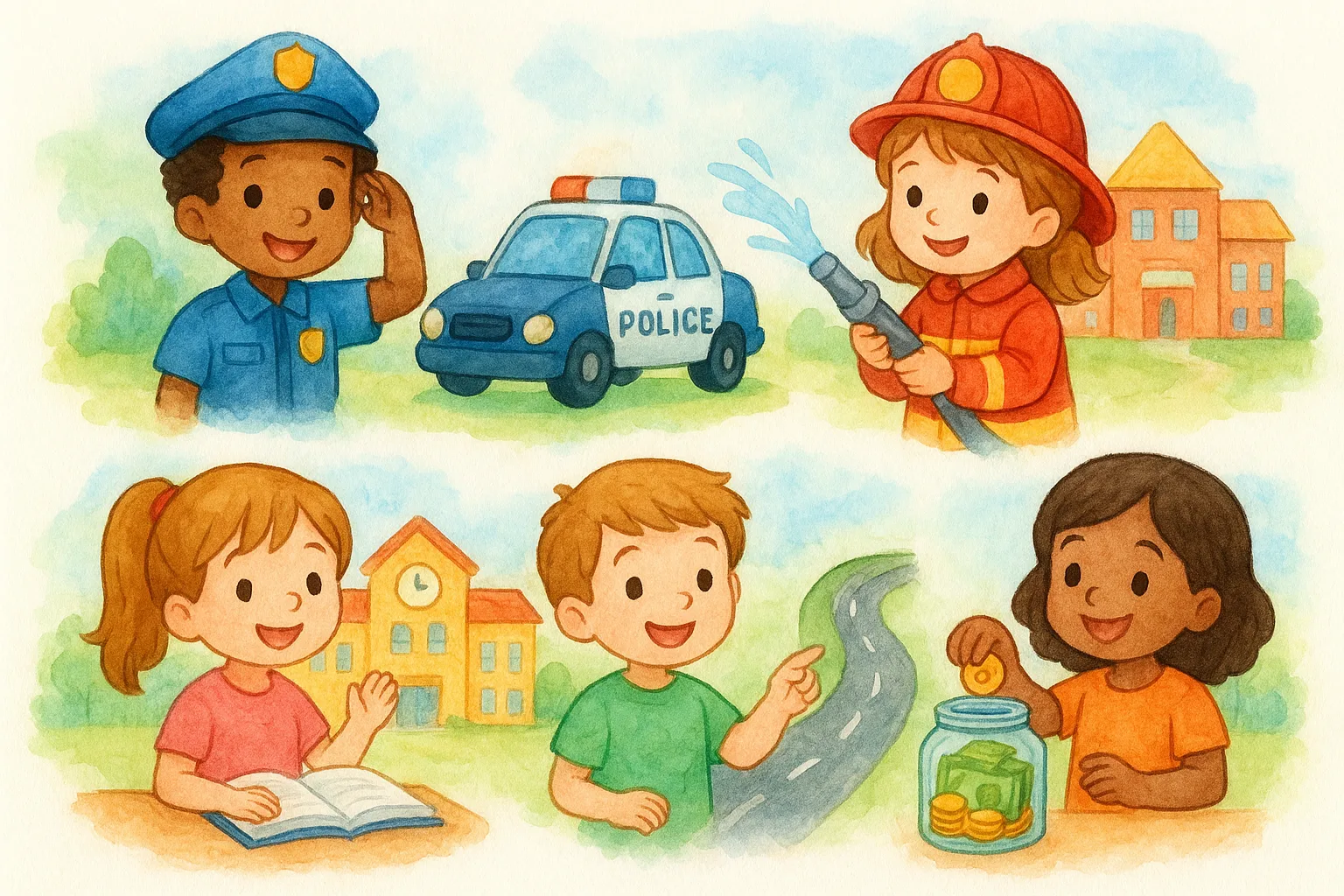
Public services are services provided by the government for the benefit of everyone in the community. These services help keep our environment safe, healthy, and organized. Some common examples include:
- Education: Schools provide education to children, helping them learn and grow.
- Health Services: Hospitals and clinics offer medical care and support.
- Public Transport: Buses, trains, and trams help people travel easily.
- Police and Fire Services: These services keep us safe and respond to emergencies.
- Road Maintenance: Roads and pavements are kept in good condition for us to use.
Why Do We Pay Taxes?
Taxes are payments that people make to the government. This money is used to fund public services. Without taxes, the government would not be able to provide these essential services. Here’s a simple way to think about it:
- Imagine you and your friends want to buy a big pizza to share. Each person puts in some money to buy it. The money collected is like taxes, and the pizza is like public services.
When we contribute by paying taxes, we all benefit from the services provided to our community.
How Can You Explain Taxes to Kids?
Here are some simple steps to help kids understand taxes:
- Start with the Basics: Explain what taxes are and why they are needed. Use simple language and relatable examples.
- Use Visuals: Draw a simple chart showing how money is collected from taxes and where it goes (schools, hospitals, roads, etc.). Kids love visuals!
- Discuss the Benefits: Talk about how public services improve their lives. For example, mention how schools help them learn and how parks provide a place to play.
- Involve Them: If possible, involve your children in community events or local government meetings to see how public services work.
- Encourage Questions: Let your kids ask questions and express their thoughts. This helps them to engage and understand better.
Fun Activities to Reinforce Learning
Here are some enjoyable activities you can do with your children to reinforce their understanding of public services and taxes:
- Play Pretend: Set up a pretend shop at home where each family member has to ‘pay’ taxes to get specific services (like getting a toy or a snack).
- Community Scavenger Hunt: Create a scavenger hunt where kids find different public services in your local area (like the library, park, or hospital) and learn what each one does.
- Budgeting Game: Have a simple budgeting game where children decide how to spend a set amount of money on public services (like school supplies, park maintenance, etc.).
Common Myths About Taxes
As children learn about taxes, they may come across some common myths. It’s important to clarify these misconceptions:
- Myth 1: Only adults pay taxes.
Truth: Everyone contributes in some way, even children, through sales taxes when they buy things.
- Myth 2: Taxes are used for unnecessary things.
Truth: Taxes fund essential services that benefit everyone, like schools, roads, and safety services.
- Myth 3: All taxes are the same.
Truth: There are different types of taxes (like income tax, sales tax, etc.) that serve different purposes.
Conclusion
Helping kids understand public services and taxes is a valuable part of their education. By using simple explanations, engaging activities, and addressing common myths, you can make learning about these topics enjoyable and meaningful. Remember, the more they learn, the more they will appreciate the services that benefit their community!
This article provides general educational information only and is not financial advice. Always seek guidance from a qualified professional for personal financial decisions.
Previous: Helping Kids Understand Bills and Monthly Expenses
Next: How to Show Kids How Much Things Really Cost