
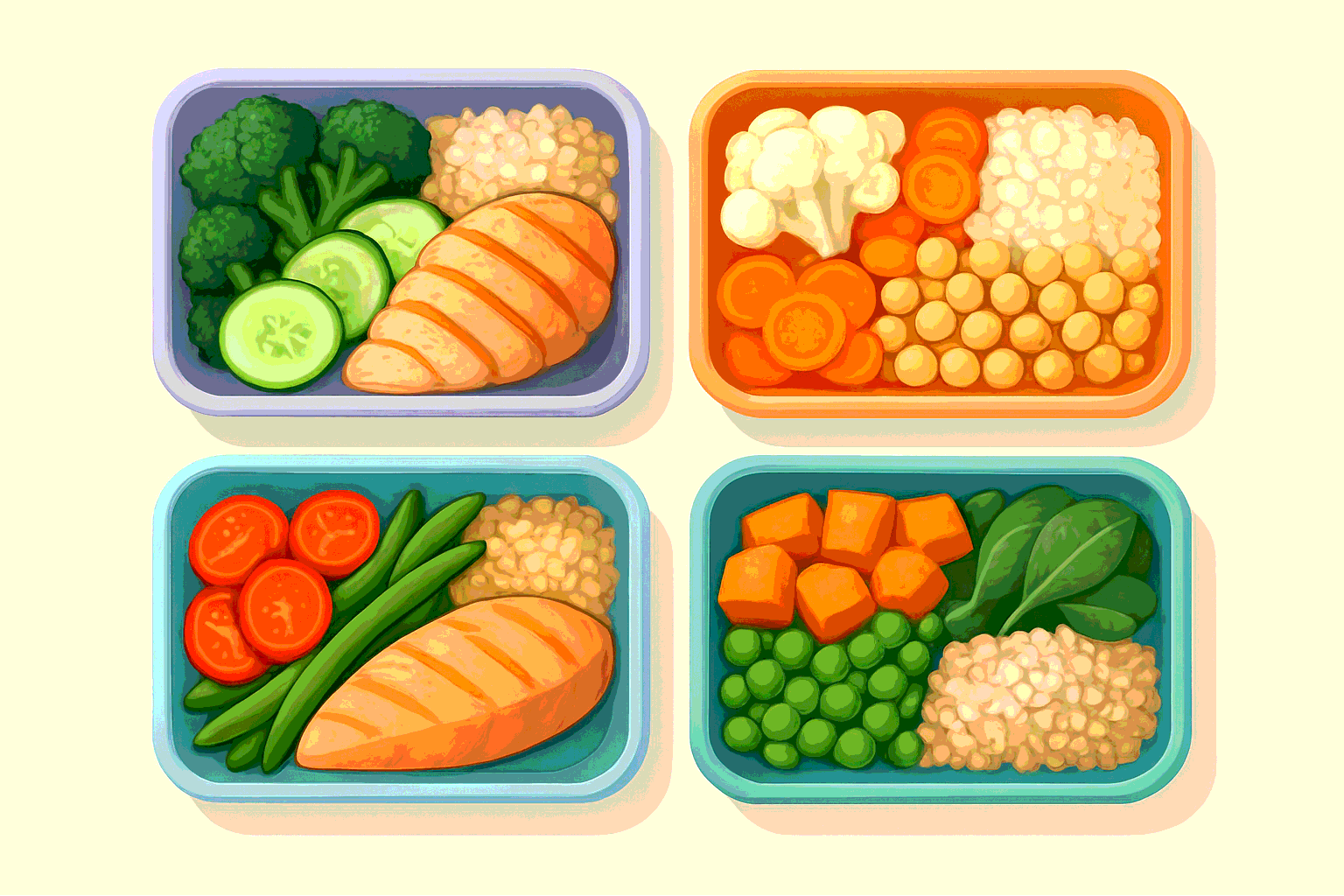
Healthy Eating on a Budget: A Practical Guide for Real Life
Eating well can feel expensive and confusing, especially when you see £10 smoothies and “superfood” powders everywhere. The good news: you don’t need any of that. You can eat nutritious, satisfying meals on a tight budget with simple planning and a few smart habits.
This guide breaks healthy eating on a budget into clear, practical steps you can actually use in everyday life—no nutrition degree required.
1. What “Healthy Eating” Really Means (Without the Hype)
Healthy eating isn’t about perfection or expensive “clean” foods. It’s about giving your body what it needs most of the time:
- Plenty of plants: vegetables, fruits, beans, lentils, whole grains, nuts, and seeds
- Enough protein: from beans, lentils, eggs, dairy, poultry, fish, tofu, etc.
- Healthy fats: from olive oil, nuts, seeds, avocado, and fatty fish
- Mostly minimally processed foods: foods that look close to how they started (oats, rice, frozen veggies, eggs, etc.)
- Reasonable portions of added sugar, salt, and highly processed snacks
You don’t need organic everything, fancy supplements, or name-brand “diet” foods. In fact, some of the healthiest foods are also the cheapest.
2. The Budget-Friendly Nutrition All-Stars
If you focus most of your shopping around these categories, you’ll get a lot of nutrition for every dollar.
Cheap, Nutritious Proteins
- Dried or canned beans (black beans, kidney beans, chickpeas, pinto beans)
- Lentils (red, green, brown)
- Eggs
- Canned tuna or salmon (in water or olive oil)
- Peanut butter or other nut butters
- Tofu or tempeh
- Plain Greek yogurt or regular yogurt
- Chicken thighs, drumsticks, or whole chicken (usually cheaper than chicken breast)
These give you protein (for muscles, hormones, immune system) plus fiber, healthy fats, and other nutrients that keep you full and energized.
Budget-Friendly Carbs and Whole Grains
- Oats (rolled or steel-cut)
- Brown rice or white rice (white is okay, especially if that’s what you’ll actually eat)
- Whole wheat pasta (or regular pasta if cheaper)
- Quinoa (often cheaper in bulk bins)
- Whole wheat bread or tortillas (store brands are often fine)
- Potatoes and sweet potatoes
- Corn tortillas
These foods give you energy and, if you choose whole grains often, more fiber to keep you full longer and support digestion.
Low-Cost Fruits and Vegetables
You don’t need fancy produce. Focus on what’s cheap, in season, and available where you live.
- Frozen vegetables (peas, mixed veggies, spinach, broccoli, stir-fry mixes)
- Frozen fruit (berries, mango, mixed fruit for smoothies or oatmeal)
- Carrots
- Cabbage (lasts a long time in the fridge)
- Onions and garlic (add flavor cheaply)
- Bananas
- Apples
- Oranges
- Canned tomatoes (diced, crushed, or sauce)
- In-season produce (usually on sale and tastier)
Frozen fruits and vegetables are just as nutritious as fresh (sometimes more, because they’re frozen at peak ripeness) and they don’t go bad as quickly.
Healthy Fats on a Budget
- Olive or canola oil
- Peanut butter (often cheaper than other nut butters)
- Sunflower seeds or peanuts
- Canned fatty fish (like salmon or sardines)
Healthy fats help you feel full, support brain health, and help your body absorb vitamins.
3. How to Plan Healthy Meals Without Spending Hours
Planning even a little bit saves money, reduces stress, and cuts food waste. You don’t need a complicated meal plan—just a simple structure.
Step 1: Check What You Already Have
- Look in your fridge, freezer, and pantry.
- Write down what needs to be used soon (wilting veggies, open yogurt, leftover rice, etc.).
- Plan to build meals around those items first.
Step 2: Use a Simple Meal Formula
For most meals, aim for this basic balance:
- 1 protein (beans, eggs, chicken, tofu, yogurt, etc.)
- 1–2 vegetables or fruits
- 1 whole grain or starchy food (rice, pasta, potatoes, oats, bread, tortillas)
- Some healthy fat (oil for cooking, nuts, seeds, avocado, peanut butter)
Think of it like building blocks. You don’t need recipes for every meal—just mix and match pieces you like.
Step 3: Plan 3–5 Go-To Meals Per Week
Instead of planning 21 different meals, choose a small set of repeatable options. For example:
- Breakfast ideas
- Oatmeal with banana and peanut butter
- Eggs with toast and frozen spinach
- Yogurt with frozen berries and oats
- Lunch ideas
- Rice and beans with salsa and frozen veggies
- Tuna salad on whole wheat bread with carrot sticks
- Lentil soup with bread or a baked potato
- Dinner ideas
- Stir-fry with frozen veggies, tofu or chicken, and rice
- Whole wheat pasta with tomato sauce, beans or ground turkey, and a side salad
- Baked chicken thighs, roasted potatoes, and carrots
Repeat your favorites. Healthy eating doesn’t need to be unique every day.
4. Smart Grocery Shopping: Spend Less, Get More
Make a Short, Focused List
Use your simple meal plan to write a list. Group it by sections of the store (produce, canned goods, dairy, frozen, etc.) so you get in and out faster and avoid impulse buys.
Buy Store Brands and Compare Unit Prices
- Store brands (generic) are often just as good as name brands, especially for basics like oats, rice, canned beans, and frozen veggies.
- Check the unit price on the shelf label (price per ounce, per pound, etc.) to see what’s truly cheaper.
Use the “Outer Aisles” Wisely (But Don’t Fear the Middle)
You’ll often hear “shop the perimeter,” where the produce, dairy, and meat are. That’s helpful, but the middle aisles also hold budget-friendly staples like:
- Oats, rice, pasta, and flour
- Canned beans and tomatoes
- Frozen fruits and vegetables
- Peanut butter and canned fish
The key is to choose mostly simple, minimally processed foods rather than sugary cereals, chips, and sweets as the main part of your cart.
Buy in Bulk (When It Truly Saves You Money)
- Bulk is helpful for non-perishables you use often: oats, rice, dried beans, lentils, frozen veggies, and canned tomatoes.
- Skip bulk deals on foods you rarely eat or that spoil quickly—you’re not saving money if you throw it away.
Use Sales—But With a Plan
- Check store flyers or apps before you shop.
- Stock up on staples when they’re on sale (like oats, rice, beans, frozen veggies, canned fish).
- Be careful with “buy 3, get 1 free” offers on snacks or sweets—only buy if you’d normally buy them anyway.
5. Cooking Shortcuts: Healthy Meals When You’re Tired and Busy
You don’t need to love cooking to eat well. A few simple techniques can turn cheap ingredients into filling meals fast.
Batch Cook Basics Once, Eat All Week
- Cook a big batch of grains (like rice, quinoa, or pasta) once and use it for several meals.
- Cook a big pot of beans or lentils (or use several cans) and freeze portions.
- Roast a tray of vegetables (carrots, potatoes, onions, frozen broccoli) to use as sides, in bowls, or in wraps.
Store cooked foods in containers so you can quickly assemble meals instead of starting from scratch every time.
One-Pot and Sheet-Pan Meals
These save time, dishes, and money. Here are a few simple ideas:
- One-pot lentil soup: sauté onions and carrots in oil, add lentils, canned tomatoes, water or broth, and spices (salt, pepper, garlic, herbs). Simmer until lentils are soft. Serve with bread.
- Rice and beans skillet: cook onions and garlic in oil, add cooked rice, canned beans, frozen veggies, and salsa or canned tomatoes. Season to taste.
- Sheet-pan chicken and veggies: place chicken thighs and chopped vegetables on a baking sheet, drizzle with oil, add salt and any herbs or spices, and roast until cooked through.
Make Flavor Your Friend (Cheaply)
Healthy food doesn’t have to be bland. A few low-cost flavor boosters:
- Onions and garlic
- Spices (chili powder, cumin, paprika, Italian seasoning, curry powder)
- Soy sauce or low-sodium soy sauce
- Lemon juice or vinegar (adds brightness)
- Salsa (great for rice, beans, eggs, and baked potatoes)
Start with a few spices you like and build from there.
6. Sample Low-Cost Daily Meal Plan
Here’s an example of what a simple, budget-friendly day of eating might look like. Adjust portions and ingredients for your needs and preferences.
Breakfast
- Oatmeal cooked with water or milk
- Topped with:
- 1 sliced banana
- 1–2 tablespoons peanut butter
- Optional: sprinkle of cinnamon
This gives you whole grains, fiber, protein, and healthy fats that keep you full.
Lunch
- Rice and beans bowl
- Cooked brown or white rice
- Canned black beans (rinsed)
- Frozen mixed vegetables (heated)
- Salsa and a drizzle of oil or a spoonful of plain yogurt
Simple, filling, and easy to pack for work or school.
Snack
- 1 apple or orange
- A small handful of peanuts or sunflower seeds
This combo gives you fiber and healthy fats to tide you over.
Dinner
- One-pan chicken and veggies
- Chicken thighs, seasoned with salt, pepper, and herbs
- Chopped potatoes and carrots
- Drizzle with oil and roast until done
- Side of frozen peas or green beans, steamed or microwaved
Leftovers can become lunch the next day.
7. Eating Healthy on a Budget With Dietary Restrictions
Vegetarian or Vegan
- Rely on beans, lentils, tofu, and peanut butter for protein.
- Use oats, rice, pasta, potatoes, and bread for affordable energy.
- Get fats from oils, nuts, and seeds.
- If possible, consider a vitamin B12 supplement (ask a healthcare provider or dietitian).
Gluten-Free
- Focus on naturally gluten-free staples like rice, potatoes, corn tortillas, oats labeled gluten-free, quinoa.
- Beans, lentils, eggs, dairy, and most fresh produce are naturally gluten-free.
- Specialty gluten-free bread and snacks can be pricey—use them as extras, not the base of your diet, if you’re watching costs.
Diabetes or Blood Sugar Concerns
Budget-friendly doesn’t have to mean blood-sugar spikes. Some helpful strategies:
- Include protein and fiber with each meal (beans, lentils, eggs, yogurt, veggies).
- Choose whole grains (oats, brown rice, whole wheat bread) often.
- Watch portion sizes of sugary drinks, sweets, and white bread/pasta.
- If you have diabetes, follow your healthcare provider’s advice and ask about meeting with a dietitian if possible.
8. Avoiding Common Budget and Nutrition Traps
Trap 1: Skipping Meals to Save Money
Skipping meals often backfires—you get overly hungry and end up grabbing fast food or overeating later. Instead, aim for simple, cheap meals and snacks throughout the day.
Trap 2: Relying on Fast Food or Takeout
It feels convenient, but those small purchases add up fast. Even a few basic home-cooked meals per week can save a lot.
If you do buy fast food sometimes, you can still make slightly better choices: choose water instead of soda, add a side salad or fruit, or skip the extra-large portions.
Trap 3: Thinking Healthy = All or Nothing
You don’t have to eat perfectly. Focus on small, doable improvements:
- Add one vegetable or fruit to a meal you already eat.
- Swap soda for water once a day.
- Cook at home one more time per week than you do now.
These small steps add up over time.
9. Simple Ways to Stay Consistent
- Repeat meals you like: it’s okay to eat the same breakfast or lunch most days.
- Keep “emergency” foods on hand: canned beans, pasta, rice, frozen veggies, eggs, and peanut butter can become quick meals when you’re tired.
- Prep when you have energy: chop veggies or cook grains on weekends or when you feel up to it.
- Make it enjoyable: play music while you cook, involve family, or try one new recipe every week or two.
10. Final Thoughts: Progress Over Perfection
Healthy eating on a budget is absolutely possible with simple foods, basic cooking, and a bit of planning. You don’t need expensive products or complicated rules—just focus on:
- Building meals around beans, grains, veggies, fruits, and affordable proteins
- Shopping with a short, intentional list
- Cooking simple, repeatable meals you actually enjoy
Start small. Pick one or two ideas from this guide to try this week—maybe swapping one takeout meal for a simple rice and beans bowl, or adding oatmeal as a budget-friendly breakfast. Over time, those small changes can make a big difference for your health and your wallet.