
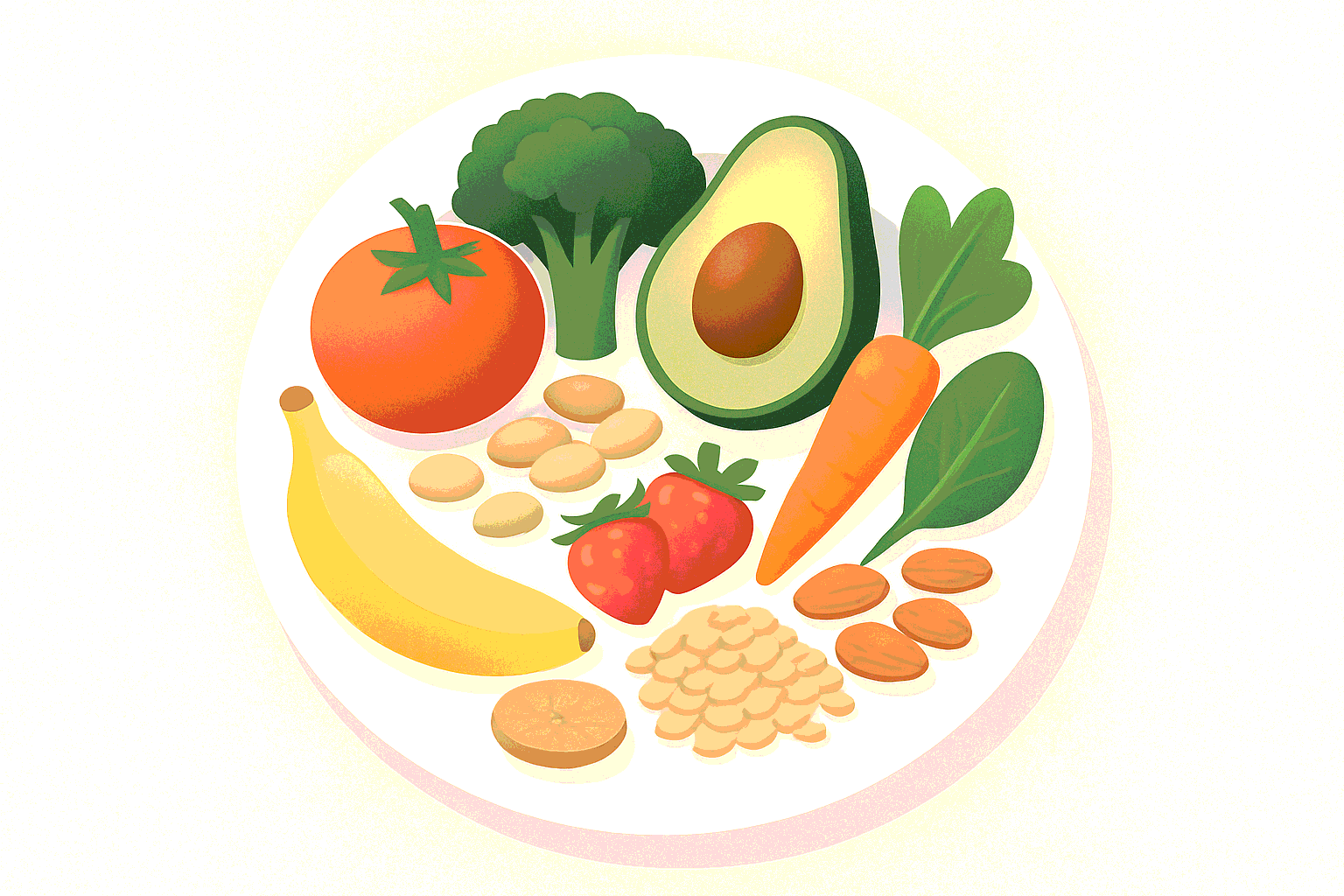
A guide to forming sustainable eating habits without counting calories or strict diets.
How to Build a Healthier Diet (Without Going Crazy or Going Broke)
Improving your diet doesn’t have to mean giving up everything you love, buying expensive “superfoods,” or following a strict plan you can’t sustain. Small, realistic changes add up over time and can dramatically improve your energy, weight, and long-term health.
This guide breaks healthy eating down into simple steps you can actually follow in everyday life—no nutrition degree required.
1. Start With the Big Picture: What a “Healthy Diet” Really Means
A healthy diet isn’t one specific meal plan or trend. It’s a pattern of eating that, over weeks and months, gives your body what it needs and limits what harms it.
Most evidence-based guidelines agree on a few basics:
- Plenty of vegetables and fruits
- Mostly whole, minimally processed foods
- Lean proteins (animal or plant-based)
- Whole grains instead of refined grains
- Healthy fats (like olive oil, nuts, seeds, avocado, oily fish)
- Limited added sugar, salt, and ultra-processed foods
You don’t need to eat perfectly. Aim for “better most of the time” rather than “perfect all of the time.”
2. Understand the Basics: Protein, Carbs, and Fats
You don’t need to count every gram, but understanding the major nutrients helps you build satisfying, balanced meals.
Protein: Your Building Blocks
Protein helps build and repair muscles, supports your immune system, and keeps you full longer.
- Animal sources: eggs, chicken, turkey, fish, seafood, lean beef, yogurt, cottage cheese, cheese
- Plant sources: beans, lentils, chickpeas, tofu, tempeh, edamame, nuts, seeds, quinoa
Practical target: include a palm-sized portion of protein at each main meal. If you’re very active, older, or trying to lose weight, a bit more can help.
Carbohydrates: Your Main Energy Source
Carbs fuel your brain and muscles. The type of carb matters more than the total amount for most people.
- Choose more: oats, brown rice, quinoa, whole-wheat bread and pasta, potatoes with skin, sweet potatoes, beans, lentils, fruit
- Limit: white bread, pastries, sugary drinks, sweets, many packaged snacks
Practical target: aim for a fist-sized portion of whole or minimally processed carbs at meals, adjusting up or down based on your hunger and activity.
Fats: Essential, Not the Enemy
Fats support hormones, brain health, and vitamin absorption. The type of fat is key.
- Healthy fats: olive oil, avocado, nuts, seeds, nut butters, oily fish (salmon, sardines, mackerel), olives
- Limit: large amounts of butter, lard, processed meats, deep-fried foods, foods high in trans fats (often in older packaged baked goods and some fast food)
Practical target: include a thumb-sized amount of added fats (like oil, butter, mayo) or a small handful of nuts/seeds with meals.
3. Build a Balanced Plate (No Measuring Required)
Instead of counting calories, use a simple plate method. It works at home, at restaurants, and even at buffets.
- ½ plate: vegetables and/or fruit (more vegetables than fruit when you can)
- ¼ plate: protein (chicken, fish, tofu, beans, eggs, etc.)
- ¼ plate: whole-grain or starchy carbs (brown rice, whole-wheat pasta, potatoes, corn, beans)
- Plus: a small amount of healthy fat (olive oil, avocado, nuts, seeds, dressing)
This approach naturally increases fiber and nutrients while helping with appetite control and weight management.
4. Make Healthy Eating Affordable
Healthy food doesn’t have to be fancy or expensive. You can eat well on a budget with a bit of planning.
Budget-Friendly Staples
- Proteins: eggs, canned tuna or salmon, dried or canned beans and lentils, peanut butter, frozen chicken thighs, tofu
- Carbs: oats, brown rice, whole-wheat pasta, potatoes, sweet potatoes, frozen corn or peas
- Fruits & veggies: frozen mixed vegetables, frozen berries, carrots, onions, cabbage, apples, bananas, seasonal produce
Simple Money-Saving Tips
- Buy frozen: frozen fruits and vegetables are often cheaper and just as nutritious as fresh.
- Use store brands: generic oats, rice, beans, and frozen veggies are usually identical to name brands.
- Plan 2–3 simple meals: repeat ingredients across meals to reduce waste (e.g., a big bag of carrots used in stir-fries, soups, and snacks).
- Cook once, eat twice: make extra for leftovers so you’re less tempted by expensive takeout.
- Limit “extras”: drinks, snacks, and desserts add up quickly in cost and calories.
5. Make Changes That Actually Stick
Most diets fail because they demand too much, too fast. Focus on small, realistic changes you can live with long term.
Step 1: Pick 1–2 Habits at a Time
Instead of trying to overhaul everything, choose one food habit and one drink habit to improve for the next 2–3 weeks.
- Food habit examples: add a vegetable to lunch and dinner; eat protein at breakfast; swap white bread for whole-grain.
- Drink habit examples: replace one sugary drink per day with water; limit alcohol to weekends; keep soda as an occasional treat instead of daily.
Step 2: Make It Easy, Not Perfect
- Keep healthy foods visible and ready to eat (washed fruit on the counter, chopped veggies in the fridge).
- Use shortcuts like pre-cut veggies, rotisserie chicken, or frozen meals with decent ingredient lists when life is busy.
- Don’t rely on willpower alone—set up your environment to support your goals (for example, don’t keep large amounts of junk food at home).
Step 3: Plan for “Real Life”
There will be birthdays, holidays, stressful days, and late nights. That’s normal. The goal is progress, not perfection.
- Enjoy special foods mindfully, without guilt.
- Get back to your usual routine at the next meal instead of “starting over Monday.”
- Think in terms of weekly patterns, not single meals.
6. Practical Meal Ideas for Busy Days
You don’t need complicated recipes. Aim for simple meals that follow the plate method.
Quick Breakfast Ideas
- Overnight oats: oats + milk or yogurt + fruit + nuts or seeds (prepare the night before).
- Eggs and toast: 2 eggs (boiled, scrambled, or fried in a little oil) + whole-grain toast + fruit.
- Yogurt bowl: plain yogurt + berries or banana + handful of granola or oats + drizzle of honey if needed.
- On-the-go option: banana + handful of nuts + hard-boiled egg.
Simple Lunch Ideas
- Leftovers: last night’s dinner is often the easiest healthy lunch.
- Grain bowl: brown rice or quinoa + beans or chicken + mixed veggies (fresh or frozen) + olive oil or simple dressing.
- Sandwich: whole-grain bread + turkey, tuna, or hummus + lettuce/tomato/cucumber + fruit on the side.
- Big salad: greens + protein (eggs, beans, chicken, tofu) + colorful veggies + nuts/seeds + olive oil/vinegar dressing + whole-grain bread or crackers.
Easy Dinner Ideas
- Sheet-pan meal: chicken thighs or tofu + chopped veggies (carrots, broccoli, onions, peppers) + potatoes or sweet potatoes, tossed in olive oil and baked.
- Stir-fry: frozen mixed veggies + sliced chicken, shrimp, or tofu + soy sauce/garlic/ginger over brown rice or noodles.
- One-pot chili: beans + ground turkey or beef (optional) + canned tomatoes + onions + spices; serve with rice or whole-grain bread.
- Simple pasta: whole-wheat pasta + tomato sauce + frozen spinach + beans or chicken, topped with a little cheese.
7. Smart Snacking (So You Don’t Arrive at Meals Starving)
Snacks can help keep your energy steady and prevent overeating later—if you choose them wisely.
Build a Better Snack
Pair fiber or fruit/veg with protein or healthy fat:
- Apple + peanut butter
- Carrot sticks + hummus
- Greek yogurt + berries
- Handful of nuts + piece of fruit
- Whole-grain crackers + cheese
- Boiled egg + cherry tomatoes
Try to avoid mindless snacking straight from large bags or while distracted. Serve a portion in a bowl or on a plate and sit down to eat it when you can.
8. Hydration: The Overlooked Habit
Even mild dehydration can make you feel tired, foggy, and hungry when you’re actually just thirsty.
- Aim for about 6–8 cups (1.5–2 liters) of fluids per day for most adults, more if you’re very active or it’s hot.
- Water is best; unsweetened tea, sparkling water, and black coffee also count.
- Limit sugary drinks (soda, sweet tea, energy drinks, many coffee drinks) to occasional treats.
Simple trick: keep a reusable bottle where you spend most of your time—on your desk, in your bag, or in the car.
9. Eating for Specific Goals: Weight, Energy, and Health
If Your Goal Is Weight Loss
- Focus on more protein and fiber (vegetables, fruits, whole grains, beans) to stay full.
- Use the plate method and slightly shrink the carb portion or overall plate size.
- Watch drinks—liquid calories from soda, juice, alcohol, and coffee drinks add up quickly.
- Aim for slow, steady changes, like 0.25–0.5 kg (0.5–1 lb) per week, rather than extreme diets.
If Your Goal Is More Energy
- Don’t skip meals regularly, especially breakfast or lunch.
- Include a source of protein and fiber at each meal and snack.
- Balance caffeine—too much can disrupt sleep, which drains daytime energy.
- Stay hydrated; even mild dehydration can cause fatigue.
If You’re Managing Health Conditions
If you have diabetes, heart disease, kidney issues, food allergies, or other medical conditions, you may need more specific guidance. In that case, it’s important to:
- Talk with your doctor before making big diet changes.
- Ask for a referral to a registered dietitian who can personalize a plan for you.
- Be cautious of extreme diets or supplements promising quick fixes.
10. Common Myths to Ignore
- “Carbs are bad.” Whole, minimally processed carbs (like oats, beans, fruit, and potatoes) are healthy and important for most people.
- “You must cut out entire food groups.” Unless you have an allergy or medical reason, this usually isn’t necessary and can backfire.
- “Healthy eating is all-or-nothing.” One “off” meal doesn’t ruin anything. What matters is what you do most of the time.
- “You need expensive superfoods.” Simple foods like beans, oats, carrots, apples, and eggs are just as powerful for health.
11. A Simple 7-Day “Better Eating” Starter Plan
You don’t have to follow this perfectly, but it can give you an idea of what a realistic week might look like.
- Daily basics:
- Eat at least 1 fruit and 2 vegetables.
- Include protein at each main meal.
- Drink mostly water.
- Day 1–2: Add a vegetable to lunch and dinner.
- Day 3–4: Swap one refined grain (white bread, white rice) for a whole-grain version.
- Day 5–6: Replace one sugary drink or dessert with fruit or flavored water.
- Day 7: Plan 2–3 simple meals and snacks for the next week using the ideas above.
Repeat this pattern, adding or adjusting habits each week as they start to feel natural.
12. The Bottom Line
Healthy eating isn’t about perfection, strict rules, or expensive foods. It’s about:
- Eating more whole, minimally processed foods
- Building balanced plates with protein, fiber-rich carbs, and healthy fats
- Making small, realistic changes you can keep doing
- Being kind to yourself when life gets messy and meals aren’t perfect
Choose one simple change from this guide and start today—add a vegetable to dinner, drink water instead of soda once, or cook one more meal at home this week. Those small steps are how lasting, healthier habits are built.