
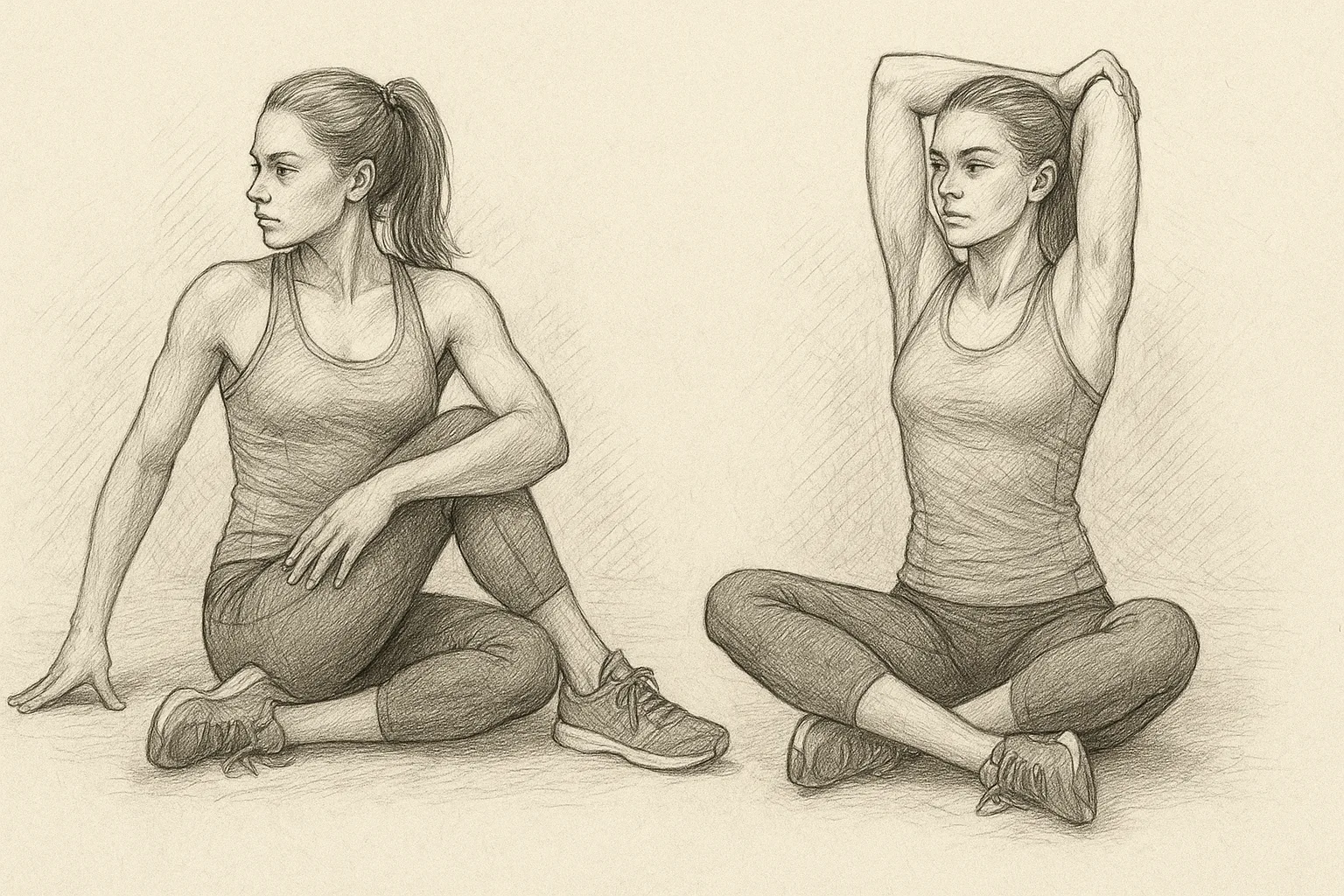
Why Mobility Exercises Matter for Better Posture
Good posture is more than just standing up straight; it’s about maintaining the right alignment of your body to reduce strain on muscles and joints. Mobility exercises play a key role in supporting better posture by improving the range of motion in your joints and flexibility in your muscles. When your body moves freely and comfortably, it’s easier to maintain a natural, upright position throughout the day.
Many people experience poor posture due to prolonged sitting, repetitive movements, or muscle tightness. This can lead to discomfort, fatigue, and even long-term issues like back or neck pain. Incorporating simple mobility exercises into your daily routine can help you feel better, move more easily, and support a healthy posture over time.
Simple Mobility Exercises to Improve Your Posture
Here are some practical mobility exercises that target key areas involved in posture, including the shoulders, spine, hips, and chest. Try to do these exercises daily or at least several times a week for the best results.
1. Shoulder Rolls
- How to do it: Sit or stand comfortably with your back straight. Slowly roll your shoulders forward in a circular motion 10 times, then reverse the direction and roll them backwards 10 times.
- Why it helps: This movement releases tension in the shoulder muscles and increases joint mobility, helping prevent the shoulders from rounding forward.
2. Cat-Cow Stretch
- How to do it: Get on all fours with your hands under your shoulders and knees under your hips. As you inhale, arch your back, lifting your chest and tailbone towards the ceiling (Cow). As you exhale, round your spine towards the ceiling and tuck your chin to your chest (Cat). Repeat slowly 8–10 times.
- Why it helps: This dynamic stretch increases spinal flexibility and promotes awareness of your back’s natural curves, essential for good posture.
3. Chest Opener Stretch
- How to do it: Stand tall and clasp your hands behind your back. Gently straighten your arms and lift your chest while squeezing your shoulder blades together. Hold for 20–30 seconds and repeat 2–3 times.
- Why it helps: Tight chest muscles can pull your shoulders forward, leading to slouching. This stretch opens up the chest and encourages a more upright posture.
4. Hip Flexor Stretch
- How to do it: Kneel on your right knee with your left foot in front, forming a 90-degree angle with your left knee. Shift your weight forward slightly until you feel a stretch in the front of your right hip. Hold for 20–30 seconds, then switch sides.
- Why it helps: Sitting for long periods often tightens hip flexors, which can tilt the pelvis forward and negatively affect posture. Stretching these muscles helps restore balance.
5. Thoracic Spine Rotation
- How to do it: Sit on a chair with your feet flat on the floor. Cross your arms over your chest and slowly rotate your upper body to the right as far as comfortable. Hold for a few seconds, then rotate to the left. Repeat 8–10 times each side.
- Why it helps: This exercise improves mobility in the mid-back, which is important for maintaining an upright posture and reducing stiffness.
Step-by-Step Tips for Building a Sustainable Mobility Routine
- Start Small: Choose 2–3 exercises to begin with and focus on doing them consistently rather than trying everything at once.
- Set a Regular Time: Aim to do your mobility exercises at the same time each day, such as after waking up or before bed, to build a habit.
- Focus on Quality: Move slowly and mindfully through each exercise, paying attention to your body’s sensations rather than rushing.
- Combine with Movement Breaks: If you have a desk job, take short breaks every hour to do a few mobility moves to counteract prolonged sitting.
- Stay Consistent: Mobility improvements take time. Even if progress feels slow, regular practice will lead to noticeable benefits.
Common Myths About Mobility and Posture
It’s easy to get confused by the many tips and tricks around posture and mobility. Let’s clear up some common myths:
- Myth 1: You need to be flexible to do mobility exercises. Truth: Mobility work is about improving movement within your current range, not forcing flexibility. Everyone can benefit, regardless of their starting point.
- Myth 2: Sitting up straight all day is enough for good posture. Truth: Holding one position for too long, even sitting upright, can cause stiffness and discomfort. Regular movement and mobility exercises are essential.
- Myth 3: You must do intense workouts to fix posture. Truth: Gentle, consistent mobility exercises are often more effective and sustainable than intense or infrequent workouts.
- Myth 4: Posture is only about your back. Truth: Posture involves your whole body, including hips, shoulders, and neck. Mobility exercises address these areas to support overall alignment.
Tips for Maintaining Good Posture Beyond Mobility Exercises
While mobility exercises are crucial, combining them with good daily habits enhances their benefits:
- Be Mindful of Your Posture: Check in with your body throughout the day and adjust as needed.
- Use Ergonomic Supports: Arrange your workspace to support a neutral posture, such as using a chair with good lumbar support.
- Stay Active: Incorporate regular physical activity like walking or swimming to keep your muscles engaged and balanced.
- Manage Stress: Stress often causes muscle tension that can worsen posture. Relaxation techniques can help.
Conclusion
Improving your posture doesn’t require complicated routines or special equipment. By incorporating simple mobility exercises like shoulder rolls, cat-cow stretches, and hip flexor stretches into your daily life, you can support better alignment, reduce discomfort, and feel more comfortable in your body. Remember, the key is consistency and gentle movement rather than perfection. With time, these small steps can make a big difference in your overall wellbeing.
This article provides general educational information only and is not a substitute for professional medical advice. Always consult a qualified healthcare professional for personal guidance.