
Series: The UK Allotment Year
Phase 1: The Allotment Year — Month by Month — Part 3 of 50
This phase walks through the UK allotment year month by month — from planning in January to reflecting in December. Perfect for beginners or seasoned growers who want a month-by-month checklist for thriving plots.
March Allotment Jobs: Soil Prep and First Seed Sowing
March marks an exciting turning point on UK allotments. After the quiet winter months, the soil begins to warm and daylight hours lengthen, inviting gardeners to get hands on. It’s the time to prepare your plots and sow the first seeds that will set the foundation for a fruitful growing season. Taking the right steps now means healthier crops and a more productive year ahead.
Preparing Your Soil: The Foundation for Success
The condition of your soil in March can make all the difference. Winter’s wet and cold may have left it compacted or nutrient-depleted. Here’s what to do to get your soil in tip-top shape:
- Assess Soil Moisture: Avoid working soil that is too wet to prevent compaction. Press a handful of soil; if it sticks and squashes easily, wait a few days for it to dry.
- Clear Debris and Weeds: Remove dead plant material and any persistent weeds to reduce pests and diseases.
- Lightly Fork Over the Soil: Use a garden fork to gently loosen the top 15-20cm (6-8 inches) of soil. This improves aeration and drainage without disturbing soil structure too much.
- Add Organic Matter: Incorporate well-rotted compost or organic manure to enrich soil fertility. Spread a 2.5-5cm (1-2 inch) layer and fork it in.
- Consider Soil pH and Nutrients: If you haven’t recently, test your soil pH. Most vegetables prefer slightly acidic to neutral (pH 6-7). You can add garden lime to raise pH or sulphur to lower it if needed.
- Mulch Bare Areas: Apply organic mulch like straw or leaf mould to retain moisture and suppress weeds around prepared beds.
First Seed Sowing: Timing and Tips
March is the ideal month to sow many hardy vegetables and herbs directly outdoors or under cover. Early sowing gets crops off to a strong start. Here are popular choices and how to approach them:
- Outside Sowing:
- Peas: Sow directly in well-prepared soil, spacing seeds about 5cm (2 inches) apart.
- Broad beans: Plant in trenches about 5cm deep for early harvests.
- Spinach and radishes: These fast-growing crops can be sown thinly and thinned later.
- Onions and shallots sets: Plant these bulbs for summer harvest.
- Indoor or Cold Frame Sowing:
- Tomatoes, peppers, and aubergines: Start seeds indoors or in a heated propagator.
- Leeks and early cabbages: Sow under cover for transplanting later.
- Herbs like basil and parsley: Sow in pots or trays indoors.
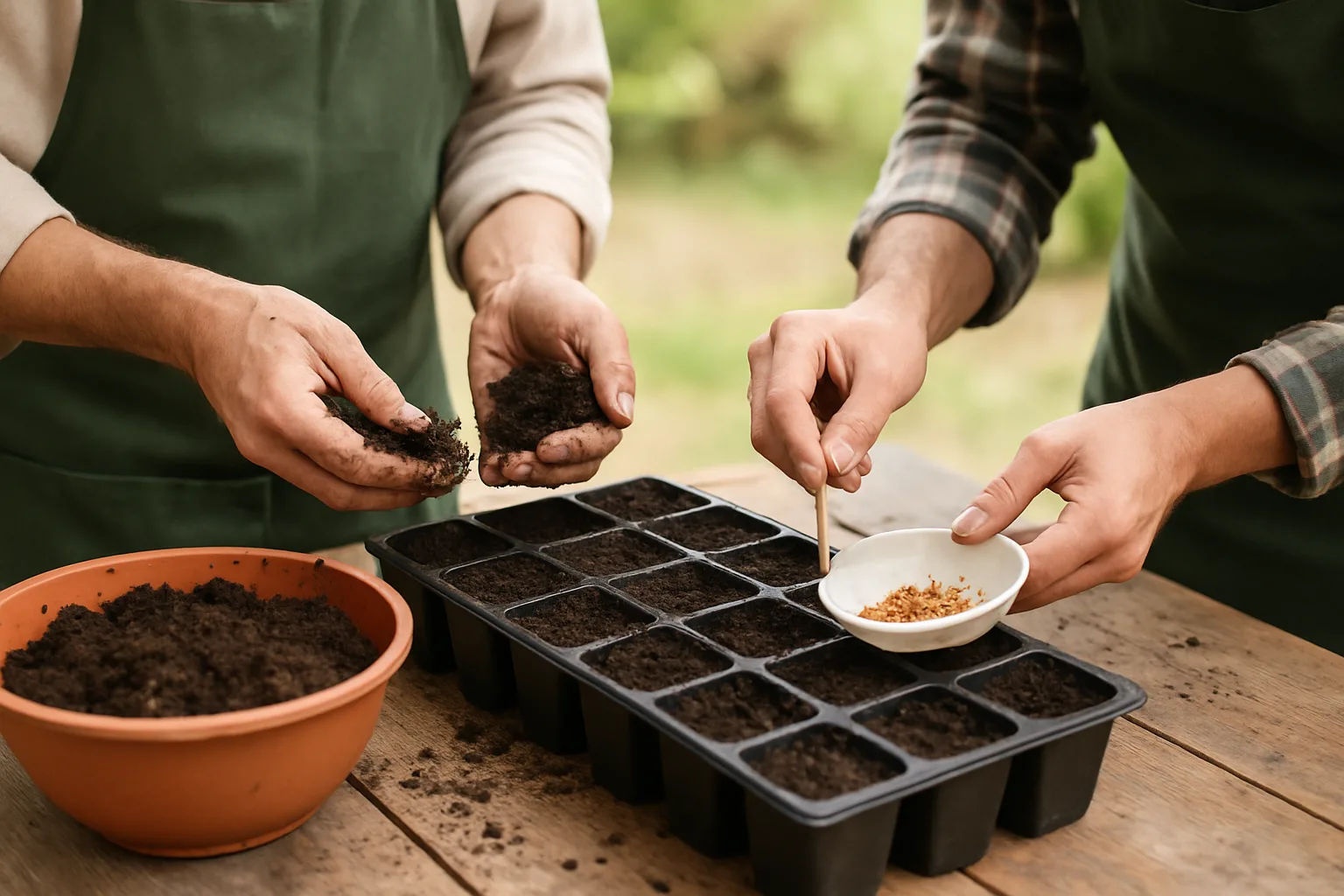
Use seed trays or pots filled with a light, well-draining seed compost. Keep them moist but not waterlogged, and provide warmth and light to encourage germination.
Essential Tools and Materials for March Jobs
- Garden fork – for gentle soil loosening
- Hand fork and trowel – for smaller areas and transplanting
- Compost or well-rotted manure – organic soil amendment
- Mulch materials – straw, leaf mould, or grass clippings
- Seed trays, pots, and seed compost – for indoor sowing
- Labels and waterproof marker – to keep track of seed varieties and dates
- Watering can or gentle hose spray – for keeping seeds moist
Quick Checklist for March Allotment Jobs
- Check soil moisture before working your plot
- Clear debris and persistent weeds
- Fork over the soil and add organic matter
- Test soil pH if needed and adjust accordingly
- Mulch bare soil to conserve moisture
- Sow hardy seeds directly outdoors
- Start tender seeds indoors or in a cold frame
- Label all seed trays and outdoor sowings
- Keep newly sown seeds moist but not waterlogged
Common Mistakes to Avoid
- Working Soil When Too Wet: This leads to compaction, harming soil structure and root growth.
- Skipping Soil Preparation: Neglecting to add organic matter reduces fertility and water retention.
- Overcrowding Seeds: Planting seeds too densely causes weak plants and poor air circulation.
- Ignoring Seed Depth Instructions: Planting too deep or shallow affects germination success.
- Overwatering Seedlings: Excess moisture encourages damping-off disease and rot.
Next Steps in March and Beyond
Once your soil is prepared and early seeds are sown, keep an eye on weather forecasts and soil conditions. Protect tender seedlings from late frosts with cloches or fleece. Continue indoor sowings for crops like courgettes and cucumbers towards the end of March. As the month progresses, start planning your crop rotation and succession sowings to maintain a steady supply through the year.
By tackling these March tasks with care and confidence, you’ll be well on your way to a thriving and rewarding allotment season.
Previous: What to Plant in February: Early Crops and Cold Frame Tips
Next: April Growing Guide: Potatoes, Peas, and Polytunnel Action