
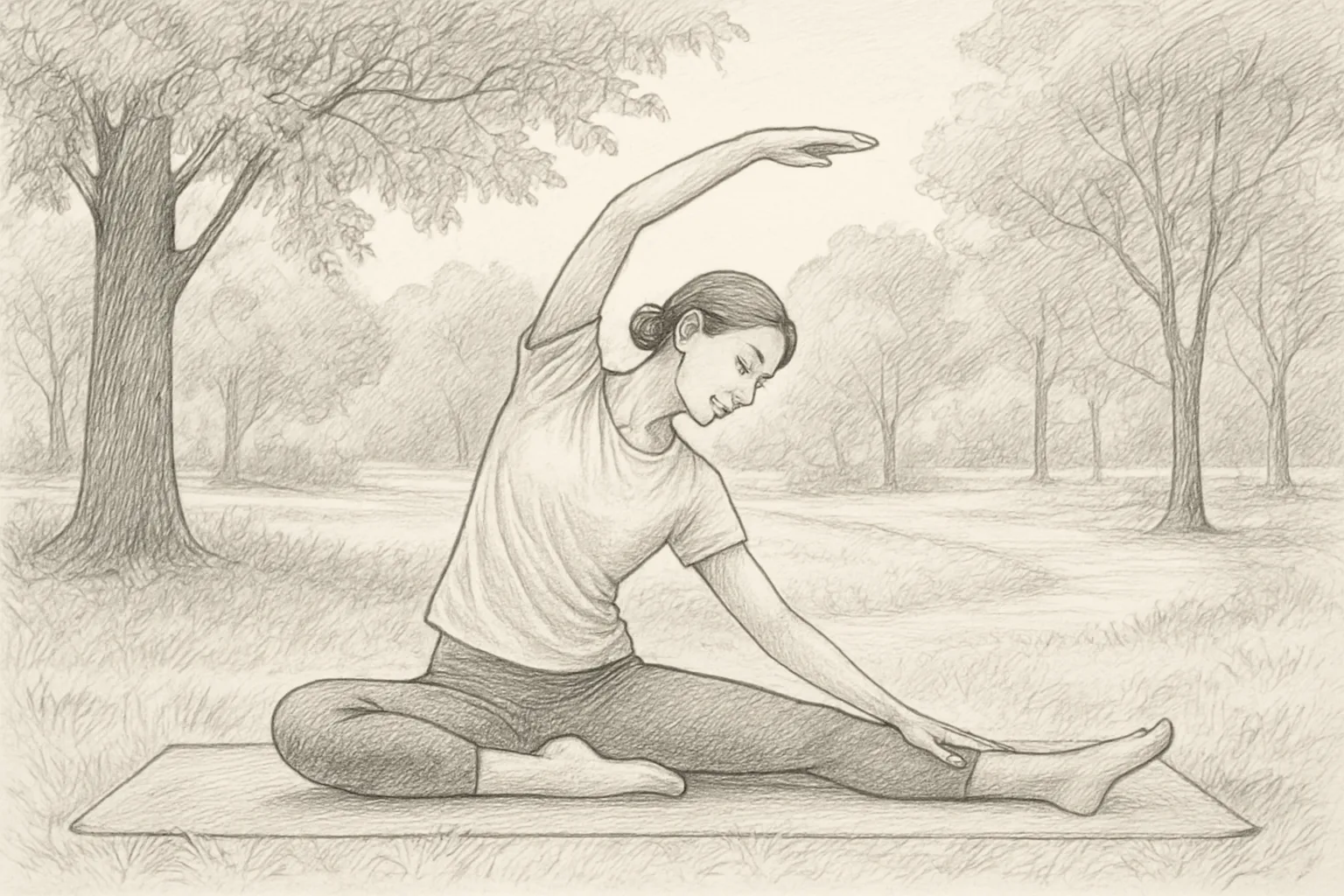
Why Gentle Movement Is Still Beneficial for Your Health and Wellbeing
When we think about exercise and staying active, it’s easy to imagine intense workouts, long runs, or heavy lifting. However, gentle movement—like walking, stretching, or light yoga—offers a host of benefits that are often overlooked. Whether you’re new to physical activity, recovering from an injury, or simply looking for sustainable ways to stay healthy, gentle movement can play a vital role in your overall wellbeing.
What Counts as Gentle Movement?
Gentle movement includes any physical activity that is low impact and doesn’t push your body to exhaustion. Examples include:
- Leisurely walking or strolling
- Light stretching or mobility exercises
- Slow-paced yoga or tai chi
- Gentle cycling or swimming
- Household activities like gardening or tidying
These movements might feel easy or less intense, but they still engage your muscles, improve circulation, and support your joints.
Benefits of Gentle Movement
1. Supports Physical Health
Regular gentle movement helps maintain flexibility, balance, and muscle tone. This can reduce the risk of falls, improve posture, and prevent stiffness that often comes with sitting for long periods. It also encourages better circulation, which benefits your heart and overall cardiovascular system without stressing your body.
2. Boosts Mental Wellbeing
Gentle movement has been shown to reduce stress and anxiety. Activities like slow walking or stretching activate the parasympathetic nervous system, which helps your body relax. This can improve mood, clear your mind, and promote better sleep.
3. Encourages Sustainable Habits
Because gentle movement is accessible and low risk, it’s easier to maintain consistently compared to more intense exercise routines. This builds a positive habit of regular activity that feels manageable, not overwhelming.
Step-by-Step Tips to Incorporate Gentle Movement Into Your Daily Life
- Start Small: Begin with just 5 to 10 minutes of gentle movement daily, such as a slow walk around the block or simple stretching.
- Set Reminders: Use phone alarms or notes to remind yourself to move gently every hour if you sit a lot during the day.
- Choose Enjoyable Activities: Pick gentle movements you enjoy, like gardening, dancing slowly to music, or a calming yoga routine.
- Focus on Breath: Combine gentle movement with deep, mindful breathing to enhance relaxation and oxygen flow.
- Use Props: Chairs, walls, or cushions can support your body during gentle stretches or balance exercises.
- Listen to Your Body: Move within your comfort zone and avoid pushing into pain or discomfort.
- Make It Social: Invite a friend or join a gentle movement class to stay motivated.
Common Myths About Gentle Movement
Myth 1: Only Intense Exercise Counts as ‘Real’ Activity
Truth: Any movement that gets you up and moving benefits your body. Gentle movement can improve your health just as effectively over time, especially when done consistently.
Myth 2: Gentle Movement Won’t Help with Weight or Fitness
Truth: While gentle movement may not burn as many calories as vigorous exercise, it supports metabolism, muscle function, and mental wellbeing—all important for healthy weight management and fitness.
Myth 3: If You’re Not Sweating or Out of Breath, It’s Not Exercise
Truth: Exercise doesn’t have to be intense or exhausting to be valuable. Gentle activities improve circulation, flexibility, and reduce stress, which are key components of health.
Myth 4: Gentle Movement Is Only for Older Adults or Those With Injuries
Truth: Everyone can benefit from gentle movement. It’s a great way to warm up, recover, or add variety to any fitness routine, regardless of age or ability.
Making Gentle Movement a Lasting Part of Your Life
The key to enjoying the benefits of gentle movement is consistency. Instead of aiming for the occasional vigorous workout, try to weave gentle movement naturally into your daily routine. This might mean taking a few extra minutes to stretch after waking up, walking during phone calls, or joining a gentle yoga class once a week.
Remember, the goal is progress, not perfection. Celebrate small wins and stay curious about how different gentle movements make you feel. Over time, these habits can improve your energy, reduce discomfort, and enhance your overall wellbeing.
Conclusion
Gentle movement is a powerful, accessible way to support both your physical and mental health. It promotes flexibility, reduces stress, and builds lasting habits without pressure or risk of injury. Whether you’re new to exercise or looking for a sustainable way to stay active, embracing gentle movement can enrich your daily life and wellbeing. Start small, listen to your body, and enjoy the journey toward a healthier you.
This article provides general educational information only and is not a substitute for professional medical advice. Always consult a qualified healthcare professional for personal guidance.