
Series: History of Shimla, Himachal Pradesh, India
Phase 1: Ancient & Early Roots — Part 5 of 30
This article is part of a broader historical series exploring the earliest layers of human presence in the western Himalayas. Beginning with landscape, belief, and early patterns of movement and settlement, the series traces how communities adapted to mountainous environments long before formal states or written records emerged. These foundational centuries shaped cultural memory, local traditions, and relationships with the land that would endure through later periods of change.
At the Edge of the Monsoon: Dawn Over the Upper Sutlej
In the hush before sunrise, cool mists curl through the cedar and oak forests that drape the ridges above what is now Shimla. Far below, the Sutlej River carves its restless course, a silver ribbon marking the northern boundary of these hills. For centuries before the name “Shimla” entered any written record, these uplands stood as both threshold and refuge—a crossroads for those braving the formidable passes between the plains of the Punjab and the hidden valleys of the Himalaya.
Geographic Foundations: Hills Between Plains and High Mountains
Shimla’s position atop the lower Himalayas has always been more than picturesque. The region sits at a pivotal altitude—high enough to offer respite from the heat of the Indo-Gangetic plains, yet not so remote as the snow-clad inner ranges that rise to the north. Historical records from the early medieval period, such as regional gazetteers of the Punjab Hill States, situate this area as a buffer zone: a transitional terrain between the fertile alluvial plains and the high Himalayan cultures further up the Sutlej and beyond.
Archaeological evidence remains sparse, but the enduring network of ancient footpaths and mule tracks—some still in use today—suggests a persistent pattern of movement through these hills. These trails, winding along ridgelines and plunging into forested ravines, have long connected scattered hamlets, monsoon pastures, and, crucially, larger trade arteries stretching east and west.
Echoes of Myth and Memory: Oral Traditions of the Hills
Oral traditions among the Pahari communities recall a time when demigods, local deities, and legendary heroes traversed these very slopes. Some tales speak of the Pandavas, exiled figures from the Mahabharata, seeking refuge in the thickly wooded heights around Jakhu Hill. These stories, passed down through generations, intertwine with the landscape—sacred groves, ancient shrines, and stone cairns marking places where myth and memory converge.
While such legends cannot be verified through archaeology, they offer insight into how early inhabitants understood and sacralized their environment. The persistence of these tales into the present day underscores the depth of continuity in local beliefs, especially the worship of nature spirits, village goddesses, and ancestral figures often associated with springs, rocks, and stands of ancient trees.
Early Settlement and Community Life
By the first centuries CE, the hills that would become Shimla’s heartland supported small, self-sufficient communities. Historical inference, supported by the patterns seen in adjoining valleys—particularly in the records of the Satluj and Beas river catchments—suggests these settlements clustered around perennial water sources and patches of arable land. The terraced fields, so characteristic of the region today, likely have their origins in these early agricultural efforts.
Life in these scattered villages was shaped by seasonal rhythms: planting and harvest, the movement of livestock to summer grazing grounds, and the cycle of local fairs and festivals. Over time, loosely organized clan structures evolved, with village headmen and priestly lineages playing key roles in mediating disputes and maintaining ritual order. The sense of belonging to a particular ridge, valley, or cluster of hamlets formed the nucleus of hill society for centuries.
Trade Paths and the Flow of Peoples
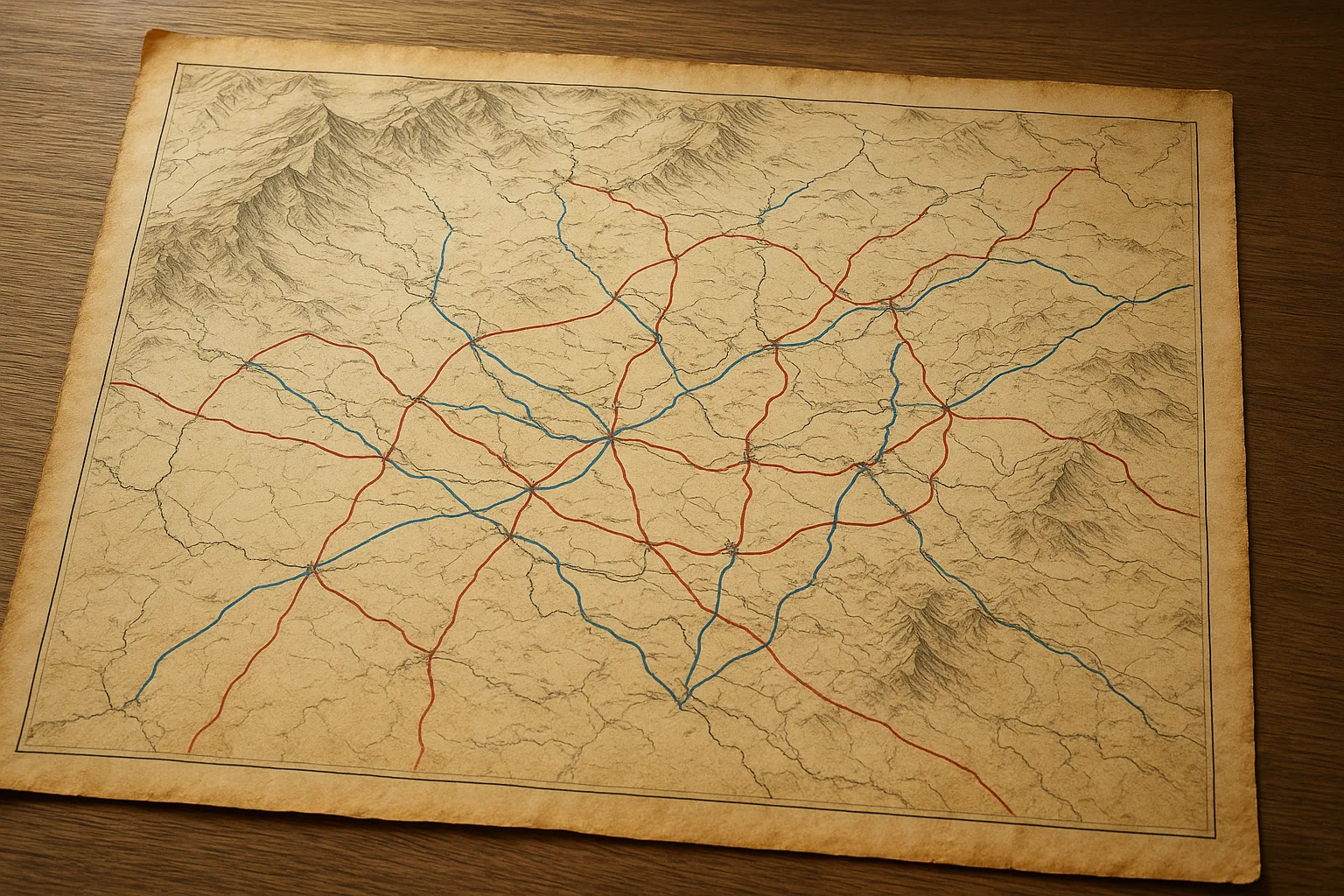
Long before the advent of any written Shimla, these hills were not isolated peripheries but active corridors in the broader Himalayan trade network. Early chronicles from nearby regions, such as the accounts of the Gupta and later Rajput polities, mention trade in salt, wool, and medicinal herbs moving through the lower Himalayas. Shimla’s ridges offered relatively safe passage compared to the unpredictable floods of the plains or the snow-blocked passes higher up.
Historical inference points to two principal axes of movement. The first linked the Sutlej valley westward toward Chamba and Kangra, and eastward along the ancient Hindustan-Tibet route toward Kinnaur and beyond. The second axis threaded south from these hills toward the Punjab plains, allowing traders, pilgrims, and migrants to move seasonally between different ecological zones. Over time, small market towns—such as those at present-day Mashobra or Theog—emerged at crucial crossroads, serving as points for exchange of goods and stories alike.
Emergence of Hill Polities and Early States
By the early medieval period (c. 7th–10th centuries CE), the increasing complexity of trade and social organization in these hills saw the gradual emergence of localized polities. Chronicles of the Hill States, compiled by later Rajput and Mughal administrators, attest to the presence of petty rajas and thakurs—local rulers who claimed descent from warrior lineages or semi-mythical ancestors. The fragmentary nature of these records reflects the shifting boundaries and alliances typical of the region.
Among the earliest of these was the Bushahr state, whose influence extended up the Sutlej and, at times, touched the southern slopes near present-day Shimla. Other principalities, such as Keonthal, Kumharsain, and Dhami, gradually asserted authority over specific valleys and ridges. Their power rested less on standing armies than on control of key routes, collection of tolls, and the stewardship of sacred sites that anchored community identity.
These early states, while small in size, played a decisive role in regulating movement, facilitating trade, and providing a measure of stability in otherwise rugged terrain. Their legacy would endow Shimla’s hills with a distinctive pattern of localized governance, later shaping the dynamics of colonial and post-colonial administration.
Belief Systems and Cultural Exchange
The convergence of trade routes through the region carried not only goods but also new ideas, rituals, and artistic traditions. Over centuries, the worship of indigenous deities coexisted and mingled with influences from Buddhist, Shaivite, and Vaishnavite traditions, particularly as itinerant monks and traders moved between the plains and the Trans-Himalayan valleys.
Regional chronicles and temple records from neighboring states occasionally reference the arrival of wandering ascetics, traveling bards, and skilled artisans. Their presence contributed to the region’s evolving religious landscape, with certain shrines—such as those at Tara Devi and Jakhu—emerging as important centers of pilgrimage and festivity. The resulting cultural mosaic, marked by enduring local customs and periodic waves of outside influence, remains a defining feature of Shimla’s identity.
Continuity and Change: Shimla’s Ancient Pathways Today
In the present, the winding roads and bustling bazaars of Shimla echo the ancient patterns of movement that once defined these hills. The footpaths trodden by traders and herders survive as back lanes and forest trails, while old market sites retain their role as gathering places for commerce and celebration. The region’s enduring attachment to local deities, clan traditions, and seasonal festivals testifies to the strength of communal memory.
Yet, Shimla’s story is one of adaptation as much as tradition. The political boundaries, economic networks, and cultural exchanges shaped in these early centuries laid the foundation for the transformations of the colonial era—a period that will be explored in the next part of this series. As we move forward, the persistence of ancient routes and the resilience of hill communities remain essential threads in the tapestry of Shimla’s history.
Previous: Religious Beliefs and Sacred Sites Before Colonial Shimla
Next: Hill Chiefs and Local Governance in Medieval Shimla