
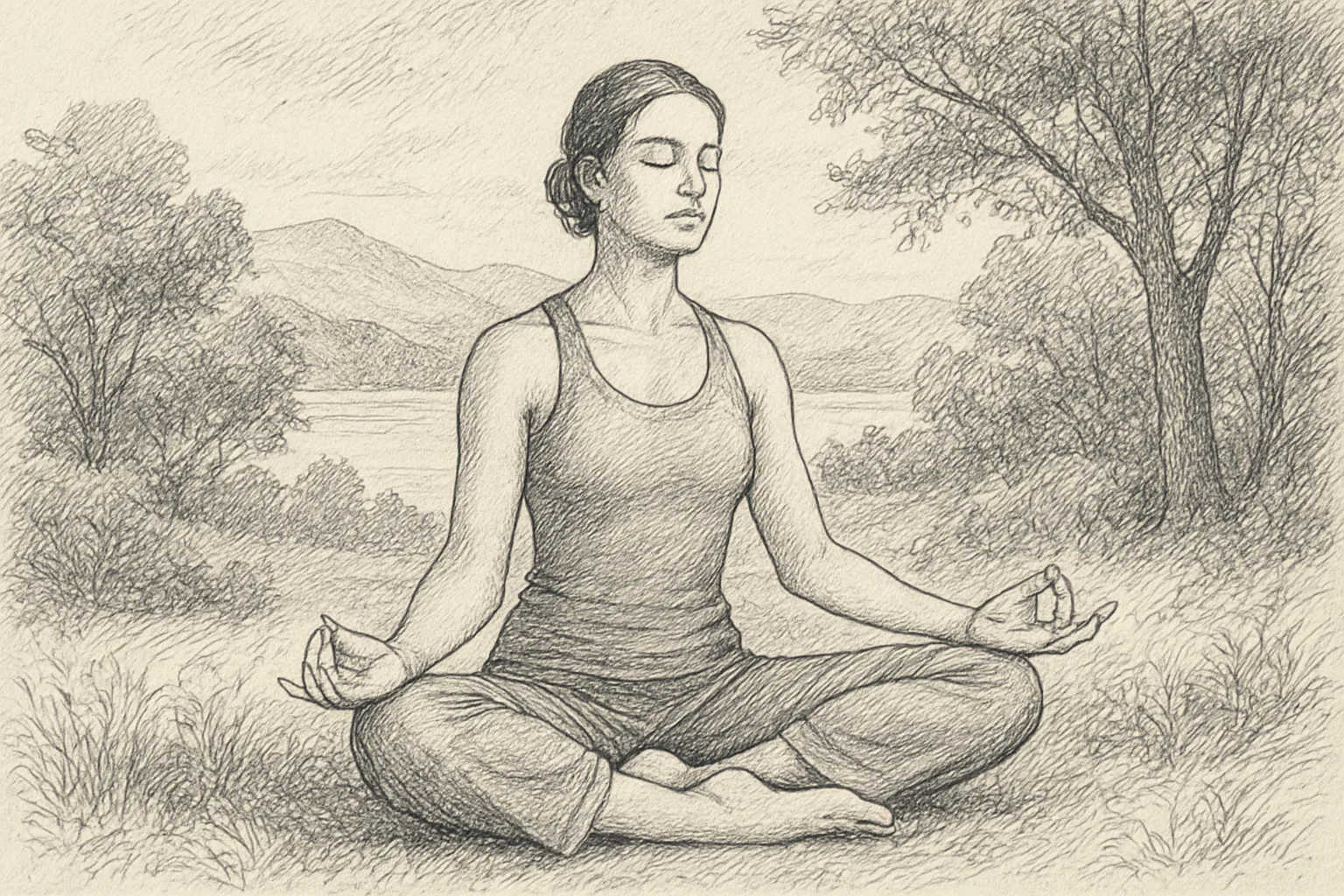
How to Stay Active While Prioritising Wellbeing
Staying active is essential for both physical health and overall wellbeing, but it’s important to find ways that feel sustainable and supportive rather than stressful or overwhelming. Many people believe that being active means pushing yourself to the limit every day, but the truth is that prioritising your wellbeing means balancing movement with rest and listening to your body. Let’s explore practical, evidence-based ways to stay active while keeping your wellbeing front and centre.
Step 1: Set Realistic and Enjoyable Goals
Not everyone enjoys the same types or amounts of activity, and that’s perfectly fine. The key is to find activities you enjoy and set achievable goals that fit your lifestyle.
- Start small: Aim for short bursts of movement, such as 10-15 minutes of walking or gentle stretching, especially if you’re new to regular activity.
- Choose activities you like: Dancing, gardening, cycling, or even household chores count towards staying active.
- Be flexible: Some days you might do a brisk walk; others, a calm yoga session. Mix it up to keep things interesting.
Step 2: Incorporate Movement into Your Daily Routine
The good news is you don’t need to set aside hours to stay active. Small changes can make a big difference over time.
- Walk or cycle for short trips: Instead of driving, try walking or cycling to the shops or local errands.
- Use the stairs: Swap lifts for stairs when you can.
- Break up sitting time: Stand up and stretch or walk around for a few minutes every hour, especially if you work at a desk.
- Active socialising: Meet friends for a walk or a gentle group class rather than sitting in cafes.
Step 3: Listen to Your Body and Prioritise Rest
Wellbeing means recognising when your body needs recovery. Overdoing it can lead to burnout, injury, or stress, which defeats the purpose of staying active.
- Notice how you feel: If you’re tired, sore, or mentally drained, it’s okay to rest or choose gentler activities.
- Include rest days: Aim for 1-2 rest or light activity days each week to allow your body to recover.
- Practice mindfulness: Pay attention to your breathing and muscle tension during activities to stay in tune with your body’s signals.
Step 4: Build Supportive Habits Over Time
Consistency is more important than intensity when it comes to long-term wellbeing. Building habits slowly can help you maintain an active lifestyle without feeling pressured.
- Schedule activity: Put your chosen activities in your calendar like appointments to make them a priority.
- Track progress: Use a journal or app to note your activity, mood, and energy levels to see what works best.
- Reward yourself: Celebrate milestones with non-food rewards like a new playlist or a relaxing bath.
- Stay adaptable: Life changes, and so can your activity plan. Adjust goals and activities as needed.
Common Myths about Staying Active and Wellbeing
Misconceptions can sometimes make staying active feel daunting. Here are some common myths debunked:
- Myth 1: You need to exercise intensely every day to benefit. Moderate activity several times a week is enough to support wellbeing and health.
- Myth 2: If you don’t enjoy exercise, you won’t stick with it. Enjoyment can grow over time, especially if you try different activities and focus on how they make you feel.
- Myth 3: Rest days mean you’re being lazy. Rest is an essential part of wellbeing, allowing your body and mind to recharge.
- Myth 4: Only gym workouts count as staying active. Everyday movements and activities like walking, gardening, or dancing are valuable too.
Tips for Staying Motivated Without Pressure
- Find a buddy: Exercising with a friend can boost motivation and make activities more fun.
- Set non-performance goals: Focus on how activity makes you feel rather than just calories burned or distance covered.
- Mix movement with relaxation: Combine gentle yoga or stretching with more active days to support both body and mind.
- Be kind to yourself: It’s normal to have ups and downs. Celebrate your efforts rather than focusing on perfection.
Conclusion
Staying active while prioritising your wellbeing is all about balance, enjoyment, and listening to your body. By setting realistic goals, incorporating movement into daily life, and allowing for rest, you can create a sustainable and rewarding routine. Remember, it’s not about pushing yourself to extremes but finding what feels good and works for you. Small, consistent steps add up to meaningful improvements in your health and happiness over time.
This article provides general educational information only and is not a substitute for professional medical advice. Always consult a qualified healthcare professional for personal guidance.