
Series: History of Solan, Himachal Pradesh, India
Phase 1: Ancient & Early Roots — Part 2 of 30
This article is part of a broader historical series exploring the earliest layers of human presence in the western Himalayas. Beginning with landscape, belief, and early patterns of movement and settlement, the series traces how communities adapted to mountainous environments long before formal states or written records emerged. These foundational centuries shaped cultural memory, local traditions, and relationships with the land that would endure through later periods of change.
At Dawn in the Hills: Solan’s Earliest Inhabitants
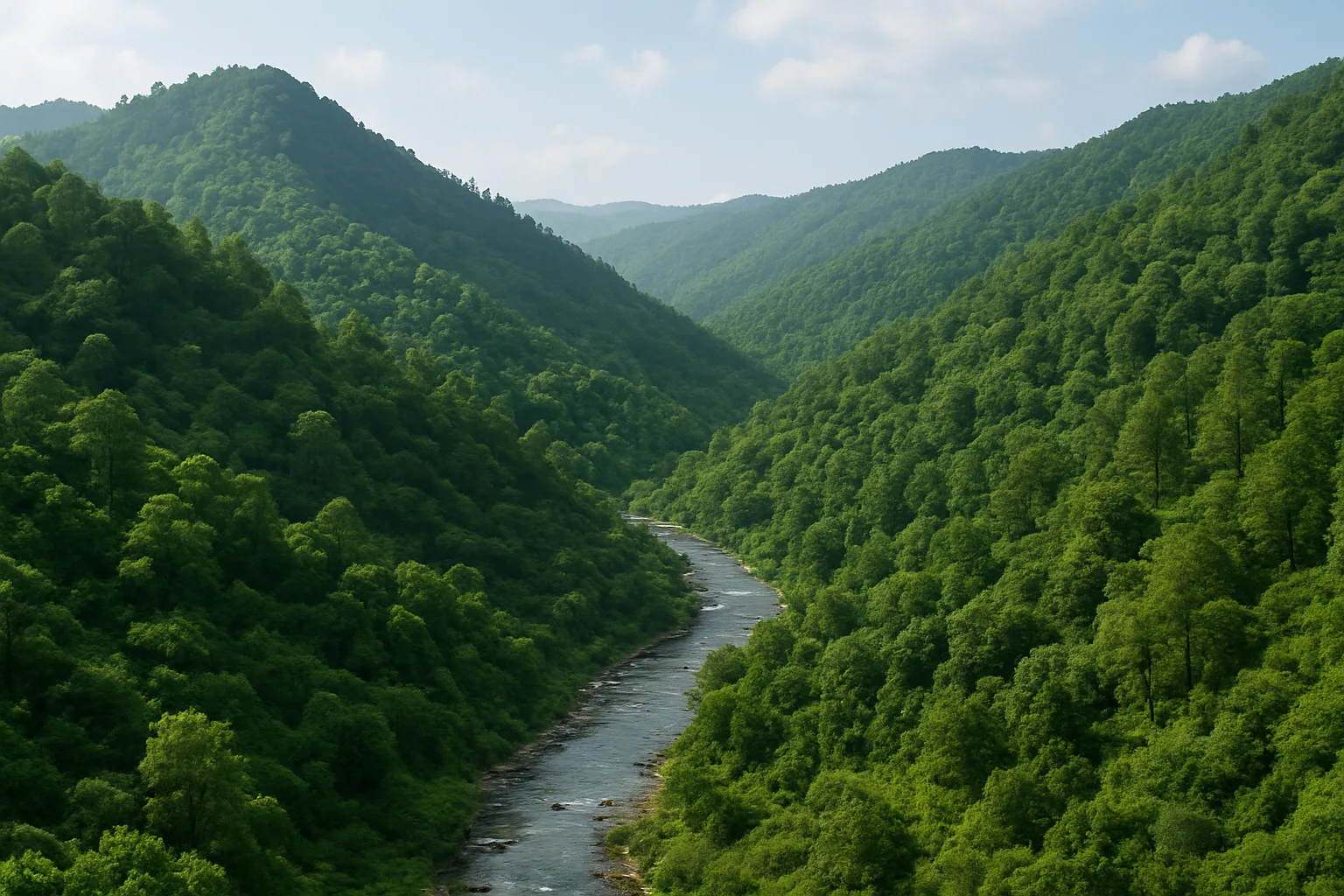
The sun rises slowly over the dense forests and serrated ridges of Solan, casting golden light on terraced fields and winding streams. Long before the familiar town markets and hill stations, this landscape teemed with the quiet industry of early tribes. Imagine the first settlers: a family huddled near a fire, smoke curling into the crystal air, their lives dictated by the rhythms of a wild geography—one with the power to nurture and to isolate.
The Great Himalayan Divide: Solan’s Ancient Setting
Solan occupies a unique position in Himachal Pradesh, perched between the formidable Shivalik and lesser Himalaya ranges. This district forms a natural corridor, connecting the Punjab plains to the high mountain valleys. Thousands of years ago, these hills were not mere backdrops—they were living boundaries. The dense forests and steep escarpments offered protection from invaders, but also presented daunting challenges to migration and settlement. Rivers like the Giri and Ashwini carved their way through the hills, providing water, food, and natural highways for early peoples.
Early Migrations: Following the Waterways
Archaeological findings and the oral traditions of Himachal’s indigenous communities suggest that Solan’s first inhabitants arrived following game trails and watercourses. The river valleys provided fertile soil and a reliable food source. The Giri, with its perennial flow, became a lifeline for small hunter-gatherer bands who gradually learned to cultivate millet and barley on the gentle slopes. Over time, these groups established seasonal camps, later transforming them into more permanent settlements as they learned to harness the land’s bounty.
Trade and the Birth of Routes: Solan as a Crossroads
As populations grew, Solan’s geography made it a natural intersection for ancient trade. The passes north of Kasauli and the valleys around Nalagarh became arteries for the movement of salt, wool, and grain. The ancient Hindur kingdom, which once controlled the lower hills, established rudimentary roads—little more than widened footpaths—through these difficult terrains. Merchants, monks, and travelers wound their way from the Indo-Gangetic plains to the higher valleys, resting at natural clearings that would one day become bustling villages.
The Influence of Terrain on Kingdoms
Geography played a decisive role in the rise of regional powers. The steep, densely forested hills offered a defensive advantage. Early Rajput clans, including the rulers of Baghat and Kunihar, built their forts atop cliffs and ridges, using the terrain as both shield and lookout. The legendary Raja Ajai Dev of Baghal, who ruled from Arki in the 17th century, chose his capital for its commanding view over the trade routes and valleys below—demonstrating a keen understanding of how geography could be leveraged for security and influence.
Sacred Groves and Ancient Worship
For early Solan societies, the land itself was sacred. Dense oak and deodar forests became sites of worship—groves where spirits were believed to dwell. Springs and hilltops were marked with small stone altars, some still visible today. The powerful goddess Shoolini, now the namesake of the town, was likely venerated in such forest shrines centuries before the formal temple was built. Geography dictated not only daily survival but also spiritual life and ritual, binding people to place in ways both practical and profound.
Weather and the Rhythms of Life
The region’s climate, shaped by altitude and monsoon, influenced every aspect of existence. Fierce summer storms could isolate hamlets for days. Winters brought biting winds and forced communities to rely on stored grains and firewood. The success of crops depended on the subtle patterns of rainfall and sun, which in turn dictated festivals, marriages, and migrations. The earliest records from neighboring Kangra and Sirmur attest to the careful environmental knowledge developed by Solan’s hillfolk—an expertise honed over generations to suit the capricious moods of their land.
Isolation and Exchange: The Double-Edged Sword
Solan’s geography was both barrier and bridge. The rugged hills shielded its people from the sweeping invasions that periodically ravaged the plains below. Yet, the same features that protected also isolated, fostering a fiercely self-reliant culture. This isolation preserved unique dialects, craft traditions, and religious practices, many of which persist in the region’s villages today. But Solan was never entirely cut off. Seasonal fairs—like those still celebrated at Jawalaji and Solan’s own Shoolini Mela—brought together traders, pilgrims, and storytellers, weaving the hills into the larger tapestry of north Indian life.
Notable Figures and Early Records
While much of Solan’s ancient history remains shrouded in legend, certain names and places echo through the sources. The chronicles of Raja Kehri Singh of Baghal, written in the late 17th century, reference still older traditions of hill governance and land use. Local lore speaks of wise women and shamans who interpreted the landscape’s moods, reading omens in the flight of birds or the flow of rivers. The oral genealogies of families in Kandaghat and Arki hint at migrations from distant valleys, always tracing their journeys along the ridges and streams that defined their world.
From Ancient Hills to Modern Rhythms
The land that once dictated every step of early life in Solan continues to shape its destiny. Terraced fields still cling to the hillsides, and old trade paths are now hiking trails. The towns and villages—Solan, Kandaghat, Nalagarh, Arki—carry the imprint of their geography in their layout, their festivals, and their sense of community. Even as new highways and railways slice through the mountains, the rhythms set by ancient terrain endure in the region’s pulse.
In the next part of our series, we’ll follow these early settlements as they evolve into organized principalities, watching how geography continued to guide the fortunes of Solan’s people. The hills remain more than a backdrop—they are the silent architects of Solan’s story, shaping the lives and legacies that echo into the present day.
Previous: Ancient Settlements in the Solan Region
Next: Tribal and Agrarian Communities of Ancient Solan