
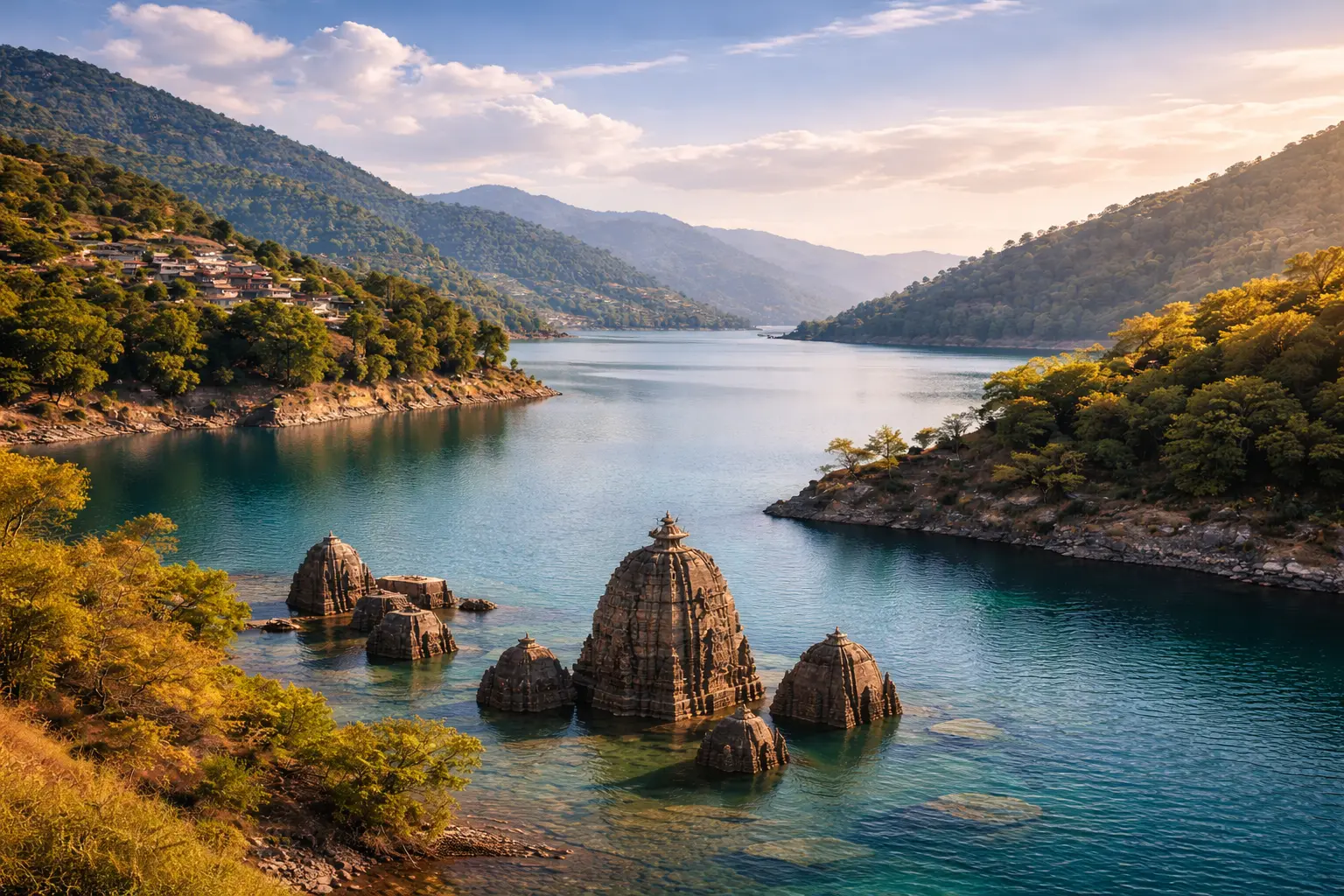
Discovering the Submerged Temples of Bilaspur, Himachal Pradesh
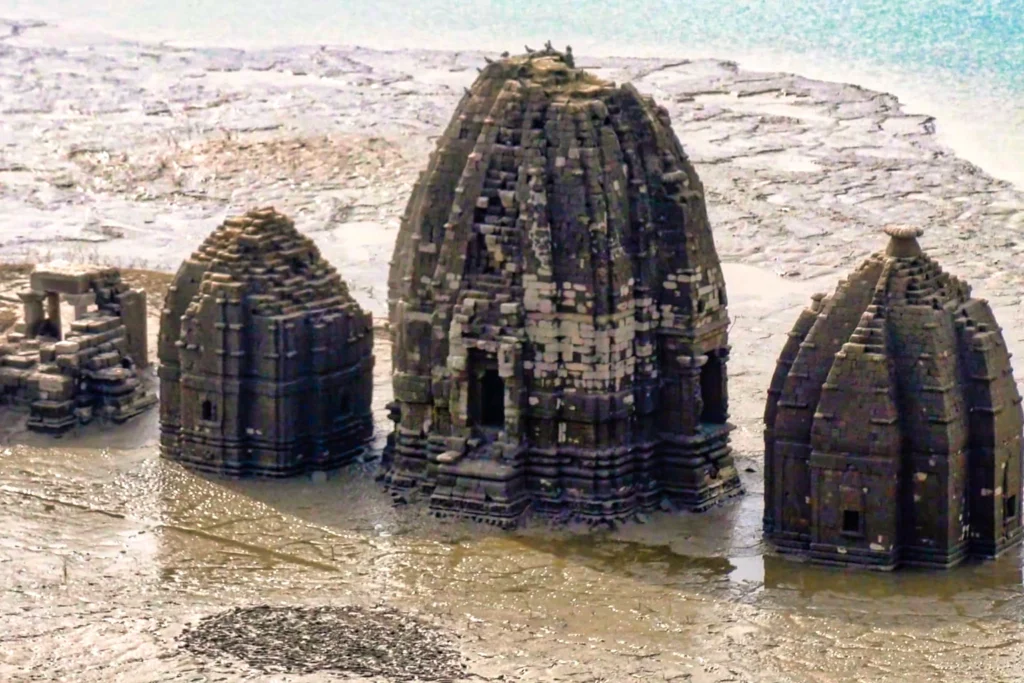
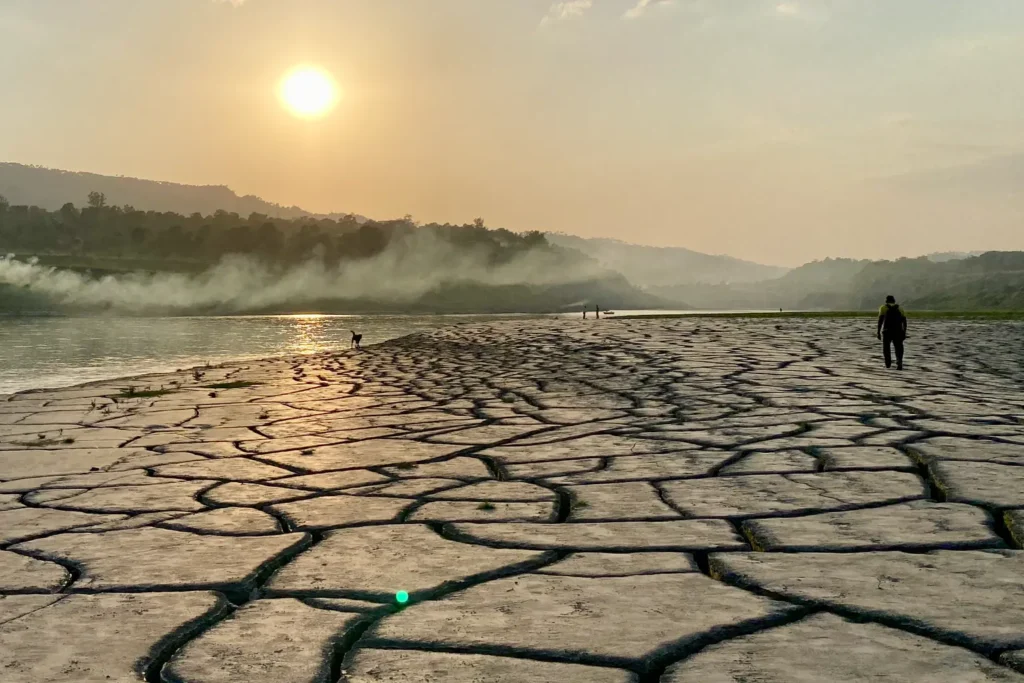
Nestled in the serene landscapes of Himachal Pradesh, the district of Bilaspur hides one of the most intriguing historical treasures of North India — its submerged temples. These ancient structures emerge from the waters of the Gobind Sagar Lake, especially during summer months when the reservoir levels drop, revealing a surreal sight that blends nature, history, and spirituality.
Explore the lesser-known history of Bilaspur, Himachal Pradesh, through our ongoing blog series:
🏞 A Jewel Beneath the Waters
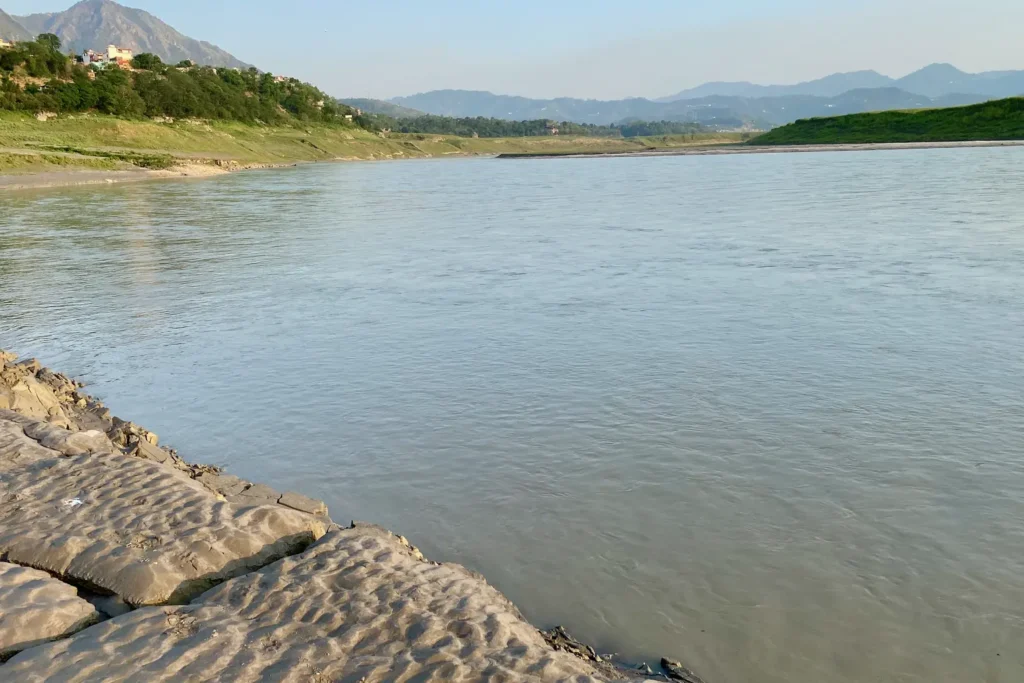
The story of the submerged temples of Bilaspur is tied to the creation of the Bhakra Dam project in the 1950s. Gobind Sagar Lake — formed by the damming of the Sutlej River — flooded several villages, along with temples that had stood for centuries. While many are lost beneath the waves, a few temples reappear during periods of low water, offering a rare glimpse into the region’s past.
🛕 Temples That Rise From the Deep
As water levels of Gobind Sagar recede, the tops of temple spires, sculpted stonework, and ancient shrines slowly emerge, creating a striking contrast against the clear blue waters. The most notable of these structures are:
- Old Shiva Temple – Famous for its delicate stone carvings and traditional Himachali architecture.
- Bhima Kali Temple – Dedicated to the fierce goddess Bhima Kali, this temple draws pilgrims and photographers alike.
- Local Shrines – Scattered ruins and smaller sanctuaries that once served nearby settlements.
📸 A Photographer’s Paradise
For photographers, travellers, and history enthusiasts, the sight of sculptures and temple roofs peeking through shimmering waters is nothing short of magical. Sunrise and sunset cast golden hues over the lake, creating reflections that make the temples appear as if floating between earth and sky.
📍 Best Time to Visit
The submerged temples are most visible between late winter and early summer, typically from February to May, depending on rainfall and reservoir levels. During these months, tourists often take long boat rides on Gobind Sagar to view the temples up close.
🧭 How to Reach
- By Air: The nearest major airport is in Chandigarh (approx. 120 km).
- By Train: Train link is still in construction.
- By Road: Regular buses and taxis run from Shimla, Chandigarh, and other Himachali towns.
🌿 Why You Should Go
The submerged temples are not just structures of stone — they are silent storytellers of a bygone era. Visiting them is a chance to:
- Reconnect with history.
- Experience the spiritual calm of temples that defy time.
- Discover lesser-known gems of Himachal Pradesh.
Whether you’re planning a road trip through the Himalayas or looking for unique cultural destinations in India, the submerged temples of Bilaspur are a must-see — a mystical blend of history, devotion, and natural beauty.
📸 Have you visited these temples? Share your photos and stories in the comments below!
Leave a Reply