
Why Small Workouts Still Count: Building Fitness One Step at a Time
Many people believe that to get fit or stay healthy, they need to spend hours at the gym or commit to long, intense workouts. However, this isn’t the only way to improve your health. In fact, small workouts—those brief bursts of activity you can fit into your day—can make a real difference. Whether it’s a 5-minute stretch, a quick walk, or a few bodyweight exercises, every little bit counts towards better fitness and wellbeing.
The Power of Small Workouts
Research shows that accumulating short bouts of exercise throughout the day can be just as beneficial as longer sessions. The key is consistency and making physical activity a regular habit. Small workouts can help improve cardiovascular health, boost mood, increase energy, and support weight management.
For people who feel overwhelmed by the idea of exercising, starting with small, manageable sessions can be less intimidating and easier to stick with. It also helps to break up long periods of sitting, which is particularly important if you have a desk job.
Step-by-Step Tips to Make Small Workouts Work for You
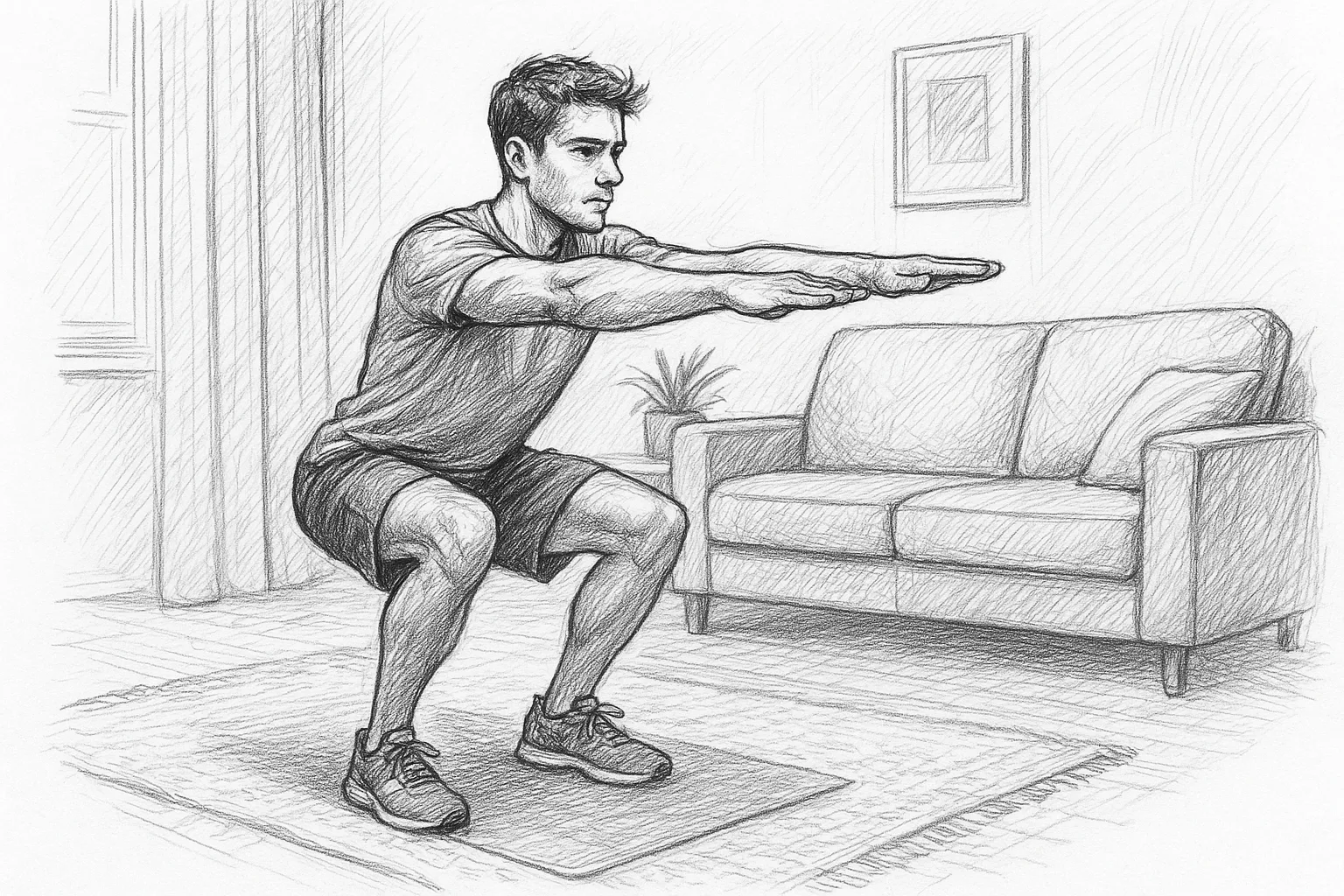
- Set realistic goals: Instead of aiming for an hour-long gym session, start with 5 to 10 minutes of activity. This might be walking around your home, doing some stretches, or a few squats.
- Schedule it in: Treat your small workout like an appointment. Set reminders on your phone or calendar to help build a routine.
- Choose activities you enjoy: Whether it’s dancing, gardening, or climbing stairs, doing something you like increases the chance you’ll keep going.
- Use everyday moments: Take the stairs instead of the lift, walk during phone calls, or do calf raises while waiting for the kettle to boil.
- Increase intensity gradually: Once you’re comfortable with short sessions, gently increase the intensity or duration. For example, add a few more minutes or include some light weights or resistance bands.
- Mix it up: Variety keeps things interesting. Combine cardio, strength, and flexibility exercises over the week.
- Track your progress: Keep a simple log or use a fitness app to note your activity. Seeing progress, no matter how small, can boost motivation.
Common Myths About Small Workouts
- Myth: Small workouts don’t burn enough calories to matter. Even brief activity raises your heart rate and burns calories. Over time, these add up and contribute to overall health.
- Myth: Exercise must be intense to be effective. While intensity has benefits, moderate and light activities still improve circulation, mood, and muscle tone.
- Myth: If you can’t do a full workout, it’s not worth trying. Any movement is better than none. Short sessions help build habits and confidence.
- Myth: You need special equipment or gym access. Many effective exercises require no equipment and can be done at home or outdoors.
Examples of Small Workouts You Can Try Today
- Morning stretch routine: Spend 5 minutes gently stretching your major muscle groups to wake up your body.
- Walking breaks: Take a 10-minute walk around the block during lunch or in the evening.
- Bodyweight exercises: Do 2 sets of 10 squats, wall push-ups, or lunges during TV commercial breaks.
- Desk exercises: Perform seated leg lifts, shoulder shrugs, or neck rolls to reduce stiffness.
- Stair climbing: Use stairs instead of lifts for a few minutes several times a day.
How Small Workouts Support Long-Term Wellbeing
Incorporating small workouts into your daily life helps build a foundation for sustainable fitness habits. Regular movement improves sleep quality, reduces stress, and enhances overall mood. It also encourages a more active lifestyle, which can decrease the risk of chronic illnesses related to inactivity.
By focusing on achievable goals and celebrating small wins, you’re more likely to maintain your exercise routine over time. Remember, fitness is a journey, not a race. Every step, however small, leads to progress.
Conclusion
Small workouts truly do count when it comes to your health and wellbeing. They offer a realistic and sustainable way to increase activity, especially when time or motivation feels limited. By setting achievable goals, mixing up your exercises, and making movement a part of your daily routine, you can enjoy the benefits of regular physical activity without feeling overwhelmed. Remember, consistency is more important than duration or intensity, and every little effort adds up.
This article provides general educational information only and is not a substitute for professional medical advice. Always consult a qualified healthcare professional for personal guidance.