
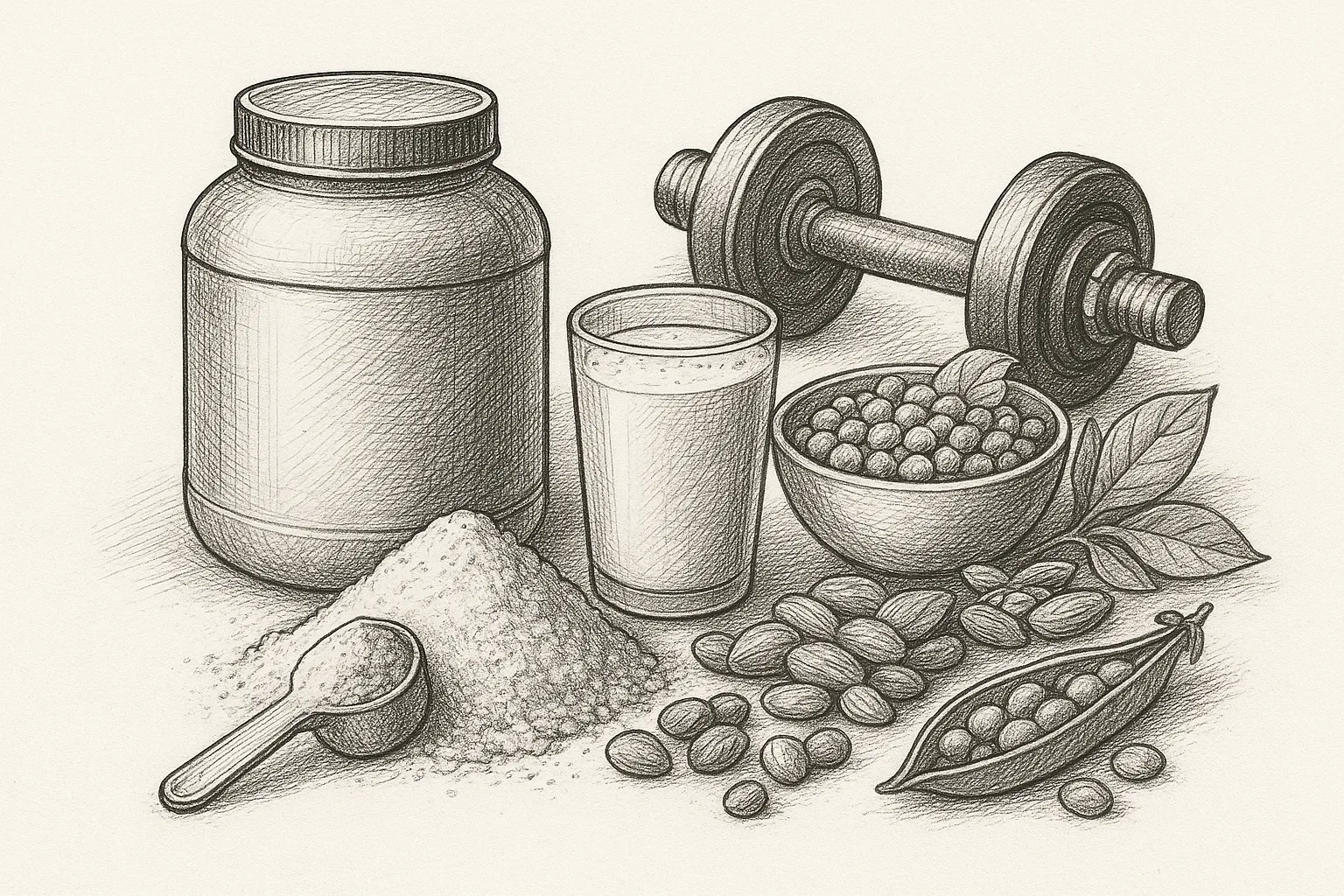
Whey vs Plant Protein: Which Is Better for Your Goals?
Protein plays a vital role in supporting muscle growth, recovery, and overall health. Choosing the right protein source can help you reach your fitness goals more effectively. Two popular options are whey protein and plant protein. But which one is better for you? This article explores the differences, benefits, and practical tips for incorporating whey and plant proteins into your routine, helping you make a sustainable and informed choice.
Understanding Whey Protein
Whey protein is a complete protein derived from milk during the cheese-making process. It contains all nine essential amino acids your body needs but cannot produce on its own. Whey is especially rich in branched-chain amino acids (BCAAs), which are important for muscle repair and growth.
- Quick absorption: Whey protein is rapidly digested and absorbed, making it a popular choice post-workout.
- High biological value: This means your body can efficiently use the protein to build and repair tissues.
- Variety: It comes in different forms such as concentrate, isolate, and hydrolysate, varying in protein content and processing.
Exploring Plant Protein Options
Plant proteins come from various sources including soy, pea, rice, hemp, and mixed blends. Many plant proteins are not complete proteins individually, but when combined, they can provide all essential amino acids. For example, pea and rice protein together create a complete amino acid profile.
- Digestibility: Plant proteins may digest more slowly than whey but often contain fibre and other nutrients beneficial for digestion.
- Allergy-friendly: Ideal for those with lactose intolerance or dairy allergies.
- Environmental impact: Plant proteins generally have a lower carbon footprint and require fewer resources to produce.
Comparing Whey and Plant Protein for Your Goals
Muscle Growth and Recovery
Whey protein’s high concentration of BCAAs, especially leucine, makes it very effective for stimulating muscle protein synthesis. This makes it a favourite among athletes and those focusing on muscle building. However, recent studies have shown that high-quality plant protein blends can also support muscle growth effectively when consumed in adequate amounts.
Tip: To maximise muscle growth with plant protein, consider consuming a blend like pea and rice protein together to ensure all essential amino acids are present.
Weight Management
Protein helps with satiety and maintaining lean muscle mass during weight loss. Both whey and plant proteins are effective in this regard. Plant proteins often come with the added benefit of fibre, which can enhance feelings of fullness and support digestive health.
Tip: Choose plant protein powders with added fibre or combine them with high-fibre foods like oats or fruits for a more satisfying snack or meal.
Digestive Comfort
Some people experience bloating or digestive discomfort with whey protein, especially if they are lactose intolerant. Plant proteins are often easier to digest for these individuals, though some may find certain plant proteins, like soy, cause mild sensitivity.
Tip: If you struggle with digestion, try a small amount of different plant proteins to find one that suits you best.
Ethical and Environmental Considerations
Choosing plant protein aligns with a plant-forward lifestyle and often has lower environmental impact. Whey protein, being a dairy product, involves greater water use and greenhouse gas emissions. This may influence your choice if sustainability is important to you.
Practical Tips for Incorporating Protein into Your Routine
- Assess your dietary preferences and restrictions: Choose whey if you tolerate dairy well and want quick absorption. Opt for plant protein if you prefer vegan options or have dairy sensitivities.
- Combine protein sources: If you choose plant protein, consider mixes like pea and rice to get a complete amino acid profile.
- Timing: Use whey protein post-workout for quick muscle recovery. Plant protein can be used any time of day as part of balanced meals or snacks.
- Watch added ingredients: Check labels for unnecessary sugars or additives in protein powders.
- Start small: Introduce protein powders gradually to monitor how your body responds.
Common Myths About Whey and Plant Protein
- Myth 1: Plant protein is always inferior to whey. While whey is rich in certain amino acids, high-quality plant protein blends can be just as effective for muscle support when consumed properly.
- Myth 2: Whey protein causes weight gain. Protein supports lean muscle; weight gain only occurs if you consume more calories than you burn.
- Myth 3: Plant protein tastes bad. Modern plant protein powders have improved flavour and texture, especially in blends.
- Myth 4: You need protein supplements to get enough protein. Many people can meet protein needs through whole foods alone, but supplements can be convenient if your diet lacks variety or if you have higher protein needs.
Conclusion
Choosing between whey and plant protein depends largely on your personal goals, dietary preferences, and lifestyle. Whey protein offers quick absorption and a complete amino acid profile, which is great for muscle recovery and growth. Plant proteins provide a sustainable, allergy-friendly option with added dietary fibre and lower environmental impact. Combining different plant proteins can also meet your nutritional needs effectively.
The best approach is to focus on consistent, balanced protein intake from varied sources, listening to your body, and choosing options that you enjoy and can maintain in the long term. Sustainable habits and realistic choices will always support your health and fitness journey best.
This article provides general educational information only and is not a substitute for professional medical advice. Always consult a qualified healthcare professional for personal guidance.