
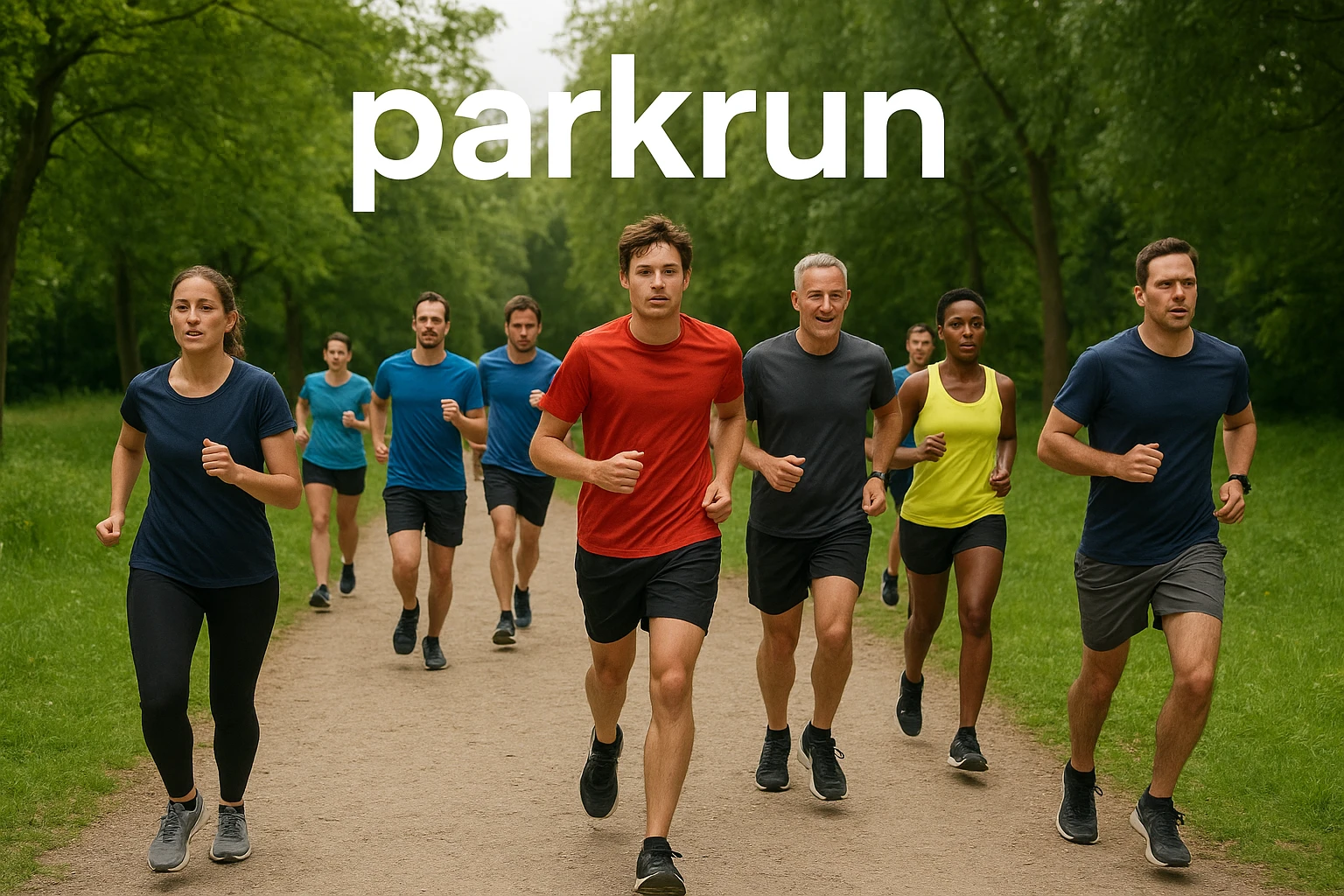
The 5k Saturday Movement Changing Fitness Forever
parkrun is a worldwide community‑run initiative offering free, weekly 5 kilometre (5 km) events — typically held on Saturday mornings at 9:00am — where people can run, jog, walk or volunteer. It’s not a race in the traditional sense: there are no entry fees, no elite‑only restrictions, and finishing times don’t matter. Instead, parkrun emphasises inclusivity — welcoming everyone from casual walkers and families with prams, to seasoned runners, and even wheelchair users.
Origins: From humble beginnings to global movement
The first parkrun was held on 2 October 2004 in Bushy Park in Teddington, London (then called the “Bushy Park Time Trial”). The founder, Paul Sinton‑Hewitt, organised the event after an injury stopped him from running, but he still wanted to stay connected with running friends. That first Saturday saw just 13 runners and five volunteers – and results were recorded using a simple stopwatch, paper and washers from a hardware store as finishing tokens.
Over the next few years, the idea caught on. By 2007 the concept had expanded beyond Bushy Park to other UK locations, and in 2008 the name “parkrun” was adopted. From there, the movement spread internationally — the first parkrun outside the UK launched in 2008 in Zimbabwe, with more countries following soon after.
How big is parkrun now (2025)?
- parkrun takes place at over 2,200 event locations worldwide, across more than 20 countries.
- On a typical Saturday, there are between 360,000 and 390,000 finishers globally.
- The community is supported by tens of thousands of volunteers — from marshals to barcode scanners — who make each event possible.
- Events are open to absolutely everyone: walkers, runners, older adults, families with children, people pushing prams, wheelchair users, even dog‑owners (where allowed).
Why people do parkrun — benefits and community spirit
The appeal of parkrun isn’t just about fitness: it’s community, accessibility, and flexibility. Because it’s free and volunteer‑run, there are virtually no barriers to joining.
Many participants aren’t “runners” in the traditional sense — they might be walking, jogging, or jogging with children in a pram. Others volunteer instead of running, helping organise, time or marshal the event. The social aspect is often highlighted: it’s a chance to meet people, get outside, and take part in something communal.
Also, parkrun has proven beneficial for public health: by lowering barriers to exercise and encouraging regular activity, it reaches people who might not otherwise take part in organised sport.
What to expect if you want to join
- You don’t need to sign up each week — you register once, get a personal barcode, then just turn up.
- Events are timed and results are recorded: once you finish, you scan your barcode and receive your time and position later via email.
- You can treat it as a run, a jog, a walk — it’s totally up to you. Many people go for fitness; others use it as social time or family activity.
- It’s all volunteer‑run — from course setup to timekeeping — so the community aspect is very real. Without volunteers, parkrun couldn’t happen.
Why parkrun matters — more than just 5 km
What started as a simple idea — a small group of friends meeting up for a 5 km time trial — has grown into a global movement bringing together hundreds of thousands of people weekly. parkrun shows that serious benefits don’t require expensive gym memberships or elite training — just consistency, community and accessibility.
Whether you’re a seasoned runner, a parent with a pram, someone wanting light exercise, or just curious — parkrun offers a gentle, friendly, and welcoming way to start your Saturday. And if you’re in or near Colchester (or anywhere in the UK), chances are there’s a parkrun not too far away.
Conclusion
parkrun isn’t about being fast. It isn’t about competition or membership fees. For many people, it’s about community, movement, and simply showing up — week after week, at 9 am on a Saturday. And in those simple acts, it has changed lives all around the world.