
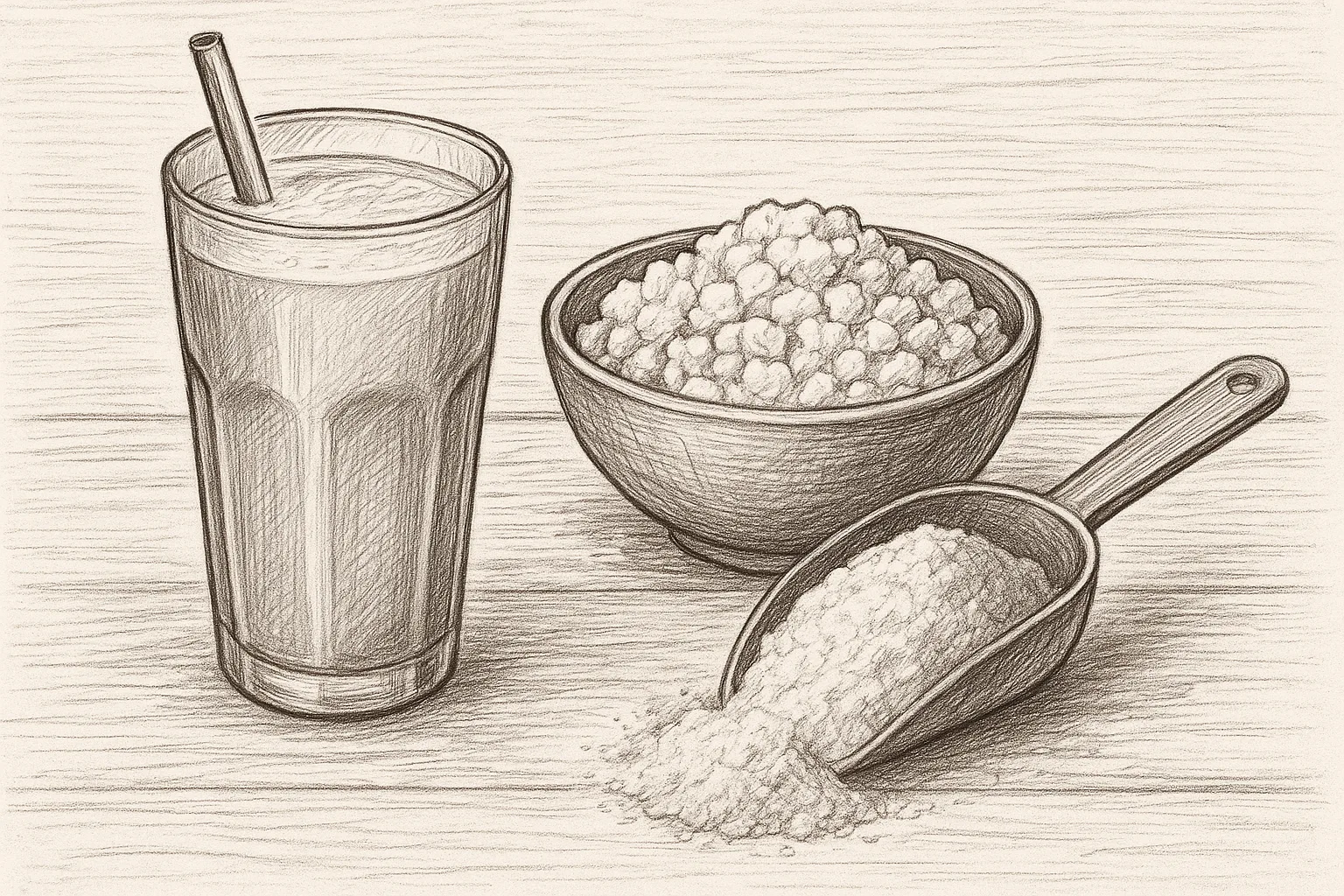
Understanding Protein Absorption: Fast vs Slow Proteins
Protein plays a vital role in our health, from building and repairing tissues to supporting immune function and energy levels. But did you know that not all proteins are absorbed by your body at the same rate? Understanding the difference between fast and slow proteins can help you make better choices about when and how to consume them for optimal wellbeing.
What Are Fast and Slow Proteins?
Proteins are made up of amino acids, which your body uses for various functions. When you eat protein, your digestive system breaks it down into these amino acids, which then enter your bloodstream to be used or stored.
- Fast proteins are absorbed quickly, leading to a rapid increase in amino acid levels in the blood. This makes them excellent for times when your body needs a quick supply, such as after exercise.
- Slow proteins digest more gradually, providing a steady release of amino acids over several hours. This can help maintain muscle repair and reduce hunger between meals.
Common Fast vs Slow Proteins
Let’s look at some popular protein sources and how they fit into these categories:
- Whey Protein: A fast protein derived from milk, whey is quickly digested and absorbed. It’s commonly used in protein shakes and favoured for post-workout nutrition.
- Casein Protein: Also from milk, casein digests slowly, releasing amino acids over many hours. It’s often taken before bedtime to support overnight muscle recovery.
- Soy Protein: Plant-based and digested at a moderate pace, soy offers a balance between fast and slow absorption. It’s a good option for those avoiding dairy.
- Pea Protein: Another plant-based protein, pea protein is absorbed relatively slowly compared to whey but faster than casein. It’s rich in essential amino acids and easily digestible for many people.
Why Does Protein Absorption Rate Matter?
The speed at which your body absorbs protein can influence muscle repair, satiety (feeling full), and even how you manage your energy throughout the day. Here are some practical situations where knowing the difference helps:
- After Exercise: Your muscles need amino acids quickly to repair and grow. Fast proteins like whey are ideal here.
- Before Bed: Since you won’t be eating for several hours, slow proteins like casein can provide a steady supply of amino acids to support overnight recovery.
- Between Meals: Slow or moderate proteins can help keep you feeling fuller for longer, reducing unnecessary snacking.
Practical Tips for Including Fast and Slow Proteins in Your Diet
Here are some easy, sustainable ways to balance protein absorption throughout your day:
- Identify Your Needs: Consider your daily routine. Are you active and exercising regularly? Do you have long gaps between meals? This helps determine when to focus on fast or slow proteins.
- Use Variety: Include a mix of protein sources like dairy, legumes, nuts, and seeds. For example, a breakfast with soy tofu scramble, a post-workout whey shake, and a dinner with pea protein-rich lentils offers diverse absorption rates.
- Post-Workout Nutrition: Aim to consume fast protein within 30 to 60 minutes after exercising. A whey protein shake or a snack with eggs or lean meat can work well.
- Evening Routine: Consider a slow protein option like a small bowl of cottage cheese (rich in casein) or a plant-based casein alternative before bed to support overnight muscle repair.
- Snack Smart: Choose snacks with moderate or slow protein absorption such as nuts, hummus (made from peas), or soy-based products to stay full between meals.
- Stay Hydrated: Drinking enough water helps your digestive system work efficiently, improving protein absorption overall.
- Listen to Your Body: Everyone digests and responds to foods differently. Notice how different proteins make you feel in terms of energy and fullness, and adjust accordingly.
Common Myths About Protein Absorption
It’s easy to get caught up in misinformation. Let’s debunk some common myths:
- Myth: You must eat protein immediately after exercise or you’ll lose gains. Reality: While post-exercise protein supports recovery, your body can still use protein consumed within a few hours effectively. Consistency matters more than exact timing.
- Myth: Fast proteins are always better. Reality: Both fast and slow proteins have important roles. Using them strategically supports sustained muscle health and satiety.
- Myth: Plant proteins are inferior because they absorb slower. Reality: Many plant proteins like soy and pea provide all essential amino acids and can be combined to meet your needs. Absorption speed varies but they are excellent options for overall health.
- Myth: More protein is always better. Reality: Balance is key. Excess protein isn’t stored as muscle and can place unnecessary strain on your body over time.
Conclusion
Understanding the difference between fast and slow proteins helps you make informed choices that support your body’s needs throughout the day. By including a variety of protein sources like whey, casein, soy, and pea, you can promote muscle repair, stay full longer, and enjoy balanced energy. Remember, sustainable habits and listening to your body are essential for lasting wellbeing. Whether you’re active or simply aiming for healthier meals, using fast proteins after exercise and slow proteins at other times is a practical approach worth trying.
This article provides general educational information only and is not a substitute for professional medical advice. Always consult a qualified healthcare professional for personal guidance.