
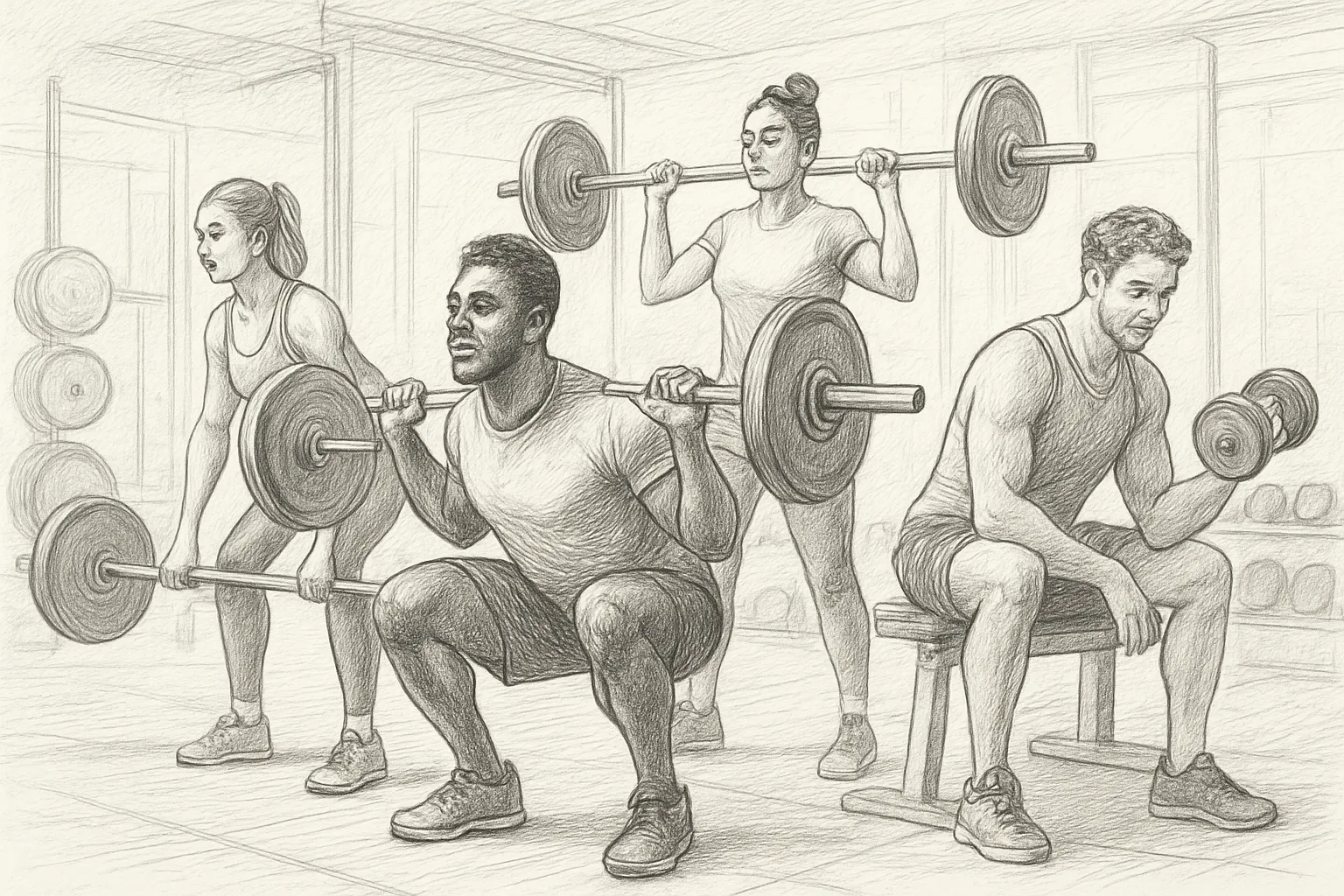
Starting strength training can be exciting but also a bit confusing with so many myths floating around. Whether you’re new to the gym or exercising at home, it’s helpful to separate fact from fiction to build confidence and create lasting habits. Let’s explore some common myths about strength training and how you can begin your journey safely and effectively.
Common Strength Training Myths
Myth 1: Strength training makes you bulky
This is one of the most common concerns, especially among women. The truth is that building significant muscle bulk takes a lot of time, very specific training, and often particular nutrition. Strength training helps tone muscles, improve posture, and increase metabolism without automatically making you bulky.
Myth 2: You need heavy weights to get results
While lifting heavier weights can build strength, beginners don’t need to start with heavy loads. Using lighter weights or bodyweight exercises with proper form can effectively improve muscle strength and endurance. Progressively increasing resistance over time is the key, not starting too heavy.
Myth 3: Strength training is unsafe for beginners
Like any activity, safety depends on how you approach it. Beginners who focus on learning correct technique, start with manageable weights, and progress gradually can train safely. If unsure, seeking guidance from a qualified instructor can help build confidence.
Myth 4: Cardio is enough for fitness; strength training isn’t necessary
Cardiovascular exercise is important, but strength training complements it by building muscle, improving bone density, and supporting joint health. Combining both types of exercise leads to a balanced, healthier body.
Myth 5: You need to spend hours in the gym
Effective strength training doesn’t require long sessions. Even 20 to 30 minutes, two or three times a week, can make a significant difference. Consistency and quality matter more than quantity.
How to Get Started with Strength Training
Here are some simple steps to begin strength training in a way that’s safe, enjoyable, and sustainable.
- Set realistic goals. Think about what you want to achieve, such as improving muscle tone, boosting energy, or enhancing overall health. Clear goals help keep you motivated.
- Learn proper technique. Use online tutorials from reputable sources or consider a session with a personal trainer to understand correct form. This reduces injury risk and improves effectiveness.
- Start with bodyweight exercises. Movements like squats, lunges, push-ups, and planks build foundational strength without equipment.
- Use light weights or resistance bands. These tools add challenge and variety as you progress, allowing gradual strength gains.
- Establish a routine. Aim for two to three sessions per week, giving your muscles time to recover between workouts.
- Focus on all major muscle groups. Include exercises that target legs, back, chest, arms, shoulders, and core for balanced strength.
- Listen to your body. Mild muscle soreness is normal, but sharp pain is not. Rest or adjust your routine if needed.
- Keep track of progress. Note the weights or repetitions you complete to celebrate improvements and plan gradual increases.
Sustainable Habits for Long-Term Success
Building strength is a journey, and creating habits that last is more important than quick fixes.
- Be patient. Strength gains take time, so focus on consistency rather than speed.
- Mix it up. Vary your exercises and routines to stay engaged and work muscles differently.
- Include rest days. Recovery is essential for muscle repair and growth.
- Eat a balanced diet. Nourish your body with enough protein, healthy fats, and carbohydrates to support your activity.
- Stay hydrated. Drinking water supports overall health and exercise performance.
- Set mini-goals. Celebrate small achievements to maintain motivation.
- Find a workout buddy. Exercising with a friend can make training more enjoyable and keep you accountable.
“Strength does not come from physical capacity. It comes from an indomitable will.”
Mahatma Gandhi
Conclusion
Strength training offers many benefits beyond muscle building, including improved health, confidence, and wellbeing. By ignoring common myths and following simple, sustainable steps, beginners can safely build strength and enjoy their fitness journey. Remember, it’s not about how much you lift but how consistently and mindfully you train. Start small, be patient, and celebrate every step forward.
This article provides general educational information only and is not a substitute for professional medical advice. Always consult a qualified healthcare professional for personal guidance.